
Donald Trump a dit jeudi 22 janvier qu’il lancerait de «grosses représailles» si les pays européens commençaient à vendre des titres de dette américaine. This wasn’t just another political headline, it was a direct threat to the foundation of how France and Europe finance their savings. The U.S. president’s warning exposes a uncomfortable truth: America may be quietly pursuing a strategy to inflate away its $38 trillion debt burden, and French investors are sitting ducks.
The $38 Trillion Question No One Wants to Answer
The math is brutally simple. When you owe $38,000,000,000,000 (that’s 38 trillion dollars) and your currency is the world’s reserve money, you have two choices: spend the next century raising taxes and cutting programs, or let inflation melt your debt away at 3-4% per year while calling it “monetary policy.”
Many economists argue the U.S. has already chosen door number two. The “exorbitant privilege” (privilège exorbitant) that former French President Valéry Giscard d’Estaing complained about in the 1960s, where America can print the world’s money, has evolved into something more dangerous: the ability to tax foreign creditors through currency devaluation.
For French investors holding U.S. Treasuries in their assurance-vie (life insurance contracts) or pension funds, this means your “safe” dollar assets are silently bleeding value. A 20% drop in the dollar’s purchasing power against real goods wipes out $7.6 trillion in real debt obligations. Conveniently, most of that loss is absorbed by foreigners, including you.
Europe’s Accidental Hostage Situation
Here’s where it gets personal for France. European institutions and investors hold roughly 40% of foreign-owned U.S. debt. The UK leads with $888 billion, but France sits in fourth place with $376 billion, mostly tucked away in the portfolios of assureurs (insurance companies), caisses de retraite (pension funds), and asset managers.
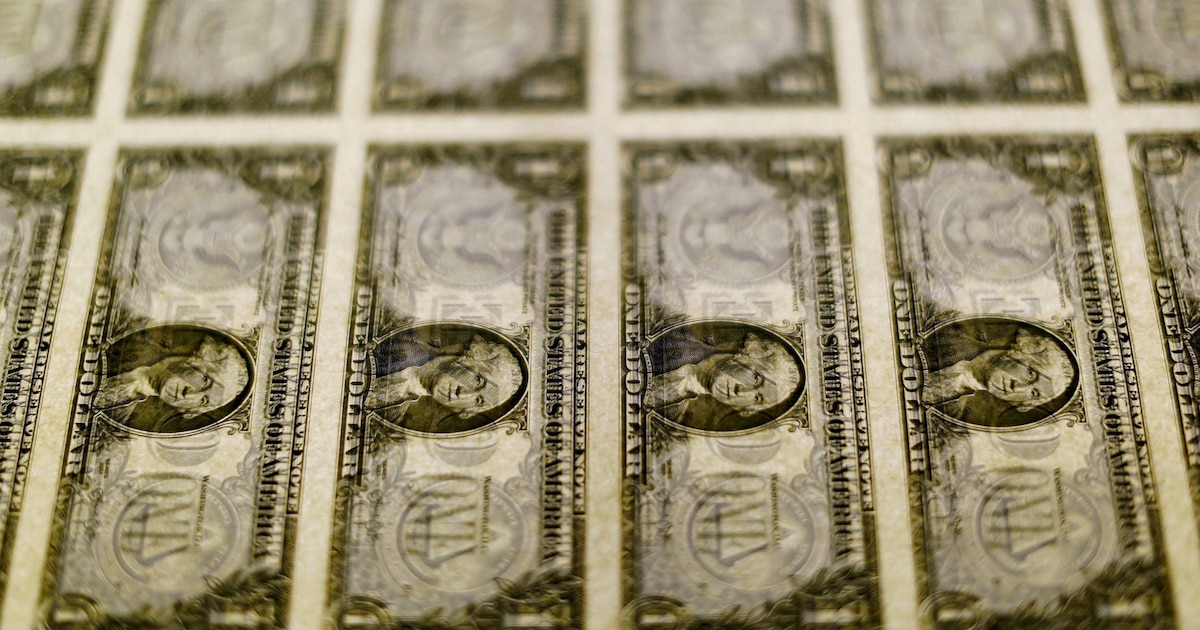
These aren’t just numbers on a spreadsheet. When the dollar weakens, your fonds en euros (euro-denominated funds) that hold U.S. bonds lose value in real terms. Alecta, Sweden’s largest pension fund, already sold most of its U.S. Treasuries, citing “loss of confidence” and “less predictability.” Danish pension funds followed suit, dumping half their holdings.
But French institutional investors face a prisoner’s dilemma. Sell too aggressively, and you trigger Trump’s “grosses représailles”, potentially tariffs that would hammer French exporters. Hold on, and you watch your capital erode. As one analyst noted, the debt weapon is “difficile à actionner” (difficult to activate) because the blowback would devastate European markets too.
Why Your “Safe” Portfolio Is in the Crosshairs
The typical French prudent portfolio, heavy in obligations (bonds) and fonds euros, faces a triple threat:
-
Currency Devaluation: Dollar assets lose value in euro terms. A EUR/USD rate moving from 1.05 to 1.20 wipes 14% off unhedged U.S. bond holdings.
-
Inflation Importée: A weaker dollar raises import prices globally. Commodities, oil, metals, agricultural products, priced in dollars become more expensive, importing inflation into the Eurozone just as the European Central Bank wants to cut rates.
-
Rate Spike Risk: If foreign creditors panic and sell, U.S. rates could jump, causing bond prices to collapse. Your 10-year Treasury yielding 4.5% could lose 15-20% of its value if yields spike to 6%.
Many international residents report frustration with their conseillers en gestion de patrimoine (wealth advisors) who still recommend 40-60% bond allocations. This advice made sense when inflation was 1% and U.S. fiscal policy was responsible. Today, it could be a recipe for capital destruction.
The Asset Allocation Reckoning: What to Do Now
If the U.S. is engineering higher inflation to liquidate debt, your portfolio needs offense, not defense. Here’s how to adapt:
1. Défiscalisation Through Real Assets
Inflation hedges aren’t optional anymore, they’re essential. French investors have unique tools:
-
SCPI immobilières (real estate investment trusts): European commercial real estate offers inflation-linked rents. Top SCPIs yielded 6-8% in 2024 while maintaining occupancy. Unlike U.S. REITs, they’re held in assurance-vie wrappers for tax efficiency.
-
Or physique (Physical gold): Keep 5-10% in gold. It’s not about returns, it’s about insurance when currencies compete to devalue. Store it in a coffre (safe deposit box) or through an ETF in your PEA (Plan d’Épargne en Actions).
2. Shorten Duration or Hedge Currency
If you must hold bonds, do it intelligently:
-
Switch to comptes à terme (term deposits) at 3-3.5% guaranteed for 2-3 years. You lock in rates before they fall and avoid duration risk.
-
Use ETF couverts (hedged ETFs) for any U.S. equity exposure. The MSCI World ETF in euros (EUR hedged) protects against dollar devaluation while keeping equity upside.
3. Pivot to “Strategic” Equity Themes
The old 60/40 portfolio is dead. Replace it with:
-
Souveraineté économique: European defense (Thales, Airbus), reindustrialization, and critical materials. These benefit from deglobalization and government spending.
-
Transition énergétique: Infrastructure and renewables that have inflation-linked revenues.
-
IA productive: Not speculative tech, but companies selling picks and shovels for AI adoption, semiconductors, data centers, cybersecurity.
4. Exploit French Fiscal Niches
The French tax system offers shelter from imported inflation:
-
Assurance-vie: Hold inflation-sensitive assets in contracts beyond 8 years. Withdrawals get a €4,600 annual abattement (allowance) per person, dramatically cutting tax on gains.
-
PER (Plan Épargne Retraite): For high earners facing 41-45% marginal rates, the upfront déduction fiscale (tax deduction) is a 41-45% immediate return that compounds for decades.
-
PEA: Keep European equities in your PEA for zero tax on gains after 5 years. Perfect for eurozone companies that benefit from dollar weakness.
The Geopolitical Tightrope
Trump’s threat of “grosses représailles” isn’t empty. If European funds coordinate Treasury sales, the U.S. could retaliate with tariffs on French wine, luxury goods, or Airbus aircraft. This would hurt European exporters and potentially trigger a recession.
But the alternative, letting the U.S. inflate away its debt, means accepting a permanent wealth transfer from European savers to the American government. As one commentator noted, “la dette américaine est avant tout une dette domestique” (U.S. debt is primarily domestic), but foreigners own enough of it to fund a significant portion of America’s social programs.
The irony? French investors funding U.S. deficits through their pension contributions while Macron cuts French pensions for “solvency” reasons.
What This Means for Your Next Réunion with Your Banquier
Your next meeting with your bank advisor needs to be different. Don’t accept generic allocation models. Ask specifically:
- “Quelle est mon exposition à la dette américaine non couverte?” (What’s my unhedged U.S. debt exposure?)
- “Comment mon portefeuille est-il protégé contre l’inflation importée?” (How is my portfolio protected against imported inflation?)
- “Quelle part est en actifs réels indexés sur l’inflation?” (What portion is in inflation-indexed real assets?)
If they can’t answer, find a new advisor. The investor portfolio strategy under macroeconomic stress requires specialized knowledge, not cookie-cutter models.
The Bottom Line: Act Before the Stampede
The Swedish and Danish pension funds that sold U.S. Treasuries early will look prescient. French institutions, constrained by bureaucracy and political pressure, will likely move slower. This creates a window for individual investors to front-run them.
You don’t need to bet against America. But you must stop letting your savings fund America’s debt liquidation strategy. Shift 20-30% of traditional bond allocations into:
– European real estate via SCPI
– Gold or commodities
– Currency-hedged global equities
– Short-duration guaranteed deposits
The U.S. may succeed in inflating away its debt. Your job is to make sure you’re not the one paying for it.