Buy a studio apartment in Milan. List it on Airbnb. Watch the euros roll in while you sip espresso on a terrace somewhere. That was the plan, right?
The reality hitting Italian property owners in 2026 looks more like this: you’re answering WhatsApp messages at 23:00 because a guest from Seattle can’t find the light switch, arguing with your cleaner about why the windows were left open in January, and calculating whether that 26% Cedolare Secca leaves you enough to fix the plumbing that guests managed to destroy in three months. You’re not an investor. You’re the night manager of a very small, very demanding hotel, and you’re earning less per hour than a Deliveroo rider.
The Math That Destroys the Myth
Let’s talk numbers without the property-course fluff. One host in Valle d’Aosta recently documented their actual returns on a €155,000 apartment purchased specifically for affitti brevi. The property was a bargain, real market value closer to €220,000, which should skew returns upward. After 18 months of operation, the net ROI sits around 7.5%, dropping to roughly 5.8% when calculated against true market value.
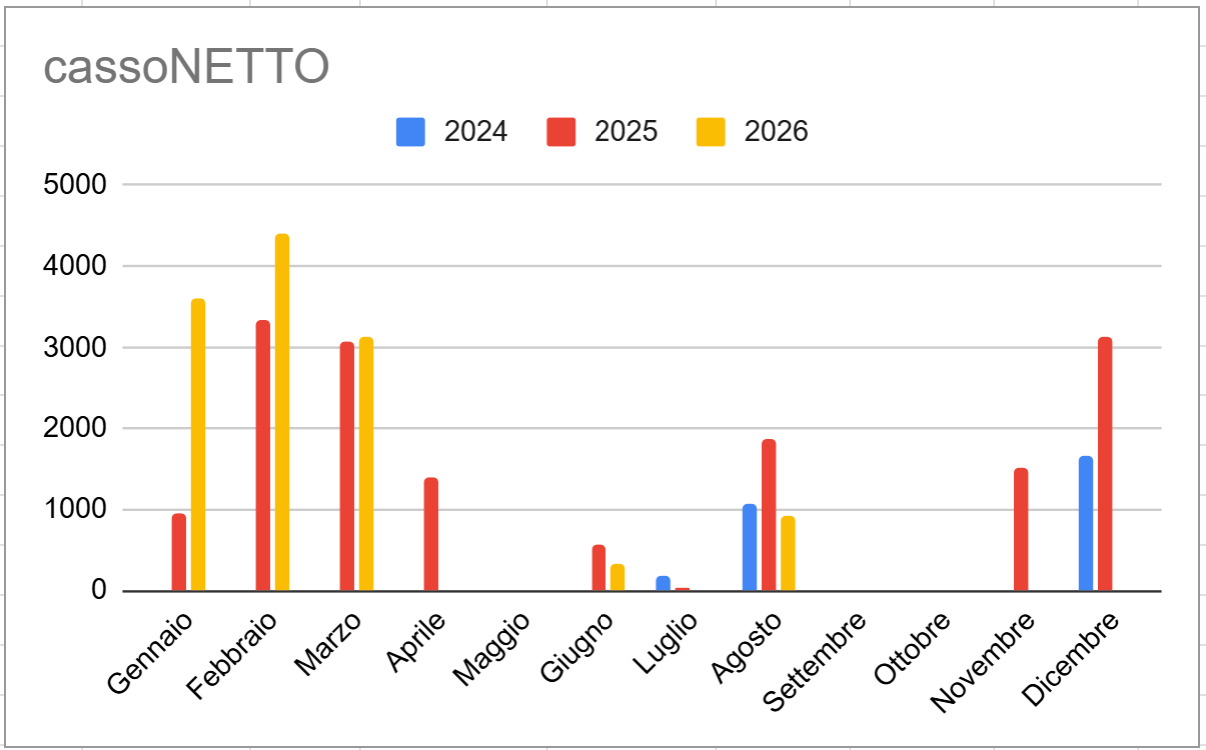
The breakdown is brutal: €15,929 in gross annual revenue, minus €4,300 in fixed costs. But the real hemorrhaging happens invisibly. First, the platforms take their cut, around 18.5% in commissions to Booking.com or Airbnb. Then the Cedolare Secca devours 21% of the gross, not net. Cleaning runs €130 per stay, which annihilates margins on two-night bookings. Add the IMU at €700 annually, condominium fees at €3,000, and utilities that guests treat as an all-you-can-consume buffet, heating blasting while windows stay open because “it’s included in the price.”
That leaves about €11,600 annually. Sounds decent until you calculate the labor: coordinating check-ins, managing pricing algorithms, registering every guest with the Questura for the CIR, and handling the “urgent” complaints. Many hosts report spending 2-3 hours weekly on management alone. At that rate, your hourly wage hovers around €12, before accounting for the stress of being permanently on-call.
You’re Not Building Equity, You’re Accelerating Decay
The standard pitch compares short-term rentals to long-term leases, emphasizing higher nightly rates. What it ignores is velocity of destruction. A long-term tenant lives in your property, a tourist consumes it.
In three years of affitti brevi, an apartment accumulates wear that would normally take twenty years to develop. Suitcases scrape walls, drains clog with unmentionables, and IKEA furniture begs for mercy. That €11,600 annual profit? It frequently evaporates into renovation costs the moment you try to sell or convert back to residential use. As one property manager noted while discussing the market, the lack of regulation is creating structural distortions, not wealth.
The Regulatory Guillotine
Italy’s municipalities are waking up to the fact that short-term rentals are hollowing out residential neighborhoods. Rome is already correcting course after the Jubilee-related euphoria, with many owners returning properties to the long-term market as regulations tighten. Naples currently charges a tassa di soggiorno of €4.50 to €5 per night, levels matching major European capitals, without delivering equivalent services.
You’re not just battling algorithms, you’re gambling on politics. Your “investment” depends entirely on municipal forbearance and platform stability. One new mayor, one algorithm change, one requirement for additional permits, and your cash flow model collapses. The Confedilizia updates from February 2026 highlight ongoing fiscal changes that continue shifting the burden onto small landlords.
The True Opportunity Cost
The most damning calculation isn’t about property damage or platform fees, it’s about your time and capital. That €155,000 invested in a global ETF would generate comparable returns without the 2 AM phone calls about Wi-Fi passwords. You could maintain liquidity instead of watching your capital get locked into illiquid brick and mortar with high transaction costs (notary fees, agency commissions, taxes on sale).
When you factor in the hours spent managing cleaning crews, explaining door handles to confused tourists, and praying that this week’s guests don’t smoke in the bathroom, the hourly rate drops below minimum wage. You’ve purchased the right to be underpaid hospitality staff, not the freedom of passive income.
The Exit Strategy Reality
Many hosts entered the market thinking they could “scale” by hiring managers. But management companies take 20-30% of revenue, erasing already thin margins. Others plan to sell the “business” with the property, but buyers are increasingly sophisticated, asking to see actual net returns after taxes and maintenance, not gross revenue figures.
The uncomfortable truth spreading through Italian personal finance communities is that short-term rentals aren’t replacing traditional investments, they’re replacing traditional jobs, just with worse hours and higher stress. You wanted passive income. You got an unpaid internship in hotel management with six-figure capital at risk.
If you want to invest in Italy, buy the apartment, sign a 4+4 long-term lease (four years renewable for another four), collect reduced rent with minimal hassle, and actually go to that beach you keep posting about on Instagram. If you want to work in hospitality, open a real hotel with economies of scale. But stop calling a job that requires Excel spreadsheets, crisis management, and manual labor an “investment strategy.” Your time, and your sanity, deserve better.