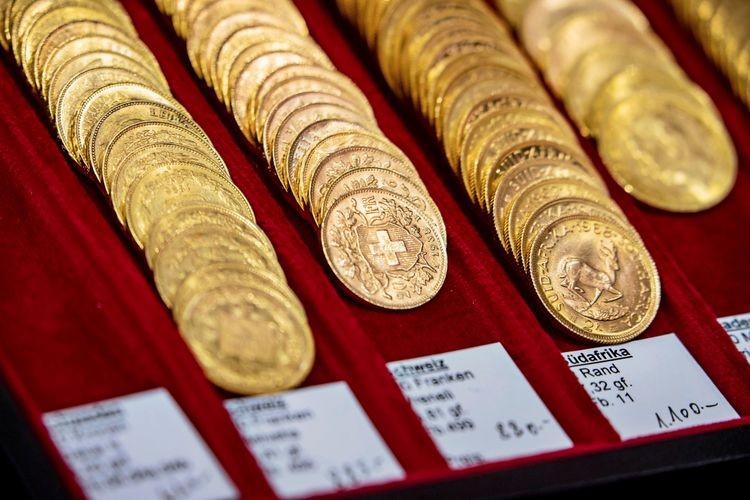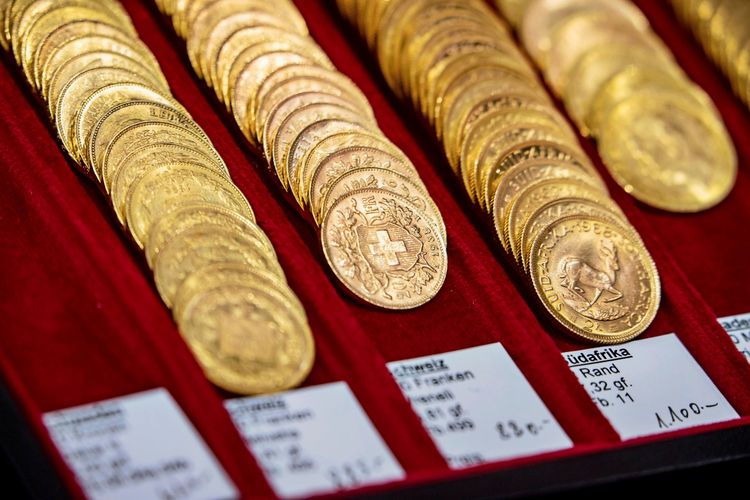
That sinking feeling when gold hits another record high and your portfolio holds only a modest Austrian real estate fund and a decades-old Bausparen (building savings) contract. The Der Standard headline blares: "Kein Gold oder Bitcoin gekauft? Vielleicht war das doch kein Fehler" (Didn’t buy gold or Bitcoin? Maybe that wasn’t a mistake after all). But the comment section tells a different story, one of quiet regret and defensive justification.
The Media Machine That Feeds Your Regret
Financial media in Austria and Germany has mastered the art of the regret-inducing headline. When gold climbed to new heights in early 2025, articles flooded the zone with retrospective calculations: If you had invested €10,000 in 2020 at $1,500 per ounce, you’d have… The subtext is clear, you missed out, you conservative fool.
The recent Der Standard piece by Eric Frey attempts to soothe this pain, pointing out that gold’s volatility cuts both ways. Investors who jumped in during peak euphoria last week suffered immediate losses. The article notes that Bitcoin, while up 1,800% over ten years from $450 to nearly $80,000, has shed 40% since November. The message: speculation is dangerous.
Yet the psychological damage is already done. Many Austrian investors report feeling caught between two incompatible worldviews: the traditional Finanzberater (financial advisor) wisdom of slow-and-steady Bausparen and the screaming headlines about digital gold making overnight millionaires.
When Conservative Investing Becomes a Psychological Burden
The Austrian investment psyche runs deep with risk aversion. Generations have been taught that real wealth comes from Sparbuch (savings account) discipline, government bonds, and eventually, property purchased through Bausparen. This isn’t just strategy, it’s cultural identity.
But identity becomes a burden when you’re watching global asset prices from the sidelines. Forum discussions reveal the internal conflict: investors mock WallStreetBets traders while secretly envying their gains. The prevailing sentiment among international residents in Austria is that local investment options feel restrictive compared to the digital asset revolution happening elsewhere.
This creates a unique form of decision fatigue. Austrian investors face not just market complexity but a values conflict. Should you honor your financial upbringing or chase performance? The paradox of choice becomes more acute when each option represents a different version of yourself.
The Numbers That Actually Matter
Let’s cut through the noise with concrete data. Gold’s recent trajectory shows why regret is often based on incomplete information:
- 2020 entry: ~$1,500 per ounce
- 2025 peak: Over $5,000 per ounce
- Current correction: Down significantly from highs, wiping out late entrants’ gains
Bitcoin tells a similar story of volatility:
– 2015 price: ~$450
– 2025 peak: ~$90,000
– Current level: ~$78,500 (down 40% from November highs)
The math is brutal for those who bought at the top. As Frey correctly points out, gold and Bitcoin are "reines Vabanquespiel" (pure gambling) compared to a diversified stock portfolio. But this rational analysis does little to soothe the emotional pain of watching others profit.
How Austrian Investors Are Actually Reacting
Rather than chasing crypto, many Austrian investors are channeling their anxiety into geopolitical portfolio shifts. The current US political climate has triggered a fascinating reallocation trend. As discussed in recent analyses of Austrian investor behavior, some are dumping US ETFs entirely, citing the feeling that they’re "feeding Europe’s enemy." This emotional investing driven by geopolitical fears often leads to reactive decisions that may harm long-term returns more than simply missing a gold rally.
The irony is palpable: investors avoid Bitcoin as too volatile, then make drastic geopolitical bets based on headline anxiety. Both behaviors stem from the same emotional root, fear of missing out on the "right" narrative.
The Hidden Cost of Playing It Safe
Here’s what the headlines don’t calculate: the opportunity cost of excessive caution. While Austrian investors debate whether to allocate 2% to gold, they often overlook the drag of high-fee traditional products. That conservative portfolio recommended by your Sparkasse (savings bank) Anlageberater might cost you 1.5% annually in fees, guaranteed losses that compound dramatically over decades.
The long-term cost of emotionally driven or passive investment decisions often exceeds the potential gains from a small crypto allocation. Your grandmother’s €170,000 portfolio, sitting in expensive active funds, bleeds money to bank pensions while she worries about Bitcoin’s volatility.
This creates a psychological trap: the "safe" choice feels comfortable but may be mathematically inferior to taking calculated risks. The regret over missed gold gains might pale compared to the silent wealth destruction of high fees and inflation.
Decision Paralysis in the Austrian Context
The Watson article on decision fatigue offers crucial insight for investors. When faced with too many options, Bausparen, Aktienfonds (stock funds), Gold, Bitcoin, Immobilien (real estate), the brain defaults to inaction or the familiar path. For Austrians, that path is traditional and property-heavy.
But there’s a darker side: "Entscheidungsmüdigkeit" (decision fatigue) leads to worse decisions later. The investor who spends years avoiding crypto decisions may suddenly YOLO into a meme coin at the worst possible moment, exhausted by constant FOMO.
The solution isn’t more choices, it’s better systems. Austrian investors need structured routines that automate good decisions, much like a Bausparplan (building savings plan) automates property savings.
Building a System That Works for Austrian Residents
Forget timing gold or Bitcoin. Focus on building an investment system that acknowledges Austrian realities:
1. Tax-Advantaged First
Max out your Austrian pension contributions and leverage any employer matching before speculating. The tax savings alone beat most crypto gains.
2. Diversified Core
Build a base with low-cost ETFs covering global markets. The research shows that a balanced All-World portfolio with small allocations to alternative assets beats speculation.
3. Play Money Allocation
If you must scratch the crypto/gold itch, limit it to 2-5% of your portfolio. This satisfies curiosity without risking your financial foundation. Many Austrian investors use this "Vabanquespiel" (gambling money) approach psychologically, it acknowledges the fun without the danger.
4. Automate Everything
Set up automatic monthly investments. This removes the decision fatigue and prevents emotional timing mistakes. Your Bausparplan works because it’s automatic, apply the same principle to your investment portfolio.
5. Acknowledge the Emotional Reality
It’s okay to feel FOMO. Recognize it, discuss it in forums (without making investment decisions based on sentiment), and remember that media headlines are designed to trigger exactly this response.
The Bottom Line: Regret Is Expensive, But So Is Recklessness
The current gold correction and Bitcoin stagnation validate conservative investors, for now. But the long-term trend shows that avoiding all risk carries its own costs, especially in Austria’s low-interest environment.
The psychological burden of missing out is real and measurable. It leads to poor later decisions, portfolio churn, and anxiety that undermines financial well-being. But the answer isn’t swinging from conservative to speculative extremes.
Instead, Austrian investors need structured exposure to alternative assets within a disciplined system. This means:
– Keeping your Bausparen for property goals
– Allocating 80-90% to diversified, low-cost global investments
– Reserving 5-10% for "psychological satisfaction" assets like gold or crypto
– Automating all of the above
The emotional cost of missing out only becomes financially destructive when it drives you to abandon strategy for speculation. In Austria’s unique financial ecosystem, where tradition meets global markets, the winners are those who respect both caution and calculated risk.