Many professionals in France experience a particular kind of sticker shock when they first compare their payslip to peers in Germany, the UK, or Switzerland. A €60,000 gross salary (salaire brut) sounds respectable until you see how much actually lands in your bank account. Online discussions among international residents frequently highlight this frustration, with some claiming they could earn the same gross amount elsewhere and take home thousands more per year.
The French Salary Iceberg: What You See vs. What You Get
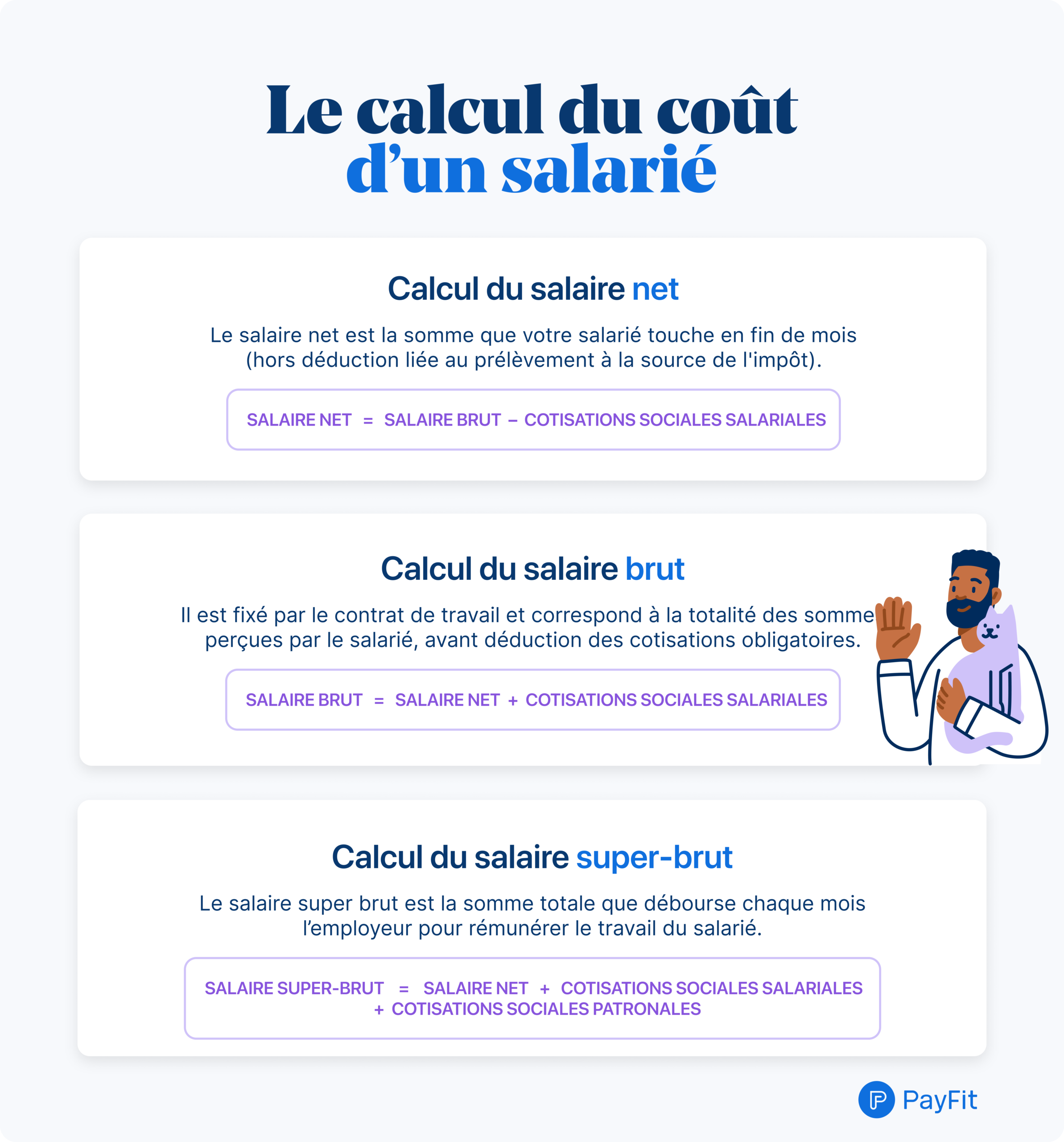
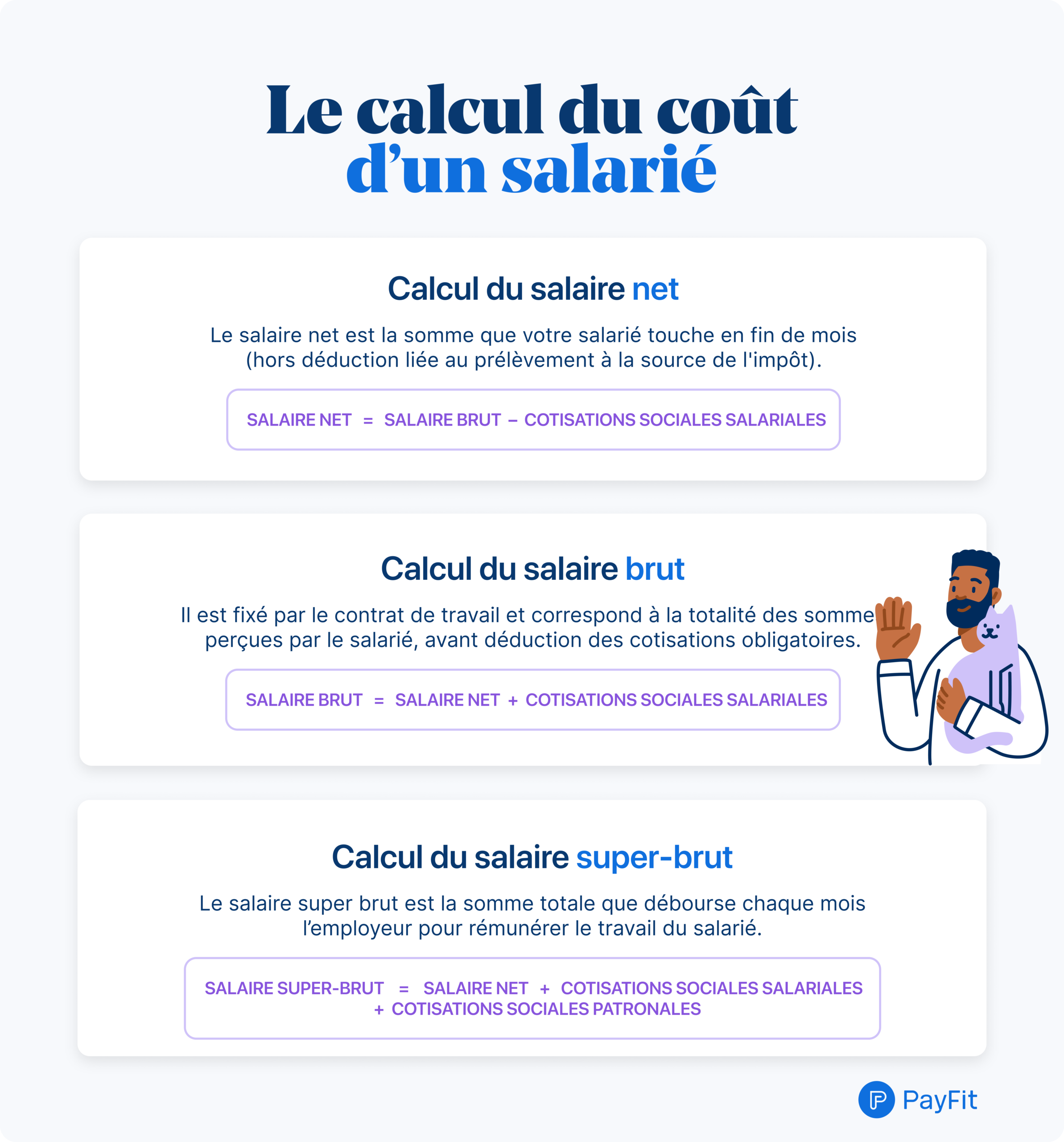
In France, salary structure operates like an iceberg. The visible tip is your gross salary (salaire brut), but what matters for your savings is the submerged part: your net pay (salaire net) after social contributions.
The Three Layers of French Compensation
Gross Salary (Salaire Brut): This is your contractual salary before any deductions. For a €60,000 annual brut, you might expect reasonable savings capacity.
Net Pay (Salaire Net): After employee social contributions (cotisations sociales salariales) of approximately 22%, your €60,000 becomes around €46,800. These contributions fund health insurance, unemployment benefits, and retirement.
Super-Gross (Salaire Super-Brut): This is the total cost to your employer. With employer contributions (cotisations sociales patronales) ranging from 25% to 42%, that €60,000 salary actually costs your company between €75,000 and €85,000. Some calculations even push this higher.
The Comparison Trap: Apples, Oranges, and Payslips
The controversy begins with methodology. Many online comparisons use gross salary as the baseline, but this creates a distorted picture. As HR professionals point out, the only fair comparison starts from the same employer cost (super-brut). If a company budgets €80,000 for a position, what matters is how much the employee actually receives after all deductions.
Why France Looks Worse on Paper
France’s employer contribution rates are among Europe’s highest. While this funds comprehensive social protection, it means that for the same total employment cost, the French employee receives a lower net salary than counterparts in countries with lower social charges.
A commenter on a recent thread noted that for a €60,000 gross salary, the total employer cost in France approaches €85,000-€95,000, while in the UK it might be closer to €67,000. The difference isn’t in the employee’s skill or value, but in how the compensation pie gets sliced.
According to PayFit’s detailed breakdown, employer contributions include health insurance (13%), unemployment insurance (4%), family allowances (5.25%), and retirement contributions, plus additional levies. These add up quickly, making French employment expensive for companies and leaving less for workers.
The Tax Layer: A Separate Bite
Here’s where it gets more complicated. Social contributions are just the first deduction. Then comes income tax (impôt sur le revenu), calculated through a progressive system with five brackets ranging from 0% to 45%. For a single person with €46,800 net income, expect to pay several thousand more in annual income tax, further reducing disposable income.
The French tax authority explains that for 2025 revenues, the brackets are:
– 0% up to €11,497
– 11% from €11,498 to €29,315
– 30% from €29,316 to €83,823
– 41% from €83,824 to €180,294
– 45% above €180,295
The key point is this: social contributions and income tax are separate systems, unlike countries where they’re combined. This double-layer deduction significantly impacts savings capacity.
The Savings Math: What You’re Actually Missing
Let’s run the numbers for our €60,000 example:
- Gross: €60,000
- Net after social contributions: ~€46,800
- After income tax: ~€40,000-€42,000 (depending on personal situation)
Compare this to a UK employee where National Insurance and income tax might leave €44,000+ from the same gross amount. That’s €2,000-€4,000 less per year to save or invest, potentially €100,000+ over a career when compounded.
Beyond the Numbers: The Value Question
The counterargument, frequently raised in these debates, focuses on what those contributions buy: healthcare without surprise bills, robust unemployment benefits, and a pension system. The question becomes whether you trust the system to deliver value.
Recent discussions highlight concerns about the pension system’s sustainability. With contribution rates around €1,221 monthly for a €4,355 gross salary, younger workers question whether they’ll receive proportional benefits given demographic shifts.
As one financial analyst pointed out, at current contribution rates, someone earning €4,355 gross throughout their career might expect €2,500-€2,800 in retirement benefits, but only if enough workers continue funding the system.
Practical Strategies for French Residents
You can’t change the system overnight, but you can optimize within it:
- 1. Negotiate on Net, Not Gross: When discussing salary with employers, focus on net pay (salaire net) rather than gross. Employers understand the conversion and can offer clearer comparisons.
- 2. Use Tax-Advantaged Accounts: France offers specific savings vehicles like the Livret A (tax-free savings account), PEA (stock savings plan), and assurance-vie (life insurance/investment product) that provide tax advantages to boost returns.
- 3. Factor in Cost of Living: Paris rents exceed those in many European cities, but other French cities offer better value. Your €40,000 net in Lyon goes further than €44,000 in London.
- 4. Understand Your Payslip: Use official tools like the URSSAF simulator to verify calculations and understand exactly where your money goes. Many international residents report that understanding the breakdown reduces frustration, even if it doesn’t increase the amount.
The Bottom Line: Reality Check
The data confirms France’s labor costs are among Europe’s highest, directly impacting take-home pay and savings potential. For a €60,000 gross salary, you might take home €4,000-€5,000 less annually than peers in Germany or the UK.
However, the comparison isn’t purely financial. The value of France’s social safety net varies by individual circumstances. Families with children often benefit more from family allowances. Those with health conditions appreciate the healthcare system. Young, healthy singles focused on aggressive savings goals feel the pinch most acutely.
The controversy isn’t whether France’s system is expensive, it clearly is. The real debate is whether it’s worth the cost, and that answer depends entirely on your personal situation, career stage, and financial priorities. Before making career decisions based purely on net salary, calculate your actual savings potential after accounting for local costs, benefits, and your long-term financial strategy.