The difference between a 3% annual raise and a 60% salary jump in two years isn’t just performance, it’s picking the right battlefield. While most career advice focuses on polishing your CV or mastering interview questions, a more strategic lever sits in plain sight: your employer’s net profit margin.
This isn’t theoretical. One finance professional in France documented moving from a public university background to a 60% salary increase in two years, with another 40% bump on the horizon. Their secret? They stopped applying randomly and started hunting for companies with financial breathing room.
The Math Your Manager Won’t Tell You
Net profit margin, what remains after all expenses, taxes, and costs, is the real indicator of how much room a company has to reward you. A business running on 5% margins (typical for French restaurants, according to regional entrepreneur data) has far less flexibility than a software firm enjoying 30%+ margins.

Consider the restaurant industry in France: even successful establishments like those run by entrepreneurs in Ajaccio operate on marges nettes (net margins) of just 5-15%. When you ask for a €10,000 raise there, you’re asking them to find 10,000 extra euros from a tiny leftover pool. In a high-margin sector like luxury goods or specialized tech, that same request represents a fraction of their financial cushion.
The strategy is blunt: faites la liste de toutes les entreprises de votre secteur, ouvrez Zonebourse et choisissez les 2 avec les plus fortes marges nettes (make a list of all companies in your sector, open Zonebourse and pick the 2 with the highest net margins). This isn’t about being picky, it’s about not wasting your talent on companies that literally cannot afford to pay you more.
How to Read French Corporate Financial Health
Finding these companies requires more than glancing at revenue figures. Here’s the practical approach:
-
Use French financial portals: Zonebourse.com provides free access to financial statements of listed companies. For private companies, explore their bilans déposés au greffe (financial statements filed with the commercial court) through infogreffe.fr.
-
Focus on sectors with natural advantages: French luxury (LVMH, Kering), aerospace (Airbus), pharmaceuticals (Sanofi), and specialized software consistently show margins above 20%. Avoid low-margin sectors like mass retail (Carrefour), traditional automotive (Renault, Stellantis), or basic manufacturing.
-
Size matters, but differently than you think: A 50-person company with 35% margins often has more salary flexibility than a 5,000-person corporation with 8% margins. The small company isn’t constrained by rigid grilles salariales (salary grids) that lock you into predetermined ranges.
The environment where salary discussions happen matters less than the company’s financial fundamentals.
The Counterintuitive Reality of “Indispensable”
Many professionals believe they must become irreplaceable to command higher salaries. The Reddit wisdom suggests: “ne laissez pas vos collègues acquérir les compétences de vos projets” (don’t let colleagues acquire your project skills). But this creates a trap.
As one experienced manager countered: “Les cimetières sont remplis de gens indispensables” (Cemeteries are full of indispensable people). The comment highlights a harsh truth, making yourself the only person who understands a system often blocks your internal mobility and makes you a flight risk managers won’t promote.
Better approach: Document everything. The original guide suggests maintaining a running log of accomplishments, problems solved, and measurable impacts. This creates leverage without creating a single point of failure. When you can show impacts chiffrés (quantified impacts) of €500K in cost savings or €2M in new revenue, you’re negotiating from a position of proven value, not perceived indispensability.
Navigating French Employment Realities
The strategy must adapt to France’s specific labor landscape. During your période d’essai (trial period), the rules are simple: say yes to everything, take minimal leave, and build capital. One commenter warned: “Tant que vous êtes en période d’essai, le ‘Non’ n’est pas une réponse valable” (As long as you’re in the trial period, “No” is not a valid answer).
After securing your CDI (permanent contract), the dynamic shifts. You can afford selective “no’s”, but limit them to about once per quarter. This balance shows you’re strategic, not difficult.
The convention collective (collective bargaining agreement) covering your role may establish salary floors and ceilings. High-margin companies often have more flexibility to exceed these frameworks through primes (bonuses), intéressement (profit-sharing), or stock options. During negotiations, ask specifically: “Quelle marge de manœuvre avez-vous au-delà de la grille?” (What leeway do you have beyond the salary grid?)
The External Offer Game (Joué Correctement)
Keeping an updated CV and interviewing regularly, even when happy, isn’t disloyal, it’s market intelligence. The goal isn’t necessarily to leave, but to know your valeur marchande (market value).
The sophisticated approach: accumulate 2-3 genuine offers annually. When your annual review arrives, frame it as loyalty despite opportunity: “On m’a contacté plusieurs fois cette année. J’ai des propositions que je peux vous montrer, mais je me plais ici. Cependant, ça devient difficile à ignorer” (I was contacted several times this year. I have offers I can show you, but I’m happy here. However, it’s becoming difficult to ignore).
This works best in high-margin companies precisely because they have the financial capacity to match or exceed offers. In low-margin businesses, your manager’s hands are tied regardless of how much they value you.
When High Margins Don’t Translate to High Salaries
Not every profitable company shares the wealth. During interviews, probe their compensation philosophy:
- Ask about répartition de la valeur ajoutée (distribution of added value) between shareholders, reinvestment, and employees
- Inquire about typical promotion timelines and salary increase percentages
- Request examples of how they rewarded team members who delivered exceptional results
A company with 30% margins that distributes 28% to shareholders and reinvests 1.5% in talent is worse than a company with 15% margins that allocates 5% to employee development.
The French Tax Angle
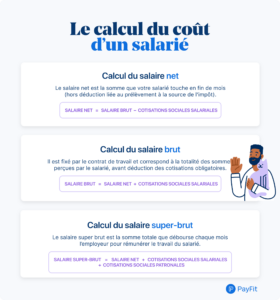
Higher salaries trigger higher cotisations sociales (social contributions) and impôt sur le revenu (income tax). Before celebrating a €20,000 raise, understand your taux marginal d’imposition (marginal tax rate).
Consider negotiating avantages en nature (benefits in kind) like company cars, tickets restaurant (meal vouchers), or supplementary health insurance, which can be more tax-efficient than pure salary. High-margin companies typically offer richer benefit packages because these costs are easier to absorb.
Understanding the tax implications of salary jumps is crucial in France’s progressive system.
Putting It All Together: Your Action Plan
-
This week: Identify 10 companies in your sector. Use Zonebourse to find their net margins. Eliminate any below 15%.
-
This month: For high-margin targets, research their culture d’entreprise (company culture) around compensation. Use LinkedIn to connect with current employees and ask discreet questions about salary progression.
-
Continuously: Maintain a “wins document” with quantified impacts. Update it weekly. This becomes your negotiation bible.
-
Quarterly: Apply to one role outside your company, even casually. Track the salary offers. This is your market thermometer.
-
Annually: During reviews, present your wins document first. Only mention external offers if negotiations stall. Ask for 5% more than your target to create negotiation space.

The difference between stagnation and that 60% jump isn’t working 60% harder, it’s spending 60% more time choosing where to work. In France’s structured labor market, choisir son entreprise (choosing one’s company) based on financial health isn’t just smart, it’s the only strategy that gives your ambition room to actually pay off.