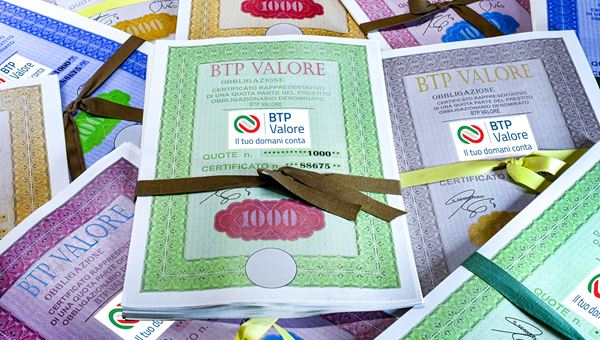
The Italian government has turned its debt issuance into a musical. As the seventh tranche of BTP Valore (Government Bonds with Value) hit the market this week, the Ministry of Economy and Finance (MEF) launched a campaign centered on the slogan “BTP piace” (BTP likes/you like BTP), complete with an “orecchiabile” (catchy) jingle timed to coincide with the Sanremo Music Festival. The result isn’t the viral engagement the Treasury hoped for. Instead, the campaign has become a case study in how not to speak to the next generation of investors.
The Sanremo Strategy: When Treasury Bonds Try to Trend
The marketing playbook reads like a desperate attempt to make sovereign debt sexy. Radio spots announce the bond’s return “like the latest hit from the Sanremo festival”, while television commercials feature everyday Italians dancing through domestic routines, watering plants, organizing closets, while whistling the maddeningly simple hook. The MEF explicitly designed this to feel less “institutional” and more accessible, hoping to expand beyond the traditional base of retirees who typically park savings in post office counters.
Federica De Giorgis, Senior Advisor at Ersel Banca Privata, noted that the ministry is deliberately pivoting toward “lighter advertising” to attract younger demographics. The logic seems sound: Italy’s retail bond market has already absorbed over €96.4 billion across six previous BTP Valore emissions, and with the country’s debt-to-GDP ratio stabilizing, the Treasury wants to deepen the relationship between households and sovereign debt.
But the execution has landed with the subtlety of a 1990s infomercial.
The Cringe Factor: Marketing to a Generation That Isn’t Listening
The backlash has been immediate and brutal. Younger investors aren’t just ignoring the campaign, they’re actively mocking it. The prevailing sentiment among financial communities suggests the advertisement manages to achieve the impossible: making government bonds seem embarrassing. One common critique notes that the spot portrays BTP Valore as instruments for “rincoglioniti” (simpletons), hardly the positioning you want when trying to attract sophisticated twenty-somethings who can spot inauthenticity from three time zones away.
The demographic reality makes this miscalculation particularly costly. Italy’s median age hovers near 49, and the “silver economy” remains the primary target for most domestic financial products. Previous BTP Valore emissions have indeed performed exceptionally well with this cohort, the third tranche alone raised €18.32 billion in March 2024. But by doubling down on boomer-centric aesthetics while claiming to pursue youth outreach, the MEF has created a product identity crisis.
The campaign’s visual language doesn’t help. Where fintech startups use sleek interfaces and crypto platforms deploy meme culture, the BTP Valore spot offers middle-aged Italians performing choreographed domestic bliss. It’s the financial equivalent of a dad joke at a nightclub.
The Product vs. The Packaging
Here’s the frustrating part: beneath the cringe-worthy marketing lies a genuinely solid retail product. The current emission offers a six-year step-up structure with guaranteed minimum rates climbing from 2.50% to 3.50%, quarterly coupon payments, and a 0.8% loyalty bonus for holders who maintain their position until maturity. The tax treatment remains favorable at 12.5%, and investments up to €50,000 are excluded from ISEE (Equivalent Economic Situation Indicator) calculations, making them attractive for families seeking nursery school subsidies or university grants.
Available through the MOT (Electronic Bond Market) of Borsa Italiana via primary dealers including Intesa Sanpaolo, UniCredit, Banco BPM, Banca Monte dei Paschi di Siena, and ICCREA Banca, these bonds offer liquidity options rare in retail fixed income. You can exit early if market conditions demand it, though you sacrifice the final bonus.
Ciro Pietroluongo, General Manager of MTS, emphasized that the timing aligns with positive rating momentum, S&P upgraded Italy’s outlook to positive in January 2026, and the BTP-Bund spread has compressed to around 60 basis points. The macro environment supports retail participation in sovereign debt.
Yet all this technical merit gets buried under the weight of the jingle.
The Generational Divide in Financial Communication
The backlash reveals a deeper dysfunction in how Italian institutions communicate with emerging investors. There’s a persistent assumption that “less boring” equals “youth-friendly”, resulting in condescending campaigns that underestimate financial literacy among younger demographics. Gen Z investors in Italy aren’t avoiding BTP Valore because they find bonds boring, they’re avoiding them because the marketing signals that these products aren’t for them.
The irony compounds when you consider that younger Italians face unprecedented housing precarity, gig economy instability, and inflation pressures, precisely the demographic that should be building conservative, tax-advantaged positions in sovereign debt. Instead, they’re turning to volatile crypto assets or simply letting cash rot in current accounts (conti correnti) out of fear and confusion, as some market observers note that Italians remain predominantly risk-averse but poorly served by traditional financial education.
The MEF’s attempt to bridge this gap with Sanremo-style earworms misunderstands the assignment. Young investors don’t need their treasury bonds to feel like pop culture, they need transparency about how these instruments fit into modern financial planning alongside student debt, irregular income streams, and delayed homeownership.
What Happens When the Music Stops
Despite the mockery, the bonds will likely sell out. The previous six emissions have proven that Italy’s aging investor base remains hungry for safe yield, and the current rate environment, while lower than the peaks of 2023, still beats most deposit accounts. The collocamento (placement) runs from March 2-6, 2026, and early closure remains possible if demand surges.
But the long-term damage to retail investor development is real. Every cringe-worthy campaign reinforces the perception that Italian finance is trapped in a time warp, incapable of speaking to anyone under 50 without resorting to patronizing theatrics. As the Treasury continues rolling out retail-targeted debt instruments, BTP Valore now represents 4% of total outstanding government bonds, alongside BTP Italia (2%) and BTP Futura (1%), the marketing strategy needs radical recalibration.
If Italy wants young people to finance its sovereign debt, it needs to respect their intelligence first. Drop the jingles. Drop the dancing. Present the math, explain the ISEE advantages, and acknowledge that this generation navigates financial complexity their parents never faced. The BTP Valore product is sound. The “BTP piace” campaign, however, is making everyone feel like they’re being asked to invest in their grandmother’s playlist.