A 24-year-old economics graduate, savvy enough to handle bank transfers daily at work, lost €10,000 in twenty minutes because his phone displayed the correct number for Trade Republic (a popular neobroker). The caller knew his name, address, and card PIN. This isn’t a story about an elderly grandparent clicking a shady link, it’s a wake-up call about how sophisticated social engineering has become in Italy’s digital banking landscape, and why your bank’s security protocols might not be as robust as you assume.
The Anatomy of a €10,000 Loss
The victim’s nightmare began with a routine notification: an unauthorized payment to “Zara” appeared on his Trade Republic app. Before he could process it, his phone rang. The caller ID showed Trade Republic’s official support number. The voice on the other end was professional, concerned, and armed with data, his full name, mobile number, residence address, and disturbingly, his card PIN.
The fake operator explained that fraudulent transactions were occurring and that urgent action was required to secure the account. Under intense psychological pressure, the victim authorized a €10,000 bonifico (bank transfer) to an IBAN (International Bank Account Number) provided by the caller, believing he was “blocking” the fraud. By the time he realized the deception and blocked his card, the money was gone. Trade Republic’s response was blunt: since he authorized the transfer with his credentials, no refund was forthcoming.
This case highlights a terrifying evolution in digital fraud. As noted by consumer protection groups like Confconsumatori, scammers now combine vishing (voice phishing) with caller ID spoofing, a technique where fraudsters manipulate phone networks to display legitimate bank numbers on your screen. When your phone shows your bank’s official number, skepticism evaporates.
Why Your Data is Already Compromised
The most unsettling aspect of this scam wasn’t the social engineering, it was the data. The fraudster knew the victim’s card PIN, a detail that shouldn’t be accessible through standard phishing. This suggests either a previous data breach, a compromised merchant database, or more alarmingly, a man-in-the-middle (MITM) attack where the victim had previously entered credentials on a cloned site.
Italian cybersecurity firm Telsy recently documented similar campaigns targeting Italian entities, including phishing operations leveraging OAuth 2.0 protocols to obtain persistent access tokens. The reality is that your personal data is likely already circulating in underground markets. When combined with AI-powered voice synthesis and psychological manipulation scripts, fraudsters don’t need to “hack” your account, they simply walk in through the front door using your own keys.
The Security Gap: When Banks Fail to Notice
Here’s where the controversy begins. Trade Republic, like many neobrokers, operates without telephone support, a detail that should have immediately flagged the call as fraudulent. Yet many traditional Italian banks with full telephone support have fallen victim to similar scams, suggesting the problem runs deeper than communication channels.
A recent court ruling reported by Gazzetta dell’Emilia established a critical precedent: a bank was forced to repay €19,900 to a victim of an almost identical scam. The court ruled that “the theft of customer codes through fraudulent techniques falls within the area of business risk”, and banks must implement controls to verify operations before executing them. Specifically, the bank failed to detect twenty rapid-fire transfers, a clear anomaly that should have triggered security protocols.
This ruling shifts the burden. Italian banks can no longer hide behind the “customer authorized it” defense when they allow obviously fraudulent patterns (like multiple rapid transfers or transfers to high-risk IBANs) to proceed without friction.
Red Flags That Save Thousands
The victim acknowledged his mental state, stressed and confused, made him vulnerable. Fraudsters exploit this deliberately. However, several technical red flags could have prevented this:
1. The OTP Trap
Confconsumatori emphasizes a crucial distinction: OTP codes (One-Time Passwords) authorize transactions, they don’t block them. If someone asks for your OTP to “stop” a fraud, they’re actually using it to execute one. No legitimate bank employee will ever ask for your OTP, PIN, or full card number over the phone.
2. The Urgency Protocol
Scammers create artificial time pressure to bypass rational thinking. A real bank’s fraud department will never demand immediate transfers to “secure” your money. If you’re told to transfer funds urgently to a specific IBAN, hang up immediately.
3. Independent Verification
When that phone rings with your bank’s number displayed, hang up and call your bank back using the number on your physical card or the official app, not the number that just called you. Caller ID spoofing makes the display unreliable.
4. Account Segregation
Many tech-savvy Italians now maintain separate accounts: one neobroker account (like Trade Republic or N26) for daily spending with minimal balances, and another at a traditional institution for savings. This limits exposure even if credentials are compromised.
Legal Recourse: Beyond the Denial
If you fall victim to such a scam, immediate action is required. File a denuncia (police report) with the Polizia Postale (Postal Police) immediately, and request a richiamo del bonifico (recall of the transfer) from your bank. If the bank refuses reimbursement, as Trade Republic did in this case, you can escalate to the ABF (Arbitro Bancario Finanziario) (Banking and Financial Arbitrator).
The recent court decisions suggest that if your bank allowed multiple suspicious transactions in rapid succession without verification, you have a strong case for full reimbursement. Banks are professional custodians, Italian courts are increasingly holding them to that standard when their security systems fail to detect obvious fraud patterns.
The New Reality of Digital Banking
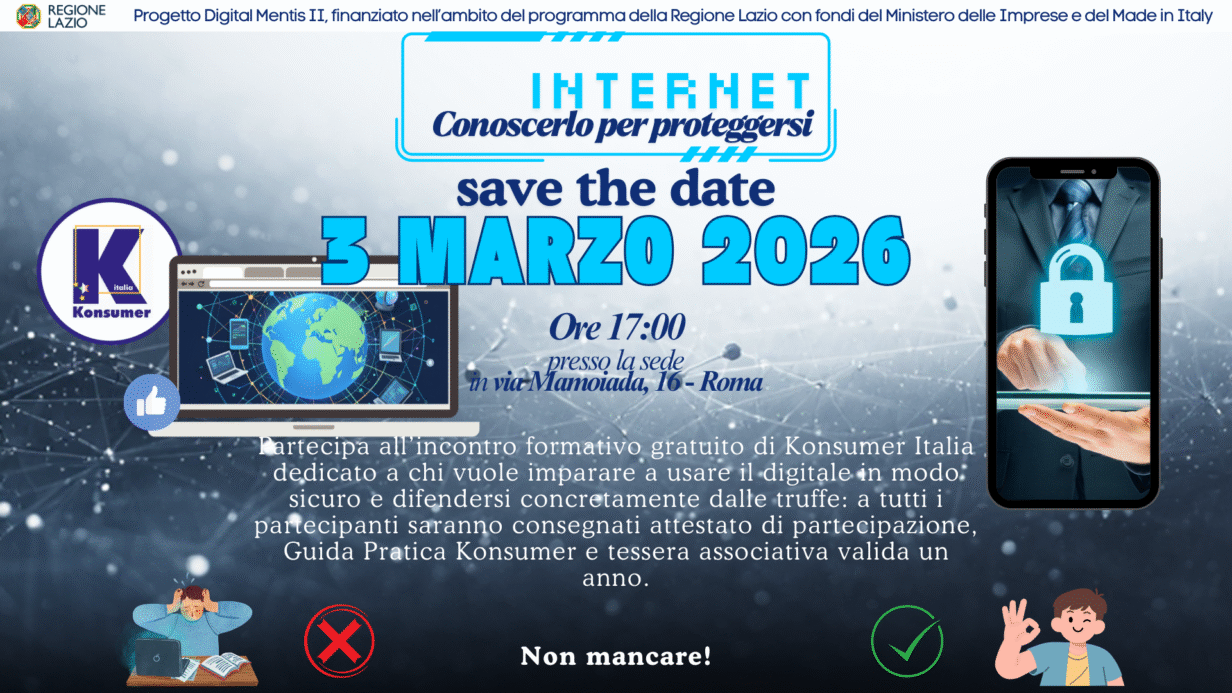
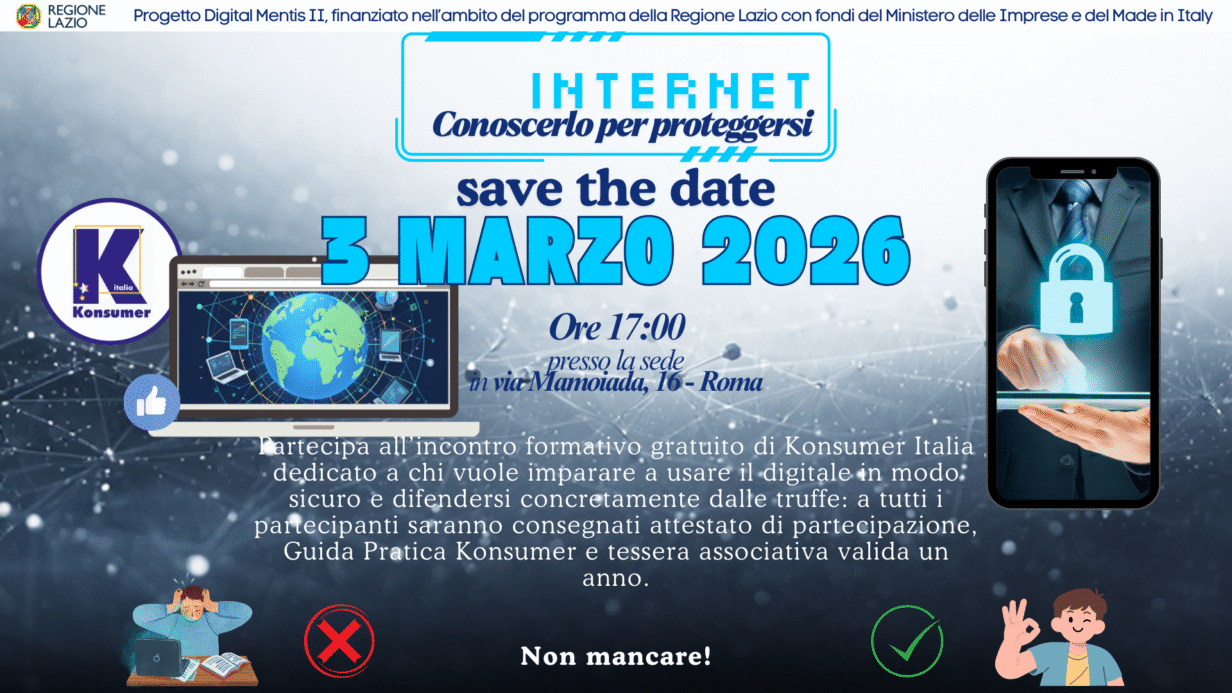
This €10,000 loss isn’t an isolated incident, it’s symptomatic of Italy’s rapid digitalization outpacing its security infrastructure. As Konsumer Italia reports, online fraud is growing exponentially, with phishing, smishing (SMS phishing), and vishing becoming increasingly sophisticated.
The uncomfortable truth is that digital banks prioritize user experience over security friction. Every additional verification step reduces conversion rates, so institutions often rely on “user education” as their primary defense, a convenient way to transfer risk to customers.
Until regulators mandate stronger anomaly detection, like mandatory cooling-off periods for large transfers to new IBANs or AI-driven pattern recognition for spoofed calls, the burden falls on you. Trust your phone’s caller ID at your financial peril, and remember: in the world of Italian digital banking, if someone calls asking you to move money to “protect” it, you’re not securing your account, you’re handing it over.