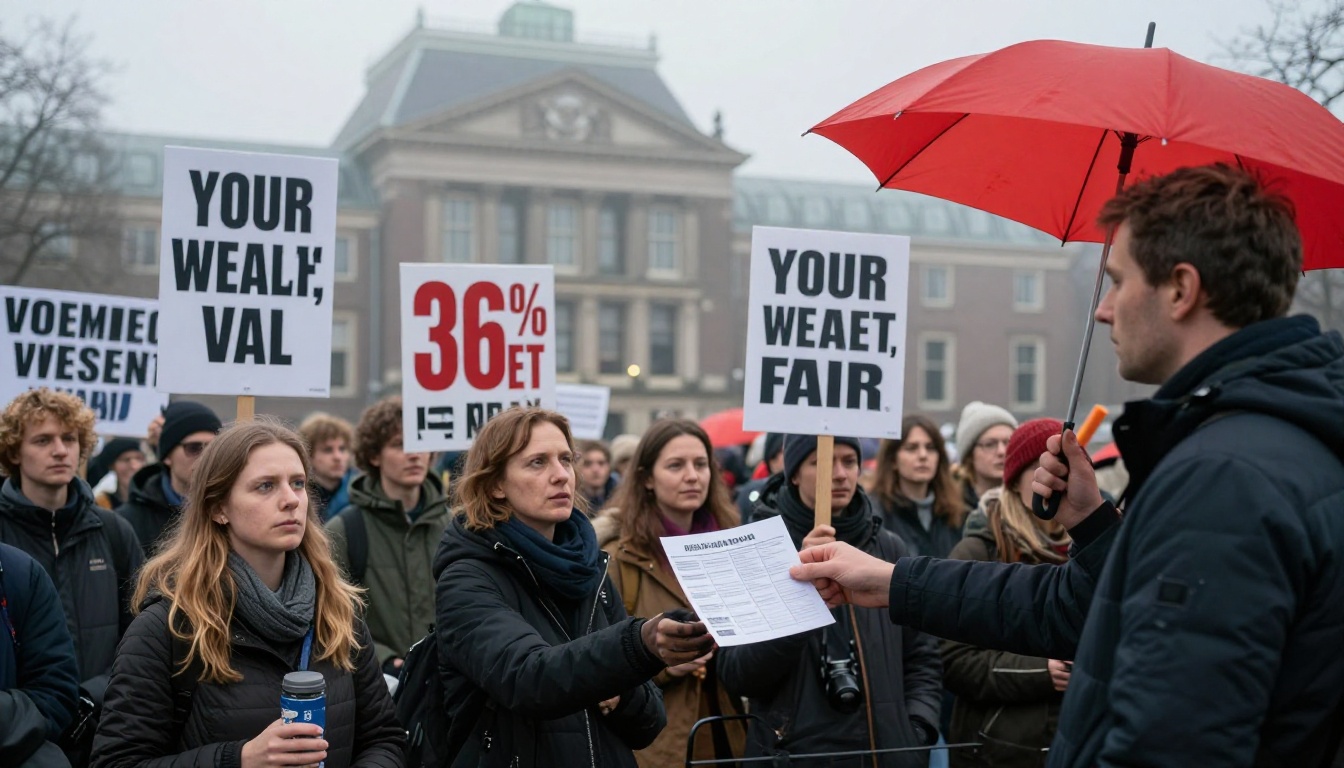
The Dutch political machine has done it again: created a tax reform so convoluted that even the parties voting for it are holding their noses. While the Tweede Kamer (Second Chamber) has already approved the new Box 3 (wealth tax box) regime, a grassroots campaign is making a final stand in the Eerste Kamer (Senate). The stakes? Your ability to build wealth without the Belastingdienst (Tax Authority) taking a 36% bite out of money you haven’t even earned yet.
The Box 3 Time Bomb: What You’re Actually Protesting
Starting January 1, 2028, the Netherlands will tax your actual investment returns at 36%, including unrealized gains. This means you’ll owe tax on paper profits from stocks, ETFs, and second homes that exist only on a screen. The heffingsvrij vermogen (tax-free wealth) allowance is also getting a stealth demolition: the current €57,000 exemption disappears, replaced by a measly €1,800 in tax-free returns.
Portfolio manager Reinder Wietsma from Centive ran the numbers and found that a modest monthly investor could lose over €300,000 in net returns over 40 years. “This goes mainly for people with less wealth”, he notes. “Private individuals who start small and want to build capital have no room to escape.”
The kicker? Your primary residence remains completely exempt. The result is what Wietsma calls “omgekeerd nivelleren” (reverse redistribution), a system where small investors get hammered while wealthy individuals shift assets into Box 2 via BV structures or simply hold more wealth in their homes.
Why the Senate Is Your Last Line of Defense
Here’s where Dutch democratic procedure becomes your potential lifeline. The Eerste Kamer doesn’t just rubber-stamp legislation. While the Tweede Kamer approved the bill on February 12, 2026, the Senate represents the final hurdle. And unlike the lower house, where coalition discipline often prevails, the Senate has a reputation for surprising independence.
The campaign at vermogensval.nl has made it dead simple to email all Senate members simultaneously. The website provides a pre-written message (which you should personalize) and delivers it directly to every senator’s inbox. In a political system where a few dozen emails can make a staffer notice, hundreds of coordinated messages create genuine pressure.
The Structural Unfairness That Has Everyone Angry
The new Box 3 regime creates what analysts call a “oneerlijk speelveld” (unfair playing field). Wealthy investors can simply move assets into a beleggings-BV (investment private limited company), falling under Box 2 taxation where profits are only taxed when actually distributed. Meanwhile, middle-class savers using standard brokerage accounts get hit annually on phantom gains.
Corné van Zeijl from Cardano predicts “an explosion of investment BVs” as people scramble for shelter. But as Wietsma points out, this option simply isn’t available to those starting with smaller amounts. “All large fortunes have no wealth in Box 3 and therefore have no problem with this”, he explains. “The Netherlands is destroying the possibility for smaller investors to make a dent in a pack of butter.”
The system also lacks proper loss compensation. If your portfolio drops 20% one year and rises 20% the next, you can’t fully offset the losses against subsequent gains. This “hard slap” approach, as Wietsma describes it, devastates the compound interest effect that makes long-term investing viable.
How This Distorts the Housing Market (And Your Life Choices)
The reform’s exemption of primary residences creates perverse incentives. Many investors are already shifting strategies, as discussions reveal. One couple moved from a 100m² to a 200m²+ home specifically to park wealth where it won’t be taxed. “We also directly chose a life-course-resistant home”, they noted, planning to cash out the untaxed overwaarde (equity) at retirement.
This could drive house prices up, not down, as people pour more capital into larger homes. The alternative, reducing private rental housing supply as landlords sell, might lower prices, but only for properties investors don’t want anyway. The starterwoningen (starter homes) market could see some relief, but the middle segment may become even more competitive as people upgrade to store wealth.
The Political Reality Check: Can You Actually Win?
Let’s be blunt: the odds aren’t great. As one political observer noted, “If a party voted for it in the Tweede Kamer (almost all of them), they’re certainly not going to vote against it in the Eerste Kamer now.” The left-wing parties (D66, PvdA-GL) actually support wealth-based taxation and are proportionally stronger in the Senate.
Even the VVD, which campaigned on “rust in de portemonnee” (peace of wallet), voted for this reform. Wietsma explicitly calls them out: “This is not peace of wallet, but can have enormous negative consequences for people.”
However, Senate members do occasionally break party lines, especially when constituent pressure becomes overwhelming. The vermogensval campaign isn’t trying to convince everyone, just enough to create doubt and delay. In Dutch politics, delay can mean reopening debate, especially for legislation this controversial.
Your Action Plan: How to Make Your Voice Count
1. Email the Senate Today
Visit vermogensval.nl and use their tool. But don’t just click send, personalize it. Mention your specific situation: “As an expat who moved here for the stable investment climate, this change undermines my long-term planning.” Or: “As a Dutch citizen trying to build a nest egg, losing compound interest to annual taxation makes retirement savings impossible.”
2. Contact Your Own Senators Directly
The website provides individual email addresses. Senators from provinces where housing markets are overheated (Noord-Holland, Utrecht) might be particularly receptive to arguments about wealth flight to real estate.
3. Frame Your Argument Around Dutch Values
Don’t just complain about taxes. Argue that the reform contradicts Dutch principles of fairness and forward planning. Point out that no other country taxes unrealized gains this way. Mention that it punishes people who save for the collective good, reducing pension independence and increasing future state dependency.
4. Share Your Story
When you email, explain the real impact. Will you need to sell investments to pay tax bills? Are you reconsidering your stay in the Netherlands? Personal stories resonate more than abstract principles.
What Happens If the Senate Approves It Anyway?
If the Eerste Kamer passes the bill, your options narrow but don’t disappear. The impact on long-term investors and FIRE seekers will be severe, forcing many to reconsider whether a BV structure makes sense.
You’ll need to rethink pension versus regular investing strategies, as pension wrappers become relatively more attractive. Some may even face exit tax implications if they leave the Netherlands, though the rules remain murky.
The most drastic option is what many are already doing: selling investments to pay anticipated tax bills. But this defeats the entire purpose of long-term wealth building.
The Bottom Line: Use It or Lose It
The Senate vote will happen soon. After that, your chance to influence this policy vanishes for years. The vermogensval campaign has done the hard work of finding contact information and drafting messages. Your part takes exactly seven minutes.
This isn’t about tax evasion or libertarian ideology. It’s about whether the Netherlands wants to be the only country in the world that taxes people on money they haven’t made yet, while giving the wealthy legal workarounds. It’s about whether middle-class savers deserve the same compound interest benefits that have built wealth for generations.
The Dutch system works when citizens engage. The Delta Works weren’t built by complaining at birthday parties, they were built by organized pressure on decision-makers. Your Senate email is today’s equivalent of demanding better flood protection: it’s planning ahead before the financial waters rise.
Send that email tonight. Tomorrow might be too late.
Action Checklist:
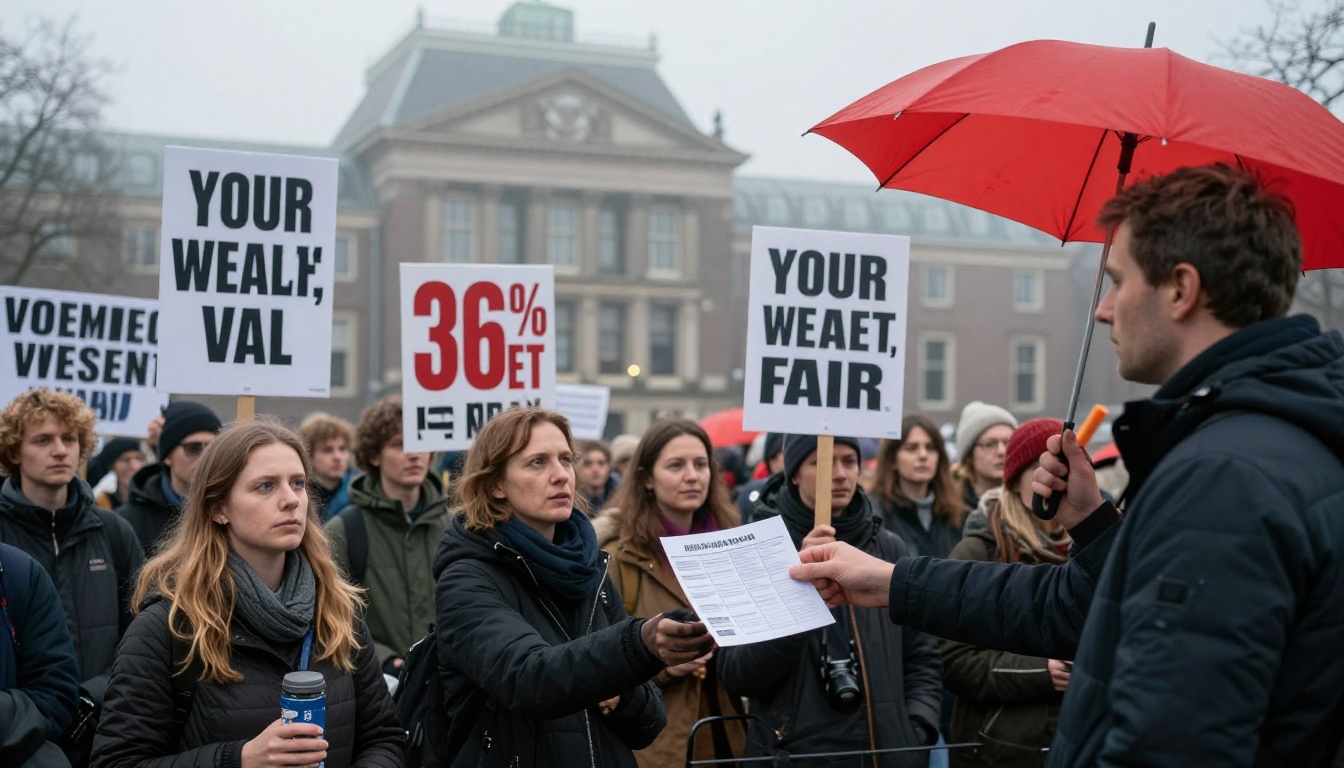
– [ ] Visit vermogensval.nl and customize the pre-written email
– [ ] Send to all Senate members before the vote
– [ ] Share the campaign with five friends who invest
– [ ] Follow the Senate debate schedule to time your follow-up
– [ ] Prepare your investment strategy for both outcomes