
Kids or Square Meters? The Dutch Housing Upgrade Dilemma Explained
A couple in their early thirties sits in a modest Amsterdam apartment, scanning Funda listings for homes between €800,000 and €900,000. Their current place, bought five years ago for €160,000, now commands a market value of €430,000. They plan to start a family in 2029. The question they face is the same one keeping many Dutch couples awake: do we upgrade now while we have energy and manageable costs, or wait until the kids actually arrive?
This scenario, recently discussed in online finance communities, captures a core tension in Dutch housing strategy. The numbers look promising on paper, combined income of €170,000 plus bonuses, €100,000 in savings, and substantial equity. But the decision involves more than financial capacity. It touches on market timing, life planning, and the brutal reality of what children do to both your time and your bank account.
The Raw Financial Trade-Off
Let’s run the cold math first. Selling their current home would net roughly €255,000 after paying off the remaining hypotheek (mortgage). Add their €100,000 savings, and they have €355,000 for the next purchase. On an €850,000 home, that means financing €495,000, well within reach for their income level under Dutch borrowing rules.
But here’s where Dutch market mechanics bite. The overdrachtsbelasting (transfer tax) on an €850,000 purchase hits €17,000 (2% of the price). Makelaar (real estate agent) fees for selling add another €4,000-6,000. The notaris (notary) charges roughly €1,500. Suddenly, €22,000 evaporates before you’ve touched a paintbrush.
Market Timing Myths and Dutch Reality
The Dutch housing market in early 2026 presents a contradictory picture. The average verkoopprijs (sale price) crossed €500,000 for the first time, yet the NVM reports “less hectiek (frenzy), fewer overbids, and more room for viewings.” In Q4 2025, nearly 48,000 homes sold, the highest quarterly volume since 2016.
This increased aanbod (supply) comes primarily from private landlords offloading rental properties due to stricter regulations and reduced returns. For families looking to upgrade, this creates a window. More supply means less intense bidding wars, particularly in the €800k+ segment where overbidding averages just 0.4% compared to 5% in lower tiers.
The Hidden Cost of Renovating With Children
Many couples underestimate what kids do to their capacity for home improvement. One father in the research data shared his reality: working 40 hours weekly, he only has evenings after dinner for klussen (DIY work). Weekends are for family time, not construction.
Another couple moved one month before their first child arrived. Four years later, with two kids running around, they still haven’t finished the projects they planned. The sentiment among parents is consistent: time becomes your scarcest resource, not money.
Childcare: The Budget Killer
Here’s where waiting gets expensive in ways calculators miss. The research reveals a brutal truth: childcare costs often exceed mortgage payments. One couple pays €1,400 monthly for three days of opvang (childcare), receiving only €100 in toeslagen (subsidies) due to their high income.
If the couple waits until 2029, they’ll face these costs immediately after moving. Their disposable income will crater just as they’re adjusting to higher monthly mortgage payments. If they move now, they stabilize their housing costs before the childcare shock hits.
The Starter Exemption Advantage
For couples under 35, the overdrachtsbelastingvrijstelling (transfer tax exemption) up to €555,000 offers significant savings. If our couple qualifies, buying now saves €17,000 in taxes. Waiting until after the first child might push one partner over 35, losing this benefit.
The exemption applies per buyer, not per couple, so strategic timing matters. If one partner turns 35 in 2027, acting before that birthday cuts costs substantially.
The Emotional X-Factor: Empty Rooms
One counterpoint from the data is poignant: a couple who struggled to conceive for three years found their four empty bedrooms emotionally difficult. The house became a reminder of what wasn’t happening.
This cuts both ways. Buying a family home too early can feel hollow. But waiting too long means rushing renovations while sleep-deprived. There’s no perfect answer, but the Dutch pragmatic approach suggests a middle path: shop now, buy when the right property appears, regardless of pregnancy status.
A Hybrid Strategy: The Dutch “Shoppen” Method
-
Calculate post-baby budget now: Factor in €1,500-2,000 monthly childcare costs and potential income reduction. Stress-test the new hypotheek payment against this reality.
-
View properties casually: Don’t rush, but don’t ignore the market. The right home rarely appears on your timeline. When it does, you’ll need to act within days, Dutch homes sell in an average of 28 days.
The Verdict: Act Sooner, Not Faster
For couples with solid finances and clear family plans, the math leans toward upgrading before children arrive. The combination of transfer tax savings, renovation capacity, and avoiding stacked life stressors outweighs the comfort of low current mortgage payments.
But this requires discipline. Don’t force a purchase in a frenzied bidding war. The current market cooling gives you permission to be selective. Use the increased supply to your advantage, and remember that in the Netherlands, the perfect is often the enemy of the good.
The couple in our scenario should spend 2026 viewing homes, understanding their true needs, and running parallel budget calculations. If the right property appears, particularly a nieuwbouw project or a fairly priced existing home in their target area, they should move. If not, they’ve lost nothing but gained market intelligence.
Waiting until 2029 means gambling on continued market softness while guaranteeing they’ll juggle a newborn, higher housing costs, and renovation chaos simultaneously. For most Dutch families, that’s a bet with poor odds.
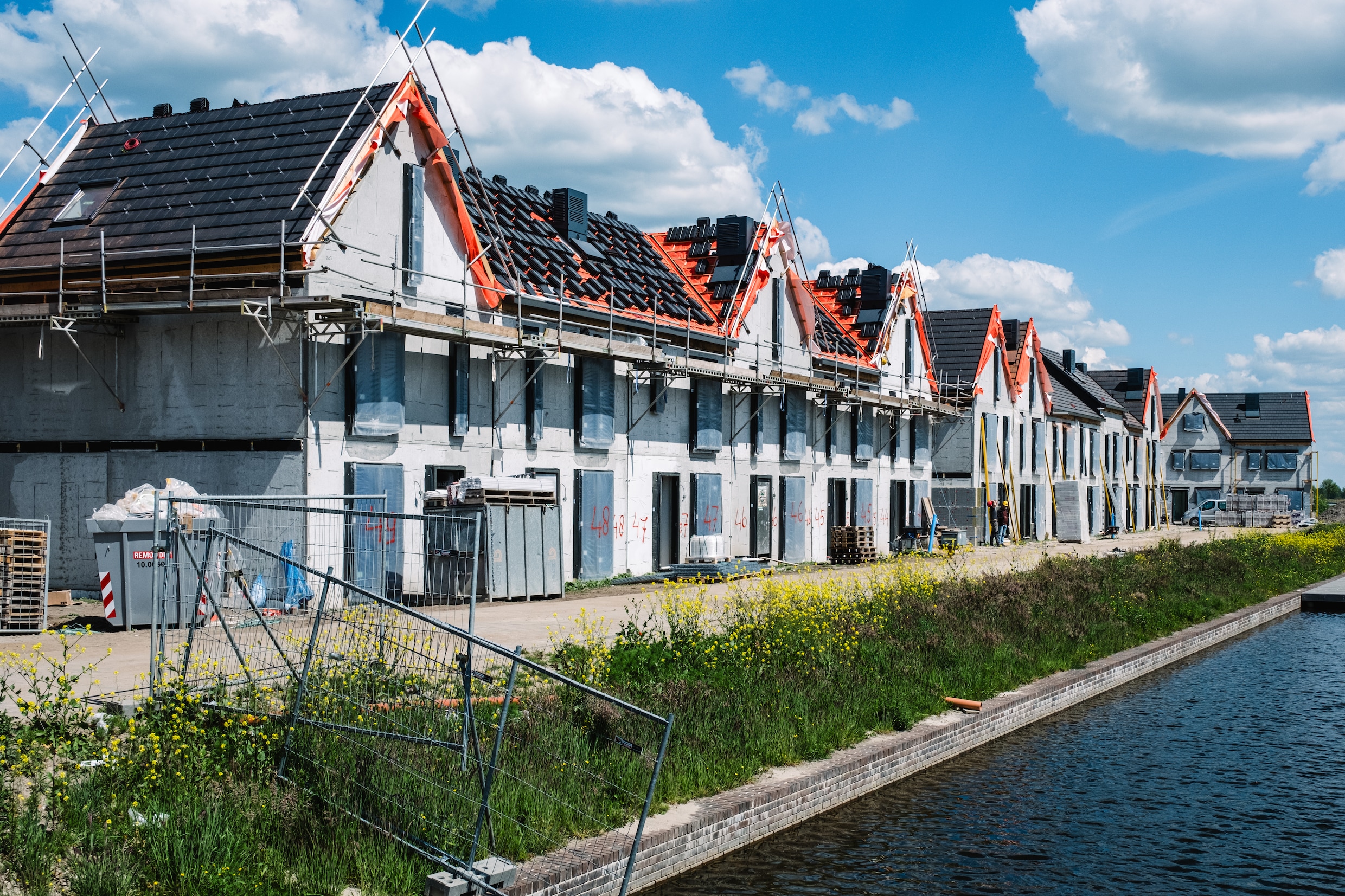
New construction projects like Breezicht in Zwolle offer predictable pricing but limited space