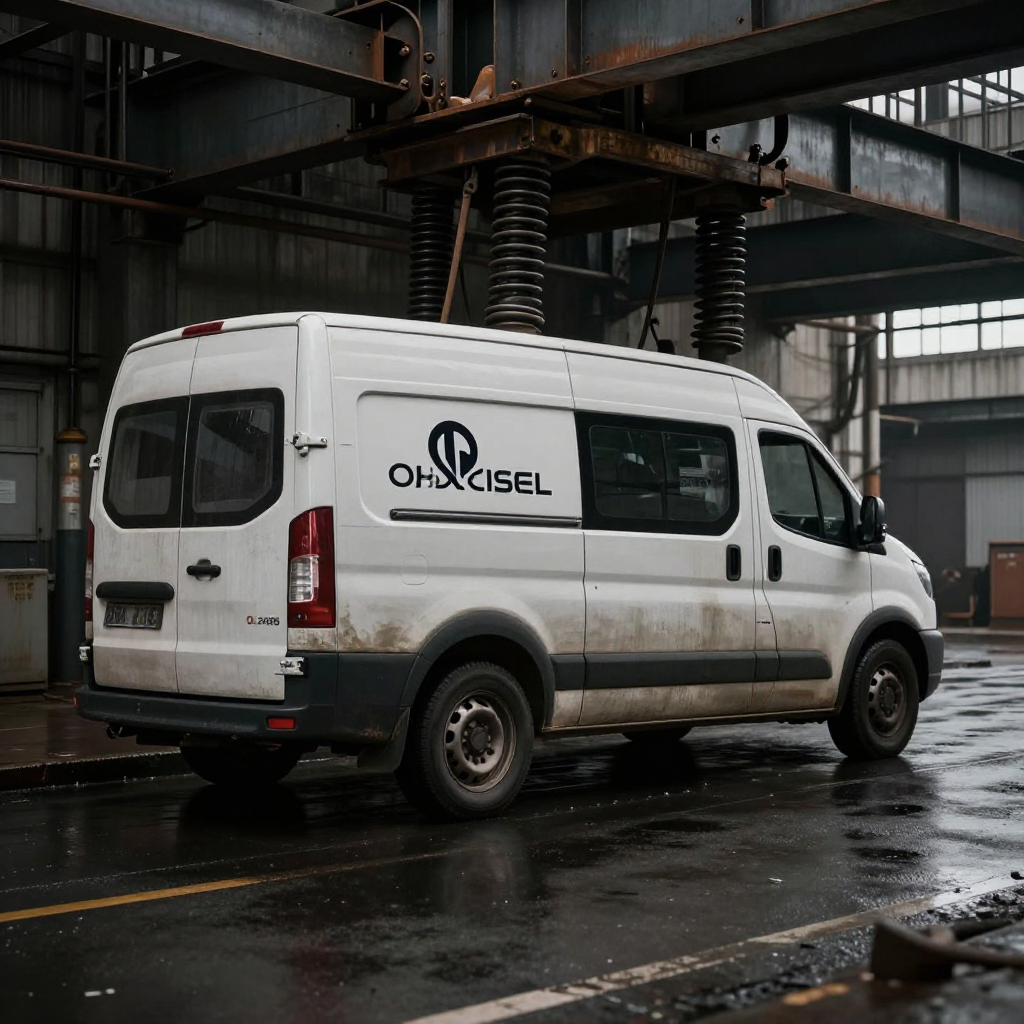
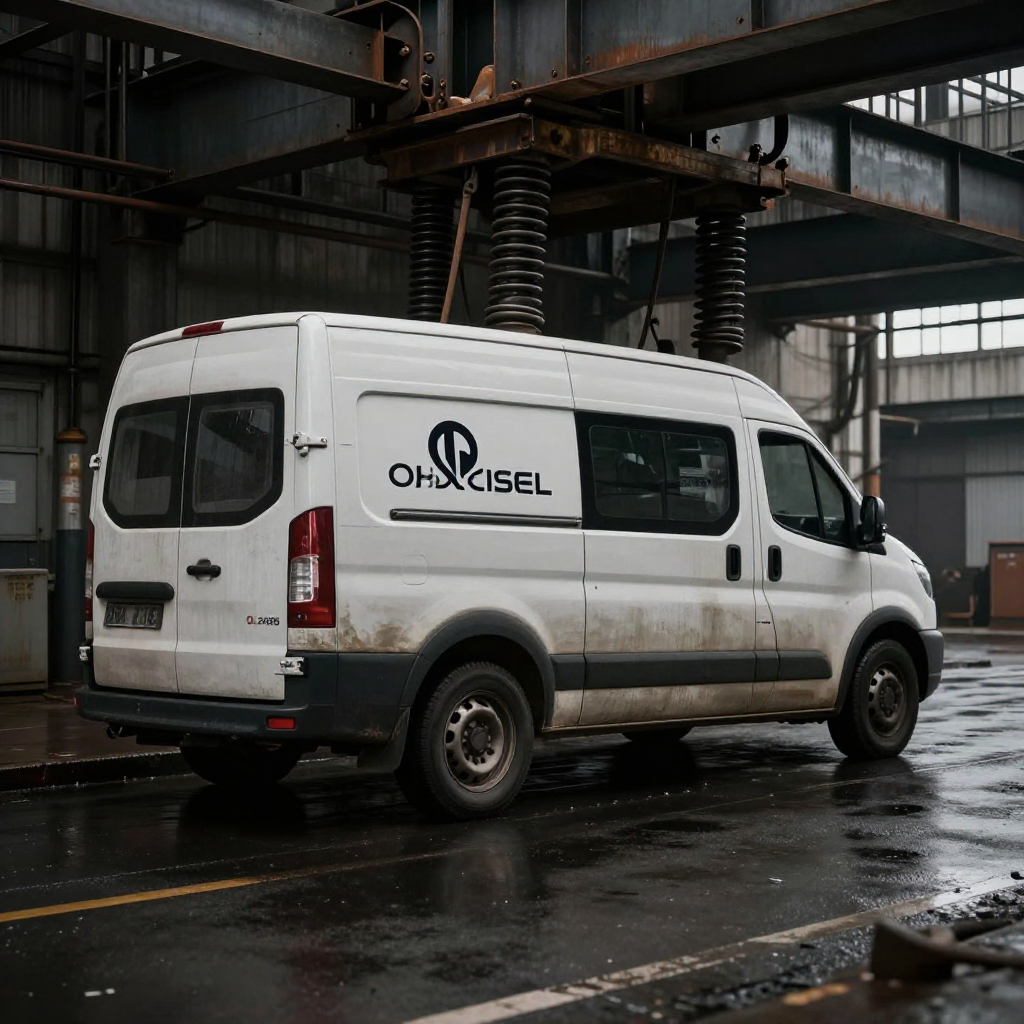
If your business runs a fleet of diesel vehicles, the Dutch tax authorities have a surprise waiting for you in 2027. While you've been busy navigating the usual bijtelling (addition) rules for your employees, the Belastingdienst (Tax Authority) is preparing a second tax hit, this time aimed directly at your company's bank account. The new pseudo-eindheffing (pseudo-final levy) isn't just another line item, it's a structural shift that could add thousands of euros per vehicle annually, and most businesses are still scrambling to understand the full scope.
The numbers paint a stark picture. According to recent RDW data analyzed by regeljelease.nl, a staggering 91.3% of commercial vehicles in the Netherlands still run on diesel.
That's not a typo. While private consumers have largely abandoned diesel (only 6.5% of personal cars), the business world remains stubbornly tethered to the fuel pump. This tax change, therefore, isn't a niche issue, it's a direct assault on how nearly every Dutch company with a fleet operates.
The New Tax: A Double Whammy on Diesel
Starting January 1, 2027, the pseudo-eindheffing introduces a 12% annual tax on the fiscal value of every non-electric company car. This isn't replacing the existing bijtelling, it's stacking on top of it. Your employee currently pays income tax on a percentage of the car's catalog value (bijtelling). Now, your company pays an additional 12% of that same value directly to the tax collector.
Here's the kicker: the old escape hatch of "no more than 500 private kilometers per year" is welded shut. Under the new rules, any private use, including woon-werkverkeer (commuting), triggers the full tax. The only way out is a genuinely airtight trip registration system proving less than 500 private kilometers annually, a standard so strict that most businesses will find compliance more expensive than just paying the tax.
Cost Impact Example: For a typical company car with a fiscal value of €45,000, you're looking at €5,400 extra per year, per vehicle. A modest fleet of ten cars? That's €54,000 in new annual costs, on top of lease payments, maintenance, and the existing bijtelling burden your employees face.
The Maas-De Koning automotive group calculates that a company with ten average vehicles will see costs jump by "ruim €50.000 extra kosten per jaar" (over €50,000 in extra costs per year), a figure that will make any CFO wince.
The Timeline: A Slow-Moving Train with a Hard Stop
The government has built in a transition period, but it's shorter than it looks. Vehicles already in your fleet before January 1, 2027, are exempt until September 17, 2030. After that date, the tax applies to everyone, regardless of when the car was purchased.
This creates a dangerous illusion of time. If you're signing a four-year lease today on a diesel van, that contract will run straight into the tax wall. The transition only helps if your vehicle is definitively off the books before September 2030. For any standard replacement cycle, 2027 is effectively the deadline.
Businesses are already reacting. Industry observers note a massive run on young diesel occasions, vehicles from 2024 or earlier that still qualify for BPM vrijstelling (BPM exemption) and can operate in cities until zero-emission zones fully kick in around 2028-2029.

As Sem Smeenk of Regeljelease.nl explains, entrepreneurs are buying these as a "tussenoplossing" (interim solution), essentially kicking the can down the road while they figure out what electric options might actually work for their operations.
Why Diesel Won't Die (Yet)
The persistence of diesel in commercial fleets isn't corporate stubbornness, it's cold pragmatism. For a construction worker hauling heavy gear or a delivery driver covering long distances, the current generation of electric vans presents real problems: limited range, reduced payload due to heavy batteries, and charging downtime that kills productivity.
The frustration is palpable. While the government pushes electric driving through fiscal force, many businesses report that the electric grid itself is becoming a bottleneck. One entrepreneur's sentiment, reflecting a common view, is that "we worden geregeerd door echte visionairs" (we are governed by real visionaries), a sarcastic jab at the mismatch between policy timelines and infrastructure reality. The concern isn't just about vehicle availability, it's about whether the Netherlands' electricity grid can handle mass simultaneous charging, especially during peak hours.
Fleet managers face a dilemma. The electric options that do exist are often significantly more expensive upfront, and while Total Cost of Ownership (TCO) may eventually favor them, the math only works with substantial subsidies, subsidies that are now being withdrawn. The SEPP subsidy for electric vehicles has ended, and the bijtelling advantage is shrinking fast (18% in 2026, 20% in 2027, full parity at 22% by 2028).
The Youngtimer Loophole (and Why It's Closing)
For years, savvy businesses used the youngtimer regeling (youngtimer scheme) to their advantage. Cars older than 15 years qualified for a 35% bijtelling on their current market value rather than original catalog price, often slashing tax bills dramatically. A 2018 Porsche Cayenne suddenly became a tax-efficient company car.
That party ends in 2027. The age threshold jumps to 25 years, making most modern diesels ineligible. This change alone pushes many luxury diesel SUVs and sedans into the standard 22% bijtelling bracket, eliminating a key financial incentive that had kept some older, high-emission vehicles in corporate fleets.
What You Can Actually Do Now
Waiting until 2026 to act is a costly mistake. Here's a practical roadmap:
1. Fleet Audit Immediately
Map every vehicle's contract end date, fiscal value, and replacement timeline. Identify which units will still be on your books in 2027. This is step one at Maas-De Koning: "Breng uw huidige wagenpark in kaart: voertuigen, waarden en contracteinddata."
2. Accelerate Natural Replacement Cycles
If a diesel lease ends in late 2026, consider replacing it in 2025 instead with an electric alternative. The transition period won't save you if you're locked into a new diesel contract that extends beyond the deadline.
3. Calculate Real TCO, Not Just Lease Price
Factor in the new 12% tax, energy costs, maintenance (EVs are cheaper), residual value, and the shrinking bijtelling benefits for EVs. The "Total Cost of Ownership" approach is what dealers like Maas-De Koning now push because it often reveals EVs are already competitive for high-mileage drivers.
4. Rethink Mobility Policies
For some roles, a full electric car isn't viable yet. Consider a mobiliteitsbudget (mobility budget) allowing employees to choose between a smaller EV, public transport, or a car-sharing scheme for work trips. This can reduce your fleet size and tax exposure simultaneously.
5. Beware the Registration Trap
If you think you'll avoid the tax by limiting private use, understand the burden of proof is extreme. The Belastingdienst requires a "sluitende en controleerbare ritregistratie" (watertight and verifiable trip registration). One day of private use in a month means you pay the tax for the entire month. Most find compliance isn't worth the administrative nightmare.
The Bottom Line: A Forced March to Electric
The pseudo-eindheffing is not designed to be fair or gradual, it's designed to be a fiscal cattle prod. By making diesel and gasoline company cars punishingly expensive to keep, the government is bypassing the infrastructure debate and forcing businesses to become early adopters, ready or not.
The irony is that while private individuals are gently nudged toward electric with slowly diminishing incentives, businesses are being shoved off a cliff. The 91% diesel fleet dominance means this tax will generate massive revenue, which seems to be part of the point. As one commenter noted dryly, "Ja heel toevallig he, kunnen ze daarover weer belasting op gaan heffen!" (Yes, very coincidental, they can levy tax on that again!).
For self-employed entrepreneurs (ZZP'ers) and fleet managers, the message is clear: 2025 is your last year to make strategic decisions without the 12% anchor around your neck. Every diesel contract signed today is a ticking time bomb. The run on young occasions shows the market is already panicking. Don't join the panic, do the math, audit your fleet, and start conversations with your leasing company now about accelerating your electric transition. The tax is coming, but the worst costs are avoidable if you stop waiting for clarity that isn't going to arrive.