If you’re spending €5,000 or more monthly on your credit card in Austria and still using a traditional bank-issued card, you’re likely leaving over €2,000 in annual rewards on the table. The Austrian credit card market operates with the same efficiency as a Viennese coffee house during rush hour, until you try to get meaningful benefits for your high spending.
The uncomfortable truth? For high spenders, traditional Austrian credit cards are a losing proposition. This isn’t speculation, it’s arithmetic that most affluent consumers discover too late.
The Austrian Premium Card Mirage
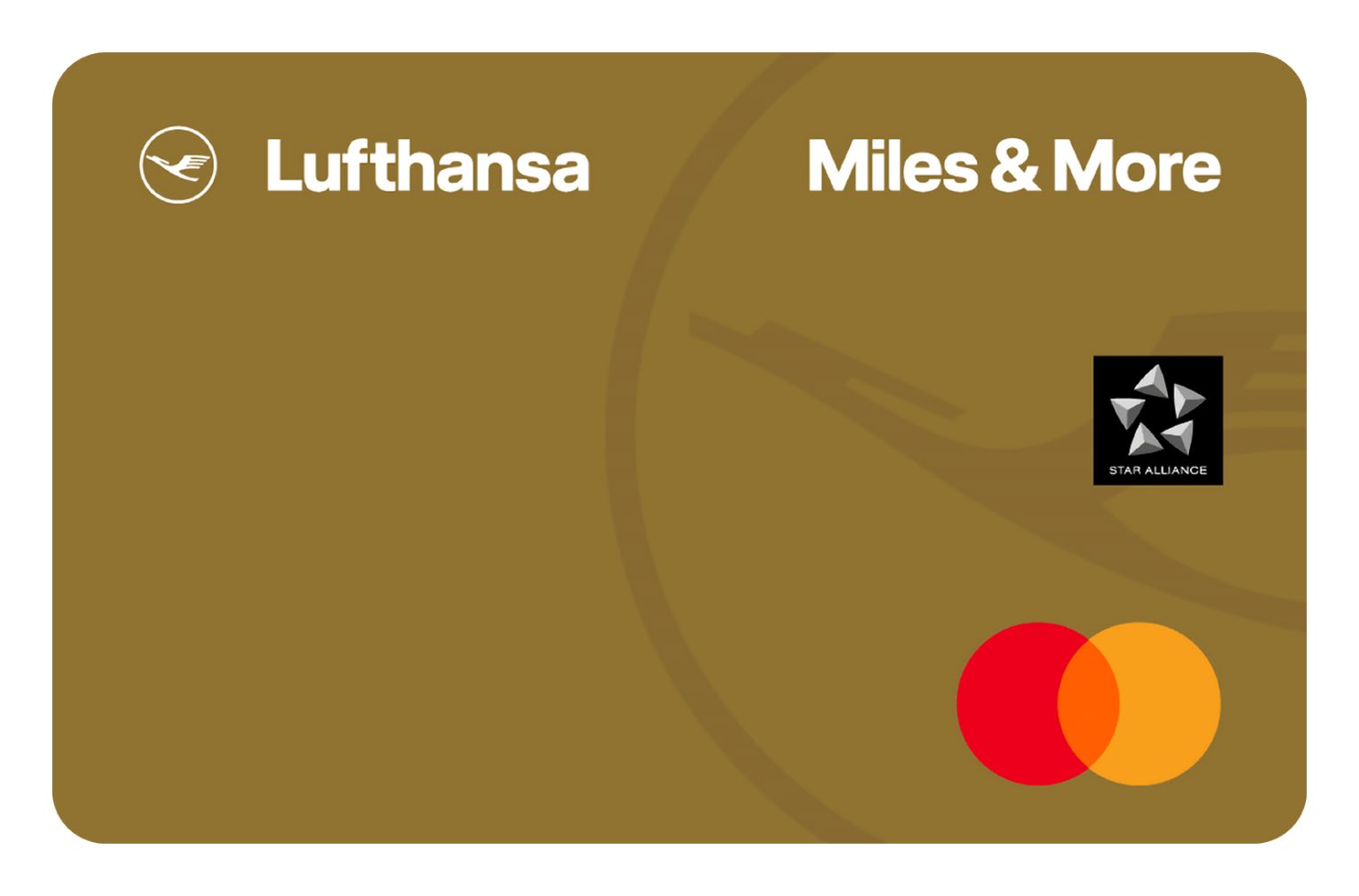
Let’s examine what Austrian banks actually offer for their so-called “premium” cards. The Miles & More Gold Credit Card (costing €138 annually) delivers 1 mile per €2 spent. At €60,000 annual spend, you collect 30,000 miles, enough for one short-haul economy flight worth maybe €300. That’s a 0.5% effective return before the annual fee. After subtracting the fee, your net benefit drops to 0.27%.
The American Express Platinum Card (€720 annual fee) offers better perks, airport lounges, hotel status, travel credits, but still caps Membership Rewards at 1 point per €1. The real value depends entirely on how you redeem those points. Most Austrian cardholders, according to data from Finanzfluss, redeem suboptimally, yielding barely 1% effective cashback.
Meanwhile, standard “free” cards like the Amazon Visa return just 0.5% on general purchases. For someone spending €5,000 monthly, that’s €300 annually, barely enough for a weekend in Salzburg.
The Crypto Card Workaround Austrians Don’t Discuss Publicly
Here’s where the discussion gets controversial. Research from online forums reveals a growing number of Austrian high spenders quietly switching to crypto debit cards for daily expenses.
One user reported using Bybit’s card to earn 4% cashback in USDC on all purchases, requiring only €3,500 monthly spend to qualify. On €60,000 annual spending, that’s €2,400 in stablecoin rewards, eight times better than the Miles & More Gold card’s practical value.
The catch? Tax treatment remains murky. The Finanzamt (Tax Office) hasn’t issued clear guidance on whether crypto cashback constitutes taxable income or a rebate. Most users treat it as a discount, but this could change. The Bundesministerium für Finanzen (Federal Ministry of Finance) typically considers credit card rewards non-taxable, but crypto assets fall under different regulations.

Important caveat: The EU-version of Bybit operates from Vienna and claims to be “steuereinfach” (tax-simple), but whether this holds up during a Betriebsprüfung (tax audit) remains untested in Austrian courts.
Why Austrian Banks Can’t Compete
Austrian banking oligopolies, Erste Bank, Raiffeisen, Bank Austria, face structural limitations. Their cost bases, legacy IT systems, and regulatory capital requirements make competing with fintechs economically unattractive for the segment.
The result? Premium cards that are premium in name only. Consider these limitations:
- Cashback caps: Trade Republic’s 1% Saveback program limits rewards to €15 monthly (€180/year). Vivid’s “up to 4%” requires maintaining €1,000+ balance and uses rotating categories.
- Foreign transaction fees: Most Austrian cards charge 1.5-1.95% on non-EUR purchases, instantly negating any rewards.
- High interest rates: Revolving credit APRs hover around 20-24%, making carrying balances financially catastrophic.
The Black Card Reality Check
For truly high spenders (€20,000+ monthly), Austrian banks offer “black cards” like the American Express Centurion or Visa Infinite. But these operate on invitation-only basis, requiring not just high income but “exzellente Kreditwürdigkeit” (excellent creditworthiness) and often a banking relationship spanning years.
Even then, the value proposition is questionable. The Centurion’s €5,000+ annual fee includes concierge services and lounge access, but many benefits duplicate what high earners already have through business travel programs or private banking relationships.
The Strategic Austrian High Spender’s Stack
Based on analysis of successful Austrian high spenders, the optimal approach involves card stacking rather than relying on a single premium card:
Primary Card (Daily Driver)
Trade Republic Visa: 1% Saveback, no annual fee, no foreign transaction fees, free worldwide ATM withdrawals over €100. The €15 monthly cap means you max out at €1,500 spend, then switch.
Secondary Card (High-Value Purchases)
Curve linked to underlying credit cards: Front-loads transactions to specific cards while providing an additional 1% cashback layer. Particularly useful for large purchases where you want to direct spend to a specific card for benefits.
Specialized Cards
- Amazon Visa: For Amazon purchases only (2% for Prime members)
- Payback American Express: For Payback partners (effectively 0.33% base, but doubles with partner bonuses)
- Crypto.com Visa: For those comfortable with crypto, offering 1-5% in CRO tokens depending on staking level
The Austrian Tax Consideration
Here’s where many get it wrong. The Finanzamt distinguishes between:
- Rabatte und Boni: Generally tax-free if received as part of a purchase
- Zinsen und Erträge: Taxable under Abgeltungssteuer (capital gains tax) at 27.5%
- Kryptowährungen: Taxable if converted to EUR within one year, with gains over €440 taxed at 27.5%
Crypto cashback sits in a gray area. If you receive USDC and immediately convert to EUR, is that a taxable event? Austrian tax advisors currently argue it’s equivalent to a rebate, but the Finanzamt hasn’t confirmed this position.
For traditional points and miles, the KESt (Kapitalertragsteuer) doesn’t apply, making them safer from a tax perspective, but less valuable.
The Fee Waiver Fiction
Many Austrian consumers ask: “Which cards waive annual fees for high spending?” The disappointing answer: almost none.
Unlike US cards where spending $50,000+ often triggers fee waivers or statement credits, Austrian issuers rarely offer this. The Barclays Visa charges €2 monthly for automatic full balance payments, penalizing responsible behavior. The DKB Visa requires €700 monthly income to avoid fees but doesn’t waive them based on spend volume.
This structural difference explains why Austrian high spenders increasingly look abroad, either to German fintechs (N26, Trade Republic) or crypto platforms operating under EU passports.
Practical Recommendations for Austrian High Spenders
-
Calculate your true spend: Track 3 months of credit card spending. If you consistently exceed €3,000 monthly, you’re in “high spender” territory.
-
Audit your current card: What’s your effective reward rate after fees? If it’s under 1%, you’re losing money.
-
Consider the crypto risk: If you’re crypto-savvy, a card like Crypto.com’s offering 2-5% in CRO can dramatically outpace traditional cards. Just document everything for your Steuererklärung (tax return).
-
Stack, don’t switch: Use Trade Republic for first €1,500 monthly, then Curve for general spending, and specialized cards for category bonuses.
-
Watch the FX fees: If you travel frequently or shop internationally, prioritize cards with 0% foreign transaction fees. Most Austrian cards fail this test.
The Coming Disruption
Austrian banks face increasing pressure from PSD2 and open banking. Fintechs can now access account data to offer better products. The upcoming Digital Euro may further disrupt traditional card economics.
For now, the smart money among Austrian high spenders isn’t waiting. They’re already using multi-card stacks involving German neobanks, crypto platforms, and selective premium cards, maximizing returns while Austrian issuers sleep.
The question isn’t whether this is optimal. It’s whether Austrian banks will wake up before their most profitable customers permanently exit their ecosystem.
Bottom line: If you’re spending €5,000+ monthly on a single Austrian premium credit card, you’re probably subsidizing other customers while earning subpar rewards. The math doesn’t lie, even if your bank’s marketing does.