
Two days after paying €16,000 Ablöse (transfer fee) for a modest Imbiss (snack stand) in Vienna’s 17th district, the new owner watched construction crews erect barriers that reduced his customer entrance to a narrow path of wooden beams. The Schanigarten (outdoor seating area) permit he’d acquired became worthless overnight. The sidewalk display rights evaporated. A three-to-four-month construction project had materialized from nowhere, and with it, his working capital began hemorrhaging.
This isn’t a cautionary tale from some distant past, this happened recently, and the buyer’s story illuminates a brutal truth about Austrian business transfers that few first-time entrepreneurs understand until they’re trapped.
The Ablöse Illusion: What You’re Really Buying
The Reddit discussion around this case revealed a critical split in perspective. Seasoned observers immediately noted: €16,000 for a Vienna location with existing Betriebsanlagengenehmigung (operating facility permit) and Schanigartengenehmigung (outdoor seating permit) is, by local standards, almost suspiciously cheap. You’re not primarily buying the abgenützte Gartenmöbel (worn-out garden furniture), the simple Lüftungsanlage (ventilation system), or the Grillplatte (grill plate). You’re buying access to foot traffic, established permits, and the intangible goodwill of a location that has operated as an Imbiss since 1988.
But here’s where Austrian commercial law gets murky. The Ablöse represents Gegenleistung (consideration) for a bundle of rights and assets. When the seller transferred the Betriebsanlagengenehmigung and Schanigartengenehmigung, they technically fulfilled their contractual obligations. The fact that the buyer now cannot use these permits due to external construction doesn’t automatically void the contract, unless you can prove the seller knew and deliberately concealed this information.
Construction Chaos: The Hidden Deal-Killer
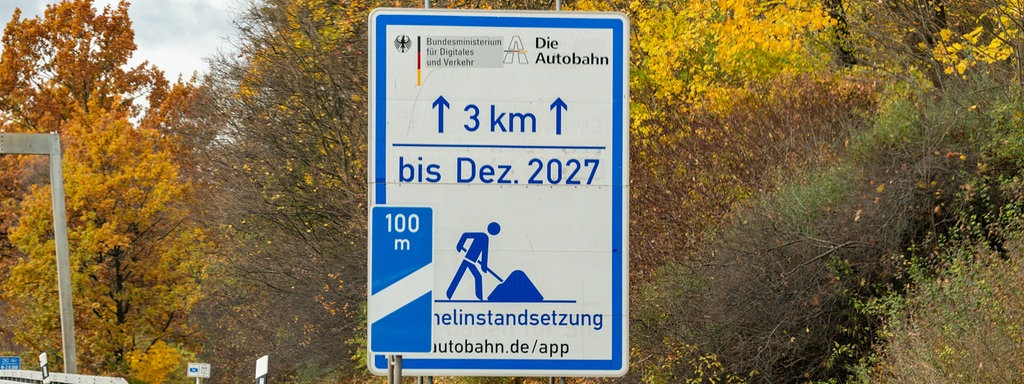
The Vienna case demonstrates a due diligence failure that’s shockingly common. The buyer admits they didn’t research what “in der Region läuft” (was happening in the area). This oversight proved catastrophic. Construction in Austrian cities operates on timelines that would make a German Baubürgermeister (construction mayor) weep, with projects frequently extending beyond initial estimates due to everything from Altlasten (contaminated soil) to coordination between multiple utilities.
What makes this particularly painful for the Imbiss owner is the permit structure. A Schanigarten genehmigung (outdoor seating permit) in Vienna is gold, until the sidewalk becomes a Baustelle (construction site). The permit typically specifies exact dimensions and locations. When construction barriers occupy that space, your permit doesn’t magically transfer to the other side of the street. You’re simply out of business for the duration.
Legal Recourse: Between Betrug (Fraud) and Bad Luck
The buyer’s question, “kann man argumentieren, dass die Ablöse nichtig ist?” (can you argue the transfer fee is void?), touches on Austrian contract law’s treatment of pre-contractual information duties. If the seller knew about the imminent construction and failed to disclose it, you might have a case for arglistige Täuschung (fraudulent misrepresentation). Proving this requires demonstrating:
– The seller had actual knowledge
– They deliberately concealed it
– You would not have entered the contract had you known
The problem? Construction plans are often public record. The Stadtplanung (city planning office) likely published this project months ago. Austrian courts generally expect business buyers to conduct Grundlagenermittlung (basic research). Just as unexpected brokerage account restrictions can kill your home purchase, failing to check municipal construction schedules can kill your business acquisition. The financial lock-up is similar: your capital is committed, but you can’t generate returns.
The Real Value Calculation: Beyond Equipment
Commenters correctly noted the buyer got the location cheap. But they missed a crucial Austrian specificity: in Vienna’s Gastronomie (restaurant/food service sector), location value is 70% accessibility and 30% physical space. When construction eliminates both sidewalk access and Schanigarten (outdoor seating) utility, that €16,000 location premium evaporates.
Consider what the buyer actually received:
– Betriebsanlagengenehmigung (operating facility permit): Valid but unusable
– Schanigartengenehmigung (outdoor seating permit): Valid until 2026 but currently worthless
– Equipment: Maybe €2,000 in tangible value
– Location goodwill: Currently negative due to access issues
The Afghan couple in Plettenberg who took over Döner 88 faced similar risks, investing €25,000 in new equipment while hoping the location’s established reputation would carry them. Their optimism is admirable, but they had one advantage: they researched the local market thoroughly and understood the standing the location had in the community.
Due Diligence: The Austrian Checklist
If you’re considering a business Ablöse in Austria, treat it like any major financial transaction, because it is. Just as moving large sums triggers banking scrutiny, business transfers require systematic investigation:
Municipal Research:
– Request Bauauskunft (construction information) from the Magistrat (city administration)
– Check for planned Straßenbau (road construction) or Leitungsbau (utility work)
– Verify Schanigarten permit conditions and any scheduled changes to sidewalk usage
Neighborhood Intelligence:
– Speak with neighboring Geschäftslokale (businesses) about planned disruptions
– Ask the local Wirtschaftskammer (Chamber of Commerce) about area development
– Review the Gemeinde (municipality) development plan for the district
Contractual Protections:
– Structure Ablöse payments in installments with a Rücktrittsklausel (withdrawal clause) for undisclosed material changes
– Require written confirmation from the seller about known construction or permit issues
– Consider business interruption insurance that covers construction-related losses
The €16,000 Lesson
The Vienna Imbiss buyer’s story teaches a harsh but valuable lesson: in Austrian business transfers, the Ablöse is a bet on future operational conditions, not a purchase of past success. The seller’s worn-out Gartenmöbel (garden furniture) were never the asset, the right to operate in that location was.
Three to four months of construction could mean €20,000-30,000 in lost revenue for a small Imbiss. The €16,000 Ablöse suddenly looks like the down payment on a much larger loss. Yet the buyer also got a bargain on a Vienna location that, once construction ends, might generate returns for years.
The key takeaway? Approach Austrian business acquisitions with the same skepticism you’d apply to complex financial instruments. The surface numbers rarely tell the full story. Your due diligence must extend beyond the business itself to the entire operational ecosystem, because in Vienna, a wooden beam walkway can be the difference between profit and bankruptcy.
Before you sign that Ablösevertrag (transfer agreement), spend a day at the Bezirksamt (district office). Your €16,000 will thank you.