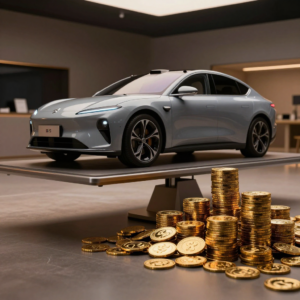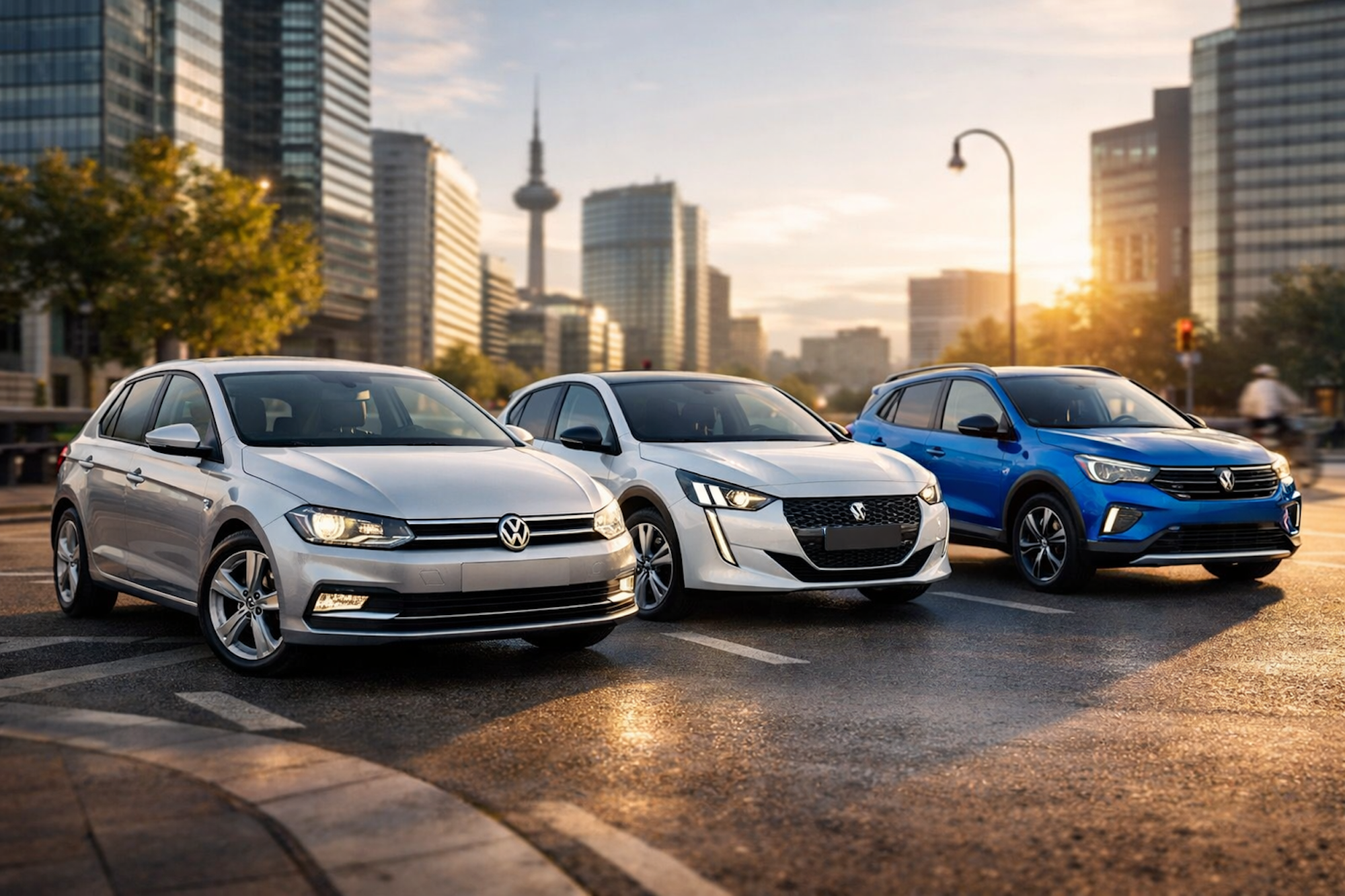
You see them on the A1 during rush hour, in the parking garages of Vienna’s office towers, and lined up outside Alpine ski resorts: shiny new cars with leasing plates. The driver looks content, but the math behind that satisfaction tells a different story. Austrians are paying premium prices for the privilege of owning nothing, and most don’t realize how much it’s costing them.
The leasing industry has perfected the art of making expensive cars feel affordable. A €50,000 vehicle becomes “just” €399 per month. That number fits neatly into a household budget, but it hides a complex financial equation that rarely works in your favor. Let’s dissect why this model remains so popular despite its flaws.
The Status Tax: Why We Lease What We Can’t Afford
Walk into any Austrian car dealership, and the sales pitch focuses on the monthly rate, not the total cost. This isn’t accidental. The human brain struggles to calculate long-term expenses but grasps monthly payments instantly. A €99 monthly rate for a Renault Clio sounds like a bargain until you realize you’re paying €1,299 in setup fees and will never own the vehicle.
The Reddit discussion on Austrian personal finance forums reveals a harsh truth: many private individuals lease because they cannot afford to buy. They lack the €10,000-15,000 down payment for a used car or simply cannot manage their finances to save that amount. Leasing becomes a way to drive a car they couldn’t otherwise afford, but at a steep premium.
This creates a vicious cycle. You lease a car because you have no savings, but leasing prevents you from building savings. After three years, you return the vehicle with nothing to show for your €8,000-12,000 in payments. You’re back at square one, needing another car, and the dealer offers you a “great deal” on a new lease. The treadmill continues.
The Math That Dealers Don’t Emphasize
Let’s examine a real Austrian offer. The Kia Sportage Vision leases for €199 monthly with a €1,190 setup fee. Over 36 months, you pay €8,354 total. The car’s list price is €36,850. If you bought it outright, you’d face roughly €14,700 in depreciation over those same three years.
The leasing industry frames this as “saving €6,000.” This is clever marketing. You’re not saving money, you’re paying €8,354 to avoid €14,700 in depreciation. But you also walk away with zero equity. If you had bought the car and sold it after three years, you’d have roughly €22,000 in your pocket. Yes, you “lost” €14,700 to depreciation, but you retained €22,000 in value.
The leasing factor (Leasingfaktor) reveals the true cost. For the Sportage, it’s 0.54, which dealers call “good.” Anything under 0.65 is considered reasonable in Austria. But this metric normalizes paying thousands for temporary use. It distracts from the fundamental question: why pay €8,000 for something that gives you nothing permanent?
When Leasing Actually Makes Sense (The Rare Exceptions)
Despite the harsh math, specific Austrian circumstances make leasing defensible:
Zero-percent financing deals: Tesla and occasionally other brands offer 0% interest. If you can invest the cash you would have spent on a purchase, you might outperform the leasing cost. One Austrian driver noted they keep their capital in ETFs while paying zero interest on their lease. Inflation works in their favor, and they maintain liquidity.
Business use (betriebliche Nutzung): For sole proprietors (EPU), leasing offers tax advantages. You can deduct the business-use percentage of payments via a Fährtenbuch (logbook). If business use exceeds 50%, you deduct actual costs, under 50%, you can claim the Kilometergeld (mileage allowance) of €0.42 per kilometer, which often yields better returns.
Electric vehicles: The technology evolves rapidly, and battery degradation remains uncertain. Leasing a Dacia Spring for €83 monthly lets you avoid the risk of owning an outdated EV in three years. You also sidestep the hassle of selling a used electric car in a volatile market.
Convenience at any cost: Some Austrians openly admit they lease because they’re “too lazy” to handle maintenance, repairs, and selling. They pay a premium for a complete package where they just refuel and drive. For high-income individuals where time matters more than money, this can make sense.
The Psychological Traps That Keep You Paying
The leasing industry exploits several cognitive biases that hit Austrian consumers particularly hard:
The monthly payment illusion: €399 feels manageable. €36,850 feels impossible. Breaking large sums into small pieces is a classic sales tactic that bypasses rational financial thinking.
Fear of commitment: Austrians increasingly avoid long-term ownership. Leasing feels flexible, even though you’re locked into a multi-year contract with strict kilometer limits. Exceed those limits, and penalties quickly erase any perceived savings.
Status signaling: In a country where appearances matter, especially in business circles, driving a new BMW or Mercedes sends a message. The €399 monthly payment becomes a marketing expense for your personal brand. The question is whether that investment generates actual returns.
Maintenance anxiety: The fear of a €4,000 transmission repair drives people to leasing. But modern cars, especially with warranties like Kia’s 7-year coverage, make this fear largely irrational. You’re paying thousands to insure against a risk that might never materialize.
The Opportunity Cost: What You’re Really Giving Up
Here’s what the leasing discussion rarely mentions: opportunity cost. That €8,354 spent on a Kia Sportage lease could become €10,500 in five years if invested in a basic ETF at 7% average return. Over a lifetime of leasing every three years, this compounds into six-figure losses.
The Austrian financial independence community has run the numbers. If you buy a reliable used car for €15,000 and drive it for ten years, your annual cost is roughly €1,500 plus maintenance. Leasing a new car every three years costs €2,800-4,000 annually, and you build zero equity.
The math becomes more extreme with luxury cars. The BMW i4 at €399 monthly costs €12,763 over 27 months, plus a €1,990 down payment. That’s €14,753 for two years of driving. A used BMW 3-Series purchased for €20,000 and sold for €12,000 three years later costs you €8,000 total, a €6,753 savings.
Austrian-Specific Pitfalls to Watch
Kilometer-Leasing traps: Most Austrian contracts limit you to 10,000 km annually. If you drive 15,000 km, you’ll pay €0.20-0.30 per extra kilometer. That adds €1,500-2,250 yearly, destroying any financial advantage.
Insurance costs: Leasing requires full coverage (Vollkasko), which can cost €1,200-1,800 annually for new cars. A paid-off used car lets you drop to Teilkasko and save hundreds.
The Anschlussfinanzierung trick: At lease end, dealers offer to finance the residual value (Restwert). This extends your payments, and you’ll have paid far more than the car’s worth by the time you own it.
Tax changes: Austria frequently adjusts vehicle taxes and EV incentives. A lease locks you into a decision based on current rules, while ownership lets you adapt.
Who Should Lease vs. Who Should Buy in Austria
Lease if:
– You have a stable business with provable high mileage (over 50% business use)
– You can get genuine 0% financing and will invest the difference
– You absolutely need a new EV and want to avoid battery risk
– Your income is high enough that €400 monthly is negligible
Buy if:
– You’re a private individual using the car for commuting and personal trips
– You can save €10,000-15,000 for a solid used car
– You want to build wealth rather than burn cash
– You drive unpredictable kilometers
The hybrid approach: Buy a 2-3 year old used car with low kilometers. Let someone else absorb the initial depreciation. Keep it for 5-7 years. Invest what you would have spent on leasing payments.
Breaking the Cycle: Practical Steps for Austrians
If you’re currently leasing and want out, start here:
-
Calculate your real cost: Add up every leasing payment, setup fees, insurance, and excess kilometer charges. Divide by months of ownership. That’s your true monthly cost.
-
Build a car fund: Open a separate savings account and deposit your current “leasing payment” for six months. This builds discipline and shows you can save.
-
Research reliability: Austrian automobile clubs publish reliability data. A €12,000 used Toyota or Mazda often costs less to maintain than a new leased car’s monthly payment.
-
Negotiate the exit: Some Austrian leasing companies allow early termination for a fee. Calculate whether paying €500-1,000 now saves you thousands later.
-
Consider car-sharing: In Vienna, Graz, or Linz, services like CarSharing Austria replace a second car for €50 monthly.
The Bottom Line
Car leasing in Austria is rarely a financial win for private individuals. It’s a lifestyle choice that trades long-term wealth for short-term convenience and status. The industry has mastered the psychology of making expensive cars feel accessible while obscuring the total cost.
The exceptions, genuine 0% deals, high business use, or EV technology hedging, apply to a minority of Austrian drivers. For most, leasing represents one of the most expensive ways to drive a car.
Before signing your next lease, run the numbers yourself. Calculate the total cost over three years. Compare it to buying a reliable used car and selling it after three years. Factor in what you could earn by investing the difference. The result will likely surprise you, and not in the dealer’s favor.
The Austrian path to financial independence doesn’t run through a dealership’s leasing department. It runs through disciplined saving, smart used car purchases, and investing the difference. Your future self will thank you when you’re not stuck on the leasing treadmill at age 60.
The Austrian path to financial independence doesn’t run through a dealership’s leasing department. It runs through disciplined saving, smart used car purchases, and investing the difference. Your future self will thank you when you’re not stuck on the leasing treadmill at age 60.