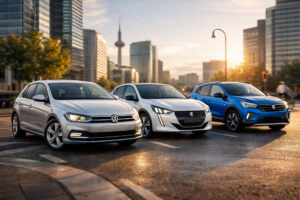
Leasing a car in Germany feels like scoring a bargain. That €270 monthly rate for a shiny new Cupra Born? A steal compared to coughing up €43,000 cash. You cruise through Berlin streets in a vehicle you could never afford to buy, smugly telling yourself you’ve outsmarted the system. Three years later, you hand back the keys, ready for your next ride. Except the final invoice arrives, and suddenly that “cheap” lease cost you thousands more than buying outright would have.
This scenario plays out across Germany daily. The German leasing market thrives on a simple illusion: low monthly payments equal affordability. But peel back the layers, and you discover a financial product designed to separate you from your money while leaving you with nothing to show for it. Let’s dissect why leasing often means paying premium prices for zero ownership.
The Hidden Cost Avalanche: What Your Lease Rate Doesn’t Cover
That advertised leasing rate is merely the tip of the iceberg. One German driver analyzed their true costs and found the monthly payment was just the beginning. Add €50, 120 for Kfz-Versicherung (car insurance) depending on your Schadenfreiheitsklasse (no-claims class), plus maintenance, inspections, and the inevitable Rückgabekosten (return fees). Suddenly your €270 lease balloons to €400+ monthly.
Car subscription providers like Carvolution capitalize on this transparency gap. Their CEO bluntly states: “Wer heute noch least, zahlt oft drauf” (Anyone who still leases today often pays extra). Unlike traditional leasing where Versicherung, Steuern, Service und Reifen (insurance, taxes, service, and tires) cost extra, subscriptions bundle everything into one price. The difference? Leasing companies profit from your administrative burden and cost miscalculations.
The math stings. A Volkswagen Golf with a list price of €46,250 might lease for €195/month over 24 months plus €1,390 transfer fees, totaling €6,070. To make buying more economical, you’d need to sell that car after two years for at least €41,570. Check any German used car portal: three-year-old Golfs with 20,000 km rarely command such prices. The depreciation hits harder than the lease payments, but at least buyers retain some equity. Lessees? They’re left with an empty driveway and lighter pockets.
The Kilometer Mafia: How Mileage Limits Bleed You Dry
German lease contracts obsess over Kilometerleistung (mileage performance). Agree to 10,000 km annually, thinking that’s plenty? Many drivers discover too late they’ve underestimated their actual usage. Each extra kilometer costs €0.10, 0.20, turning that weekend trip to the Bavarian Alps or spontaneous run to IKEA into expensive mistakes.
The psychological trap is clever. Lower mileage allowances mean cheaper advertised rates, so you pick 10,000 km to secure that tempting €169/month Seat Arona deal. But life happens. Your job moves to a different Stadt (city), your child starts football training across town, or you discover weekend escapes to the Harz mountains. By year three, you’re 5,000 km over, owing an extra €750.
Smart drivers analyze their Fahrprofil (driving profile) beforehand, adding a 2,000, 3,000 km buffer. But leasing companies count on your optimism. They profit when you sign for 10,000 km knowing you’ll likely drive 15,000. It’s a calculated bet where the house always wins.
Restwertleasing: Gambling With Your Future Wallet
Among the riskiest lease types is Restwertleasing (residual value leasing). Here, the dealer estimates the car’s value at contract end. If the actual market value falls below this fantasy number, you pay the difference. Given how quickly Elektroautos (electric cars) depreciate, losing 50% in three years versus 37% for petrol cars, this is financial Russian roulette.
Imagine your contract assumes a €20,000 Restwert (residual value) after three years. But due to a new model release or battery technology advances, your car is only worth €16,000 at return. You owe €4,000 for a vehicle you never owned. The leasing company transfers all depreciation risk to you while they pocket guaranteed profits.
Kilometerleasing (mileage leasing) offers slightly more predictability. You prepay for kilometers, exceed them and you pay extra, stay under and you might get a refund. Yet even this model builds in profit margins that favor the lessor, not you.
The Ownership Void: Why Zero Equity Is the Real Killer
The fundamental problem with leasing transcends fees and mileage: you build zero Eigentum (ownership). After 48 months and €12,960 in payments, you own nothing. A buyer who financed the same car has paid down principal and owns an asset worth perhaps €20,000, 25,000, even after depreciation.
This matters especially in Germany’s Elektroauto transition. Leasing lets you test EVs without commitment, avoiding Restwertrisiko (residual value risk) on rapidly evolving battery technology. But once you’ve tested and decided, continuing to lease becomes expensive cycling. A purchased EV after the Abzahlung (payoff) costs only insurance, electricity, and minimal maintenance, often under €150/month.
The psychological appeal is undeniable. “Every three years a new car” sounds luxurious. But financially, it’s like renting an apartment for 30 years instead of buying. You’ve paid enough to purchase the property twice over, yet have nothing to show for it.
When Leasing Actually Makes Sense (The Rare Exceptions)
Leasing isn’t universally evil. For Gewerbekunden (commercial customers), it offers tax advantages and simplified accounting. If your business can deduct lease payments and you need fleet flexibility, the math works differently.
Private individuals might benefit in specific scenarios. Found a leasing factor below 0.7 (monthly payment divided by list price)? That’s approaching genuine value. One driver secured a Seat Arona for €169/month including all options because they caught a manufacturer promotion. Another pays €200/month for a €40,000 car including insurance and maintenance, beating most financing options.
The key is treating leasing as a calculated exception, not default. If you drive predictable kilometers, maintain cars impeccably, and can snag a promotional rate, leasing competes with ownership. But for the average German driver, these conditions rarely align.
The Subscription Revolution: Why “Abonnieren” Beats Leasing
German mobility startups have recognized leasing’s flaws. Companies like FINN and Carvolution offer Auto-Abos (car subscriptions) where the monatlicher Fixpreis (monthly fixed price) includes insurance, taxes, service, tires, and registration. No hidden costs, no Restwertrisiko, and often monthly cancellable after a minimum term.
The difference is stark. Traditional leasing requires you to arrange Versicherung (insurance), coordinate Wartung (maintenance), store winter tires, and pray you don’t scratch the bumper before Rückgabe (return). Subscriptions handle everything. You pay, you drive, you return. It’s leasing without the traps.
This model particularly suits Stadt-Residents (city residents) who might need a car for only 6, 12 months. Traditional leasing locks you into 36, 48 months with punitive Kündigungskosten (termination costs). Subscriptions offer genuine flexibility, something German consumers increasingly demand.
Financial Reality Check: The True Cost Comparison
Let’s compare real numbers for a €35,000 electric car:
Leasing (36 months):
– Monthly rate: €350
– Insurance: €80
– Maintenance: €30
– Return fee reserve: €15
– Total: €475/month = €17,100 over 3 years
– Equity: €0
Financing (36 months):
– Monthly payment: €600
– Insurance: €80 (decreases over time)
– Maintenance: €30
– Total: €710/month = €25,560 over 3 years
– Remaining principal: ~€12,000
– Car value: ~€17,500
– Net equity: €5,500
The financed car costs more monthly but leaves you with a €5,500 asset. The leased car leaves you with nothing, except the need to lease again.
Actionable Advice: How Germans Should Choose
Before signing any leasing Vertrag (contract), answer these questions honestly:
-
Can you afford the full cost? Multiply the rate by 1.4 to estimate true monthly costs including insurance, maintenance, and buffer for return fees.
-
Is your mileage predictable? If you drive more than 15,000 km annually or have unstable life circumstances, leasing becomes expensive.
-
Will you return it in showroom condition? Every scratch, every missing floor mat triggers deductions. If you’re not meticulous, budget an extra €500 for Rückgabe.
-
Have you compared financing? Use a Kreditrechner (loan calculator) to see actual monthly payments. Often the difference is smaller than leasing marketing suggests.
-
Consider a Jahreswagen (year-old used car): These nearly-new cars with minimal kilometers often sell for 20% below list price. Buy one, keep it five years, and you’ll likely spend less than any lease cycle.
For most German drivers, the old saying holds: “Kaufen ist billiger als leasen” (Buying is cheaper than leasing). The exceptions prove the rule. Unless you find that magical 0.3 leasing factor promotion or need a car for exactly 24 months with predictable usage, your wallet will thank you for buying.
The next time a dealer flashes that tempting “nur €199 pro Monat” (only €199 per month) sign, remember: they’re not selling you affordable mobility. They’re selling you the illusion of it, and invoicing the reality later.