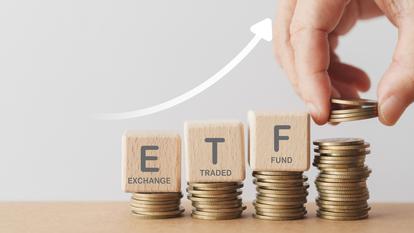
Your mechanic mentions his PEA (Plan d’Épargne en Actions, the French stock savings plan). Your cousin explains DCA (Dollar Cost Averaging) at a family dinner. The barista asks about ETF (Exchange Traded Fund) performance. Sound familiar? You’re not alone. Many French residents report the same experience, leading to a provocative question: is this the 2025 version of the 1929 shoeshine boy giving stock tips?
The anecdote about Joseph Kennedy selling his portfolio after hearing investment advice from a shoeshine boy has become the ultimate bubble indicator. When everyone invests, it’s time to exit. But here’s the twist: the data tells a more nuanced story about France’s relationship with investing.
The Perception vs. Reality Gap
The feeling that “everyone” is investing is strong. One discussion thread captured this sentiment perfectly: “Ces derniers temps avez-vous, comme moi, le sentiment que tout le monde se met à la bourse?” (Have you recently felt, like me, that everyone is getting into the stock market?)
Yet Insee (the French National Institute of Statistics and Economic Studies) data reveals only 9.6% of French people hold a PEA or CTO (ordinary securities account). That’s not everyone, it’s not even one in ten. The perception stems from a powerful cognitive bias: we surround ourselves with financially literate people, creating an echo chamber.
The numbers do show explosive growth in specific areas. During Q2 2024, 266,000 French investors bought at least one ETF, a fourfold increase since 2019. BlackRock’s People & Money 2025 study reports a 117% jump in French ETF holders in 2025 alone, calling it a record European increase. Among investors under 35, one in two now uses ETFs.
The PEA: France’s Quiet Revolution
The PEA deserves special attention. Created to encourage long-term equity investment, it offers tax exemption on gains after five years. The research shows fierce competition among providers:
- Trade Republic entered the French market in January 2025 with €1 commissions and zero-fee programmed investments
- XTB launched its PEA in April 2025 with 0% commission on volumes up to €100,000 monthly
- Saxo Banque provides access to 40+ international ETFs with zero purchase fees
- Fortuneo offers one free order monthly under €500
This fee war democratizes access but also raises questions. When investing becomes cheaper than a coffee, does it encourage thoughtful allocation or reckless speculation?
Total PEA assets reached €115 billion across approximately 5 million contracts in 2024. That sounds substantial until you compare it to assurance-vie (life insurance) at €2,000 billion with 50 million contracts. The French still prefer traditional products, but the gap is narrowing.
The Crypto Paradox: The Real Shoeshine Signal?
Here’s where the bubble warning might actually flash. An AMF (Autorité des Marchés Financiers, France’s financial regulator) study found that half of new French investors hold crypto-assets, compared to 25% of traditional investors. For many newcomers, crypto, not stocks, represents their first “financial asset” beyond cash.
This mirrors the shoeshine boy story more closely than ETF discussions. When the conversation shifts from investment fundamentals to speculative assets, warning bells should ring. Crypto’s volatility and complexity make it a poor entry point, yet its cultural penetration suggests a FOMO-driven market.
Fee Wars and Platform Proliferation
The research reveals intense competition driving costs down:
HelloMonnaie’s comparison shows PEA opening fees capped at €10 by regulation, but most online brokers charge nothing. Custody fees legally max at 0.4% of portfolio value or €5 per line, yet leading platforms waive them entirely.
This race to zero mirrors patterns seen in the US before the dot-com crash. When providers prioritize user acquisition over profitability, it often signals market peak. However, in France’s case, it may simply reflect delayed modernization of financial infrastructure.
The Livret A Mentality Meets Global Diversification
France’s investment culture has long favored Livret A (a regulated savings account) and assurance-vie in euro funds, safe, predictable, low-return products. The shift toward MSCI World ETFs and CAC 40 trackers represents genuine financial education progress.
The performance data is compelling. The CW8 ETF (MSCI World) multiplied by 7 since 2009, from €80 to over €600. The CAC 40 delivered 9% annualized returns over 35 years with dividends reinvested. These aren’t speculative fantasies, they’re legitimate long-term wealth builders.
Are We in Bubble Territory? Three Key Indicators
1. Participation Rate
Verdict: Not a bubble
9.6% market participation is low by developed country standards. Germany has double the rate, Anglo-Saxon countries even higher. France has room for growth.
2. Asset Allocation
Verdict: Caution warranted
While ETF growth is strong, French households still hold €3,900 billion in interest-bearing products versus only €250 billion in listed equities. The reallocation has barely begun. However, the crypto skew among new investors is concerning.
3. Behavior Patterns
Verdict: Mixed signals
The surge in DCA (Dollar Cost Averaging) strategies and passive investing suggests maturity. But the proliferation of “get-rich-quick” trading courses and social media influencers peddling complex derivatives points to euphoria in subsegments.
What French Investors Should Actually Do
Rather than timing the market based on dinner conversation frequency, focus on fundamentals:
1. Verify your bubble exposure
If your social circle is discussing ETF World allocations and PEA tax optimization, you’re in a financially literate bubble, not necessarily a market bubble. Check national statistics for perspective.
2. Beware the crypto gateway
If your first investment was crypto, pause before chasing the next shiny token. The AMF found crypto is the first “financial asset” for many new investors, a risky foundation.
3. Leverage the fee war wisely
Use platforms like Trade Republic or XTB for their zero-commission features, but don’t trade more just because it’s cheap. The best investment is often the one you don’t make.
4. Remember the PEA’s purpose
The five-year tax exemption encourages long-term holding. If you’re day trading within a PEA, you’re missing the point and likely overtrading.
5. Diversify beyond the echo chamber
French investors overconcentrate in European assets. Use PEA-eligible international ETFs to capture global growth, but don’t neglect traditional assurance-vie for estate planning advantages.
The Bottom Line
The shoeshine boy anecdote warns when everyone invests. In France, we’re not there yet. What we’re seeing is the financialization of savings (transformation of savings into financial assets) that Anglo-Saxon markets completed decades ago.
The real risk isn’t a 1929-style crash triggered by universal participation. It’s that new investors, lured by zero fees and crypto hype, lack the patience to weather inevitable corrections. The 4x growth in ETF investors since 2019 will face its first serious test during the next downturn.
Your cousin’s ETF knowledge isn’t the bubble signal. The signal is whether he’ll hold or panic-sell when markets drop 20%. That’s the difference between democratization and speculation.
For now, the data suggests France is maturing, not bubbling. But as any good French wine enthusiast knows, the best vintages require patience. The same applies to investing.