That ‘Free’ Trade Republic ETF Trade Just Cost You 1.1%: The Hidden Execution Tax
When a €7.39 ETF suddenly executes at €7.47, German investors discover the uncomfortable truth about discount brokers’ hidden revenue streams.

You check your Trade Republic app. The Invesco FTSE All-World shows €7.39. You place your Sparplan (savings plan) order. The confirmation arrives: executed at €7.47. That €0.08 difference isn’t a rounding error, it’s a 1.1% execution premium that vaporized €8 of your €1,000 investment before the market even had a chance to move.
This isn’t a hypothetical scenario. It happened to German investors in early March, and it reveals the uncomfortable mechanics behind Europe’s most popular discount broker.
The Math That Doesn’t Add Up
A detailed analysis of tick data from the LS Exchange (Lang & Schwarz Exchange) showed the highest ask price between 15:55 and 16:00 CET was €7.391. The average hovered around €7.38. Yet Trade Republic executed a massive block of 269,886 shares at €7.47, nearly €0.08 above the highest quoted price available on the exchange.
For context, that’s like paying €50 for a Deutsche Bahn ticket that displays €45 at the kiosk. The difference? Deutsche Bahn would face immediate consumer protection investigations. For neobrokers, it’s just another Tuesday.
How “Free” Actually Works
Trade Republic built its empire on radical transparency about fees: €1 per stock trade, zero commissions on ETF-Sparpläne, and a slick app interface that makes investing feel like ordering pizza. But the fee schedule is only half the story.
The broker’s revenue model relies on two less-visible streams:
1. Payment for Order Flow (PFOF)
Trade Republic receives compensation for routing orders to specific market makers. While this practice remains legal in Germany until the EU ban takes effect in 2026, it creates inherent conflicts. The broker isn’t incentivized to find you the best price, it’s incentivized to route to the partner paying the highest rebate.
2. Spread Capture
The difference between the bid and ask price isn’t just market noise. When Trade Republic aggregates thousands of Sparplan orders into single massive blocks, the execution price can drift significantly from the quoted price you see in the app. That drift often favors the market maker, not you.
The Liquidity Mirage
Defenders of the system argue the €7.47 execution reflects legitimate market dynamics. A 269,886-share order represents roughly €2 million. In less-liquid ETFs, even one tracking the FTSE All-World, such size can move the market.
But here’s the problem: liquid ETFs shouldn’t have 1.1% spreads during Xetra trading hours. The fact that smaller orders executed at €7.39 while the aggregated block hit €7.47 suggests Trade Republic’s order handling, not market conditions, drove the premium.
Many international residents report similar experiences with large block executions in major German cities, despite Germany’s reputation for efficiency. The aggregation of retail orders into institutional-sized blocks introduces a hidden cost that individual investors never see until they scrutinize their confirmations.
The Regulatory Blind Spot
German investors have recourse, but it’s not obvious. Rather than complaining to Trade Republic’s notoriously difficult-to-reach Kundenbetreuung (customer service), you can contact the Handelsüberwachungsstelle (trading surveillance office) at huest@boersenag.de for LS Exchange issues.
The Handelsüberwachungsstelle provides responses from actual humans, something Trade Republic’s chatbot-driven support can’t match. Yet most investors don’t know this option exists, which suits brokers just fine.
The 2026 Ticking Clock
The EU’s PFOF ban arrives in 2026, forcing Trade Republic to reinvent its revenue model. Finanztip analysts note the broker may need to raise fees or introduce new charges. But the execution price issue reveals a deeper problem: even without PFOF, the business model depends on scale and order flow efficiency that may not align with individual investor interests.
This creates a paradox. The very aggregation that makes commission-free trading possible, bundling thousands of €50 Sparplans into million-euro blocks, is what creates the execution slippage that costs you more than a transparent €3 commission would.
The Competition Isn’t Much Better
Trade Republic isn’t alone in this game. The entire German neobroker market faces similar pressures.
Comdirect Pure Depot fee structures and broker pricing wars shows how traditional banks are slashing prices to compete, often with even murkier cost structures.
Meanwhile, Flatex micro-fees and hidden cost controversy exposure demonstrates how established players hide costs in plain sight, charging for real-time data that most investors assume is free.
Even the Sparkassen are joining the race. Sparkassen S-Neo competing with Trade Republic and neobrokers reveals how Germany’s savings banks, traditionally the epitome of conservative banking, now mimic the neobroker playbook. The German banking system operates with the same efficiency as a Deutsche Bahn train, usually impeccable, until there’s construction on the line. Right now, that construction is called zero-fee trading, and the tracks are buckling under hidden costs.
What You Can Actually Do
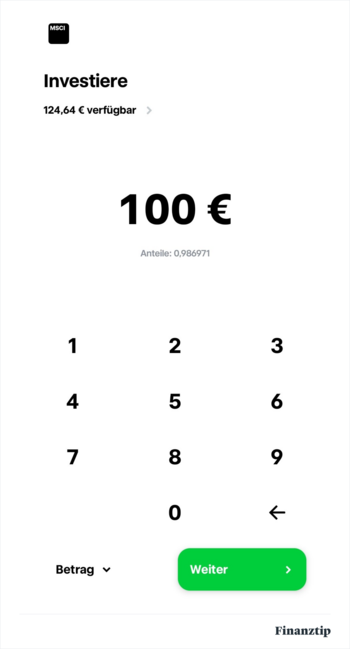
- Use Limit Orders: Always set a maximum price for ETF purchases. Trade Republic’s “Betrag” (amount) order type gives you convenience but sacrifices price control.
- Time Your Trades: Execute during peak liquidity hours (9:00-17:30 CET) when spreads are tightest. Avoid the early morning and late evening windows when market makers have less competition.
- Check Your Confirmations: Don’t just glance at the app notification. Download the official Wertpapierabrechnung (securities confirmation) and compare the Ausführungskurs (execution price) to independent price sources.
- Split Large Orders: If you’re investing more than €10,000, consider breaking it into smaller trades across different days to avoid moving the market against yourself.
- Direct Your Complaints Properly: For execution issues, skip the broker and go directly to the exchange’s Handelsüberwachungsstelle. They have actual enforcement power.
The Bottom Line
Trade Republic’s €1 trades aren’t free, they’re just paid through a different mechanism. The 1.1% execution premium on that FTSE All-World ETF cost investors more than a traditional broker’s transparent commission would have.
The real issue isn’t dishonesty, it’s complexity. The modern German brokerage market has become so sophisticated in its cost structures that even diligent investors struggle to identify where their money goes. When your “free” trade costs more than a paid alternative, it’s time to question whether the fintech revolution is delivering on its promises, or just hiding the bill better than the old banks ever did.
Until the EU’s regulatory changes force true transparency, German investors need to become their own Handelsüberwachungsstelle, scrutinizing every confirmation with the precision of a tax auditor at the Finanzamt. Your portfolio will thank you.