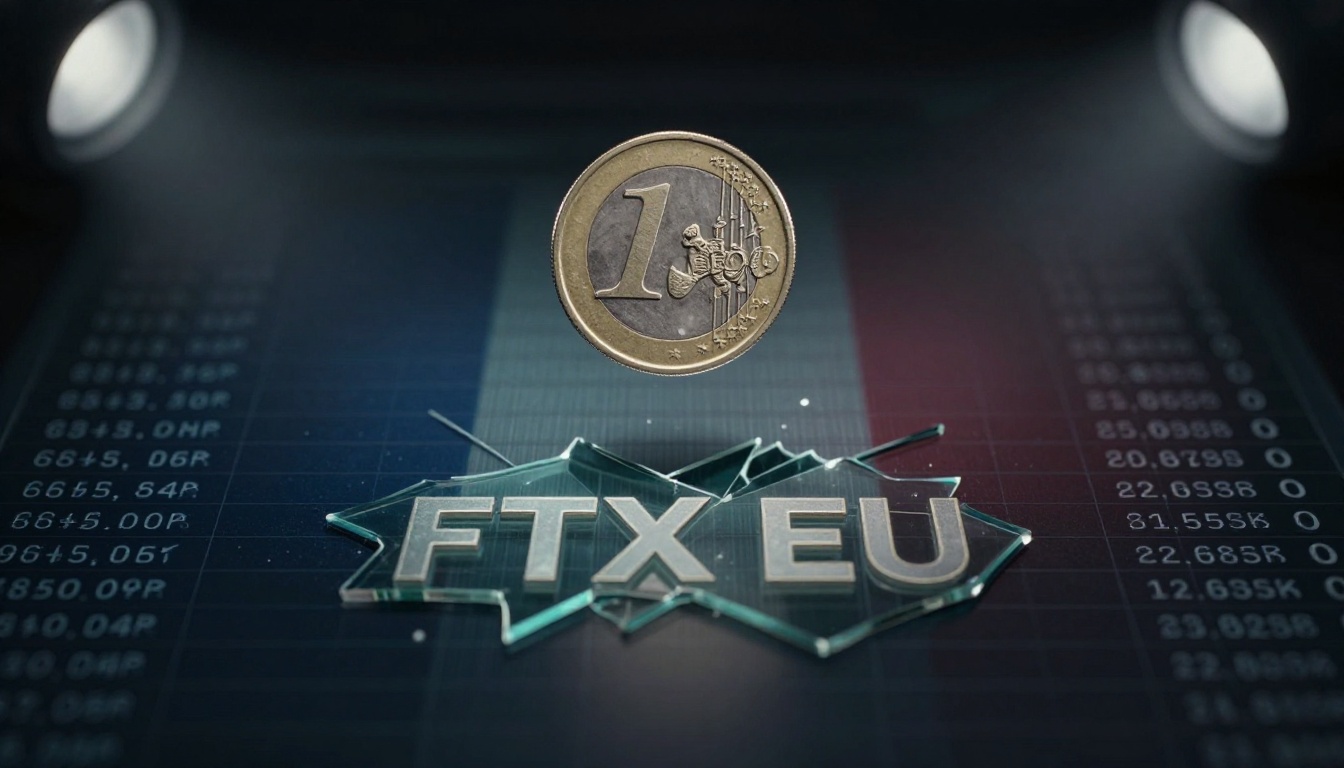
Three years after the spectacular collapse of FTX, a surprising development is unfolding for European creditors. While Sam Bankman-Fried serves his 25-year sentence, French and EU-based investors are finally seeing their money return, albeit partially and with a few catches. The irony? The very same corporate shell that once housed FTX Europe is now processing these repayments under a new name, while its founder continues to deny reality from behind bars.
The Payouts Are Real, But Not Equal
European FTX users with balances in euros are reporting recovery of up to 95% of their original holdings. This is a significantly better outcome than what international creditors face, highlighting a crucial advantage of having a European account (compte européen) versus an international one. The liquidation procedure (procédure de liquidation) for FTX EU appears to have preserved more value, though the process has been anything but swift.
One user reported receiving their funds within 24 hours of withdrawal approval, with Revolut asking standard questions about the source of the transfer. Another confirmed a similar timeline with Fortuneo, noting no additional documentation was requested. The prevailing sentiment among those who’ve been paid is relief mixed with frustration about the timeline, simple procedures, but executed at a glacial pace.
The Fee Structure That Catches Many Off Guard
Here’s where French financial precision meets crypto chaos. The withdrawal fees (frais de retrait) are fixed and tiered:
- €8 for balances up to €2,000
- €13 for balances between €2,000 and €50,000
- €3 + 0.15% (capped at €353) for balances exceeding €50,000
For someone recovering a modest €1,700, that €13 fee represents a 0.76% haircut. Not devastating, but after three years of uncertainty, every euro counts. The fee structure is transparent but non-negotiable, take it or leave it. For larger creditors, that 0.15% can add up, though the €353 cap provides some protection.
Backpack Exchange: FTX Europe’s Corporate Ghost
The entity handling these payouts is Trek Labs Europe LTD, operating as Backpack Exchange. This is the same legal entity that once was FTX EU LTD, now under new management. The acquisition by former FTX and Alameda Research employees raises eyebrows, particularly when they prompt users to create new accounts on their platform during the withdrawal process.
Many investors report receiving invitations to join Backpack Exchange at the moment of payout. The reaction has been consistent: “Jamais de la vie” (never in a lifetime). The trust deficit is enormous, and rightly so. While the team claims to be building a “compliance-first” exchange, the optics of former FTX insiders running the show are terrible.
The connection is impossible to ignore. Backpack’s CEO, Armani Ferrante, worked at Alameda Research. Co-founder Tristan Yver is an FTX alumnus. They’ve even hired Can Sun, FTX’s former general counsel. For French regulators at the Autorité des marchés financiers (AMF) and the Autorité de contrôle prudentiel et de résolution (ACPR), this team is under intense scrutiny.
From Prison, SBF Rewrites History
Sam Bankman-Fried’s recent statements from prison add a layer of dark comedy to the situation. He now claims FTX “never went bankrupt” and that his lawyers filed a “fraudulent bankruptcy” to pillage the company. This contradicts every official record and court finding, yet he’s doubling down.
The reality is starkly different. French and EU investors are only getting 95% back because the liquidation process has been methodical and (relatively) transparent. SBF’s claims that the exchange was solvent ignore the fact that customer funds were illegally commingled with Alameda Research’s trading operations. The European payout process is happening despite his management, not because of it.
What This Means for French Crypto Strategy
For residents in France navigating crypto investments, this saga offers several concrete lessons:
1. Exchange jurisdiction matters. European-licensed entities like FTX EU are subject to different liquidation rules than offshore exchanges. While this didn’t prevent the collapse, it has led to better recovery rates. When choosing where to trade, consider whether the platform has a European license (licence européenne) and what that actually protects.
2. Keep records of everything. French tax authorities will want documentation of these payouts. The DGFiP (Direction Générale des Finances Publiques) treats crypto gains and losses seriously. Keep your withdrawal confirmations, fee receipts, and any correspondence with the liquidator. You’ll need this for your déclaration de revenus (income tax return).
3. Don’t trust, verify. The Backpack Exchange situation demonstrates why French investors should be skeptical of platforms with murky leadership histories. The geopolitical risks of holding assets with foreign brokers apply equally to crypto exchanges. Just because an entity has a European address doesn’t mean it’s managed according to European values of transparency.
4. Consider self-custody. For amounts you don’t need for active trading, moving crypto to your own wallet remains the safest option. French law recognizes self-custody, and while you lose the convenience of instant trading, you gain protection from exchange collapses.
The Bigger Picture: Crypto Regulation in France
The FTX EU case is influencing French regulatory thinking. The AMF has been pushing for stricter oversight of crypto service providers, and this real-world example of cross-border liquidation complexities strengthens their position. France’s upcoming crypto regulations under the Markets in Crypto-Assets (MiCA) framework will likely require even stronger segregation of client funds.
For now, French investors who held euros on FTX EU are getting most of their money back. Those who held crypto assets directly face more uncertainty, as those are being handled through the main FTX liquidation in the US. The distinction is crucial and often misunderstood.
Action Steps for Affected French Residents
If you held funds on FTX EU and haven’t yet claimed:
-
Check your account type. European vs international accounts use different claim portals. The European process goes through Backpack’s system, while international claims go through claims.ftx.com.
-
Prepare your documentation. You’ll need proof of identity, proof of address (justificatif de domicile), and your original FTX EU account details.
-
Calculate your net recovery. Factor in the withdrawal fees to understand your true recovery rate. For tax purposes, you may be able to deduct these fees as investment expenses.
-
Watch for phishing. Scammers are targeting FTX creditors with fake recovery emails. Only use the official Backpack Exchange portal for European accounts.
-
Update your French tax planning. Consult a fiscaliste (tax advisor) familiar with crypto if your recovery amount is significant. The timing of the payout could affect your 2026 tax situation.
The FTX saga is far from over, but for European creditors, the end is finally in sight. The payouts prove that regulatory jurisdiction matters, even in the wild west of crypto. Just don’t expect Sam Bankman-Fried to admit it.