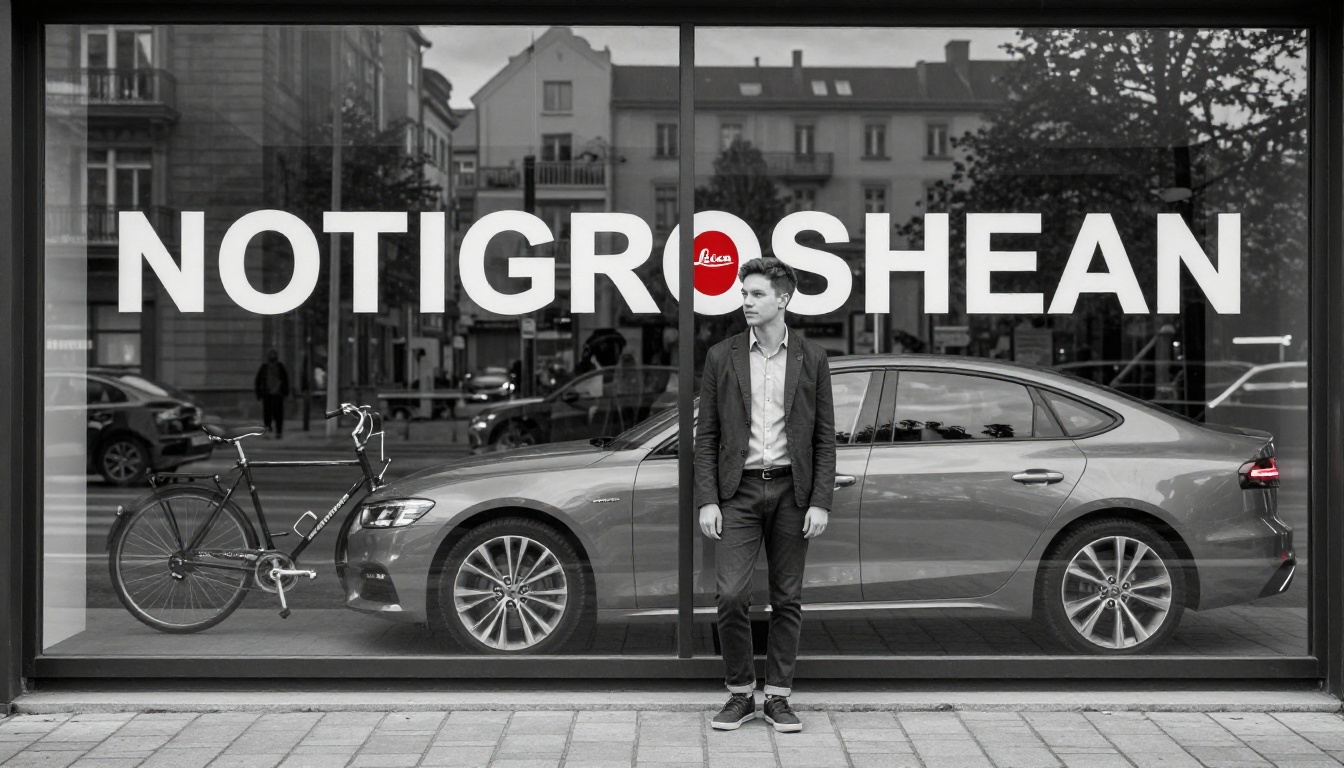
That first permanent salary hits your account and suddenly, adulthood feels real. A 26-year-old project manager in Germany recently faced this exact moment: €3,500 saved, a small investment portfolio, and a burning question, how much should he have before buying a €15,000 car? The answer from German financial circles was unanimous and brutal: not nearly enough.
The Emergency Fund Reality Check: Why €3,500 Is a Tightrope, Not a Safety Net
German financial advisors hammer one principle above all: the Notgroschen (emergency fund). This isn’t optional, it’s the foundation everything else builds on. For a young professional planning to move into a larger apartment with his partner, each budgeting €650 for rent, the math gets uncomfortable fast.
A proper emergency fund in Germany means three to six months of all expenses. Not just rent, but everything: Kaltmiete (cold rent), Nebenkosten (utility costs), groceries, insurance, phone, and that mandatory GEZ (broadcasting fee) that finds you even if you live in a cave. With projected housing costs of €650 each plus living expenses, our project manager would need at least €3,000-€4,000 just for himself to weather a job loss or unexpected crisis.

The 30% Rule: When Your Car Owns You
One particularly disciplined voice in the discussion introduced a hard rule: never spend more than 30% of your net worth on a car. For a €15,000 vehicle, that means accumulating €50,000 in assets first. Another approach suggested limiting car purchases to six months’ salary, a more aggressive but still prudent guideline.
These aren’t arbitrary numbers. They reflect a harsh truth: cars are Vermögensvernichtungsmaschinen (wealth destruction machines) that bleed money from the moment you sign. The psychological burden matters too. As one experienced professional noted, after 15 years of car ownership, even with ample income, the financial drain simply became too much to justify.
The €300 Monthly Lie: True Costs of German Car Ownership
Here’s where German bureaucracy reveals its expensive teeth. Most first-time buyers budget for the purchase price and fuel, then stop. This is financial suicide. The real monthly costs include:
- Kfz-Versicherung (car insurance): €80-150/month for a young driver
- Steuer (vehicle tax): €20-50/month depending on emissions
- Parken (parking): €50-150/month in any German city center
- Wartung und Reparaturen (maintenance and repairs): €50-100/month averaged
- Tanken (fuel): €100-200/month
- TÜV (inspection) and unexpected costs: €20-30/month averaged
Total: easily €300-500 monthly before you’ve driven a single kilometer. This aligns with data showing hidden and often underestimated costs of car ownership in Germany where drivers consistently underestimate expenses by 50% or more.
Our project manager currently commutes comfortably by train. Adding a car wouldn’t just strain his savings, it would cannibalize his monthly budget for investments and that planned move to a larger apartment.
The Investment Opportunity Cost You’re Really Paying
The most expensive part of buying a car too early isn’t the purchase price, it’s what you stop doing instead. Our project manager already holds a small portfolio and plans to invest €300 monthly into ETFs, likely a MSCI World or FTSE All-World tracker. This is exactly the right instinct.
Pause those contributions for two years to save for and pay off a car, and you don’t just lose the €7,200 in contributions. You lose the compounding. At an average 7% return, that two-year delay could cost €50,000-€100,000 in future wealth. The importance of early investing milestones and building wealth over time cannot be overstated, your first €10,000 is the hardest and most crucial.
One commenter wisely advised ditching individual stocks for broad ETFs until building substantial wealth. This is precisely the strategy that turns modest monthly contributions into serious assets. Diverting this cash flow to a depreciating car is like choosing a Schatzkiste (treasure chest) with a hole in the bottom.
German Alternatives That Actually Work
Germany’s infrastructure offers genuine alternatives. The Deutsche Bahn network, despite its reputation for delays, covers most professional commutes reliably. For weekend trips to visit family or vacation travel, Mietwagen (rental cars) and car-sharing services like Stadtmobil provide flexibility without fixed costs.
One commenter living in a 10,000-person town noted he was considering selling his car entirely to save money, having driven 180,000km and realized the expense no longer justified the convenience. In urban areas with good ÖPNV (public transport), owning often makes little financial sense.
The financial value of remote work, including savings on transportation and car use further strengthens the case against early car ownership. If your job allows even partial remote work, the commute justification weakens significantly.
The Realistic Roadmap to That €15,000 Car
- Build your Notgroschen: 3-6 months expenses in a Tagesgeldkonto (daily interest account)
- Secure housing: Complete your planned move and stabilize housing costs
- Maximize employer benefits: Negotiate any betriebliche Altersvorsorge (company pension) matches
- Invest systematically: Establish your €300/month ETF plan and let it run
- Save for the car separately: Open a dedicated savings account and target €500/month
- Consider sharing costs: Since your partner will use the car, plan a 50/50 split
At this rate, you’d reach €7,500 each in 15 months, making the €15,000 car a reasonable purchase that doesn’t derail your financial foundation. By then, your emergency fund is solid, your investments are compounding, and your housing is stable.
Final Verdict: Patience Pays in German Finance
German financial culture prioritizes security over speed for good reason. The Finanzamt (tax office) will take its share, insurance is mandatory, and life throws expensive curveballs. Buying a car before establishing a proper Notgroschen isn’t just risky, it’s the fastest way to turn your first taste of financial freedom into a debt spiral.
That €15,000 car will still be there in 18 months. Your opportunity to build wealth? That window is closing every month you delay. The train commute works. Your savings need to grow. And in Germany, the person who waits is often the person who wins.
Bottom line: Fill your emergency fund, secure your housing, start your ETF-Sparplan (ETF savings plan), then save for the car. The order isn’t sexy, but in Germany, it’s the difference between financial stability and years of playing catch-up.