
When your health insurance provider announces yet another contribution increase, the polite German response is usually quiet acceptance. But 2026 is different. The wave of Zusatzbeitrag (supplementary contribution) hikes hitting mailboxes across Germany has triggered something unprecedented: a coordinated member revolt that threatens to reshape the entire statutory health insurance landscape.
The numbers tell a stark story. The average Zusatzbeitrag has jumped from 2.5% to 2.9% in 2026, with 35 out of 72 Krankenkassen raising rates at the start of the year. For a worker earning €3,000 gross monthly, that’s an extra €90 per year out of pocket. Multiply that across Germany’s 74 million public health insurance members, and you’re looking at a seismic shift in household budgets.
The Breaking Point: When Loyalty Finally Costs Too Much
For decades, Germans have stuck with their Krankenkasse through thick and thin. The system practically encourages inertia, automatic deductions, that familiar insurance card, the bureaucratic hassle of switching. But the 2026 increases have pushed many past their breaking point.
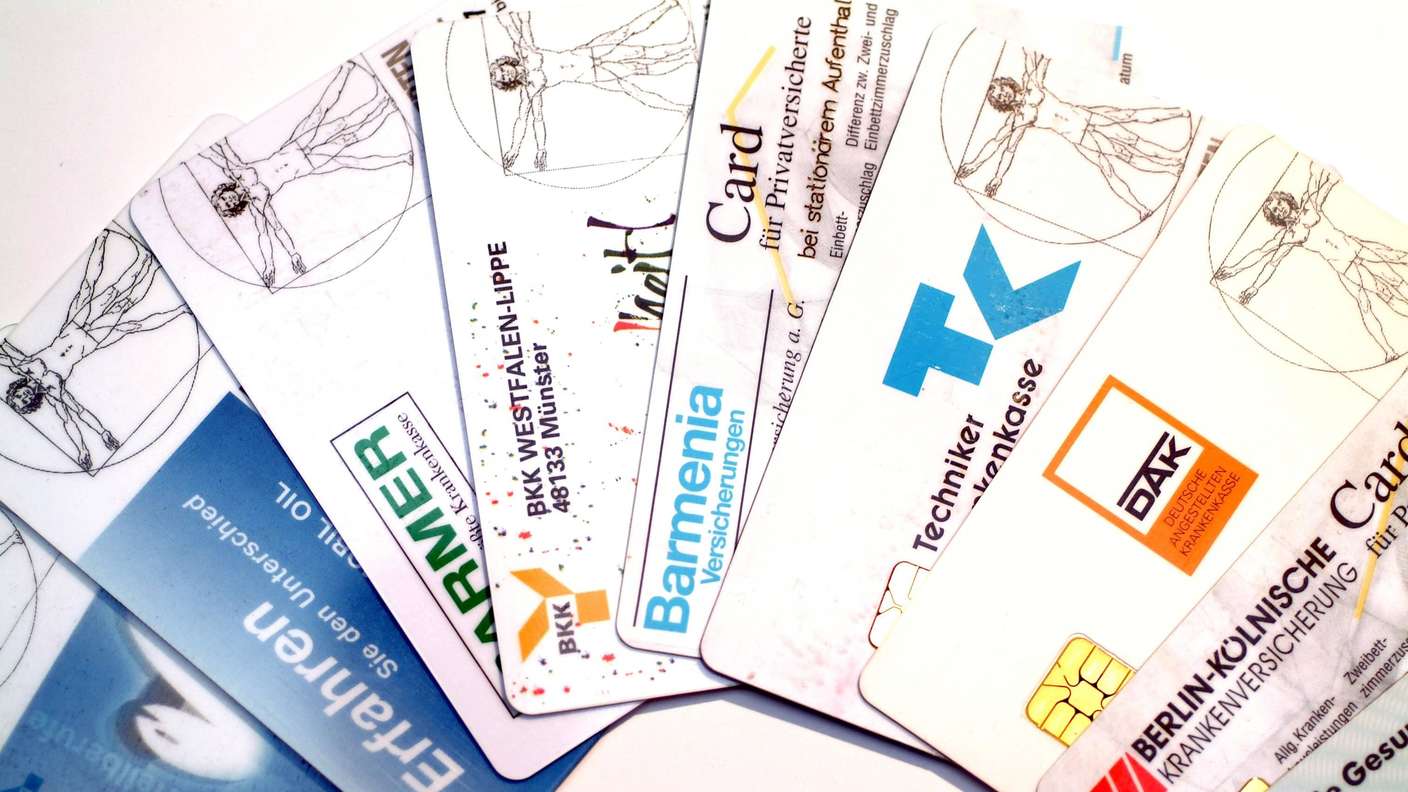
The DAK-Gesundheit raised its total contribution from 17.4% to 17.8%, while the Techniker Krankenkasse (TK) increased to 17.29%. Meanwhile, BKK Firmus holds steady at 16.78% with a Zusatzbeitrag of just 2.18%. The math is brutally simple: switching from DAK to BKK Firmus saves a single employee around €200 annually, while self-employed workers keeping the entire contribution burden can save over €500.
The Sonderkündigungsrecht: Your Secret Weapon
Most members don’t realize they have a powerful tool at their disposal. When your Krankenkasse raises the Zusatzbeitrag, you gain a Sonderkündigungsrecht (special termination right). This legal provision voids the usual 12-month binding period, allowing immediate switching regardless of membership duration.
The deadline is tight: if your new rate takes effect January 1, you must cancel by January 31. The switch itself happens two months later, typically April 1. Crucially, you must pay the higher contribution until the actual switch date, there’s no instant relief.
Consumer protection experts emphasize that you shouldn’t jump ship based solely on price. The Verbraucherzentrale (Consumer Center) warns that lower contributions mean higher taxable income, reducing the real savings effect. More importantly, Zusatzleistungen (additional benefits) vary dramatically between providers.
The Hidden Cost of Chasing the Lowest Price
BKK Firmus offers an attractive 2.18% Zusatzbeitrag and covers one professional dental cleaning annually through its DentNet network. But members report the service has limitations. The bonus program is described as “mühsam” (tedious) to extract value from, and the 2026 increase in dental cleaning subsidy to €100 still doesn’t cover a full treatment in many areas.
The DAK, despite its higher 3.2% Zusatzbeitrag, offers superior coverage in pregnancy and family services, earning 65% of performance points in independent comparisons. TK scores highest in service quality with 72% performance points and comprehensive digital offerings.
This creates a genuine dilemma: save money or get better service? Many international residents report that TK’s English-language support and streamlined digital processes justify the slightly higher cost, while others prioritize pure savings after experiencing years of contribution increases.
The Digital Switch: Easier Than Ever Before
The switching process itself has become remarkably frictionless. Your new Krankenkasse handles the Kündigung (cancellation) with your old provider automatically. No awkward phone calls, no certified letters, just fill out an online application, and the new insurer manages the entire transition.
The process typically takes under three minutes on platforms like gkv-zusatzbeitrag.de. Your new Gesundheitskarte (health insurance card) arrives by post, and ongoing treatments continue without interruption. This removal of bureaucratic barriers has accelerated the exodus.
Real Member Experiences: The Reddit Effect
Online communities have become information battlegrounds. Members share detailed spreadsheets comparing contributions, service quality, and bonus programs. One user calculated that switching from DAK to BKK Firmus after 23 years of loyalty would save €500 annually, admitting it “tat schon ein wenig weh” (hurt a little) to leave after such a long relationship.
Another member noted that many doctors’ families are insured with TK, suggesting insider knowledge about which Kassen truly deliver. The consensus emerging from these discussions: the cheapest option isn’t always the best value, especially when you factor in service responsiveness and claim processing efficiency.
The Kassen Response: Rate Freezes as Bait
Aware of the mounting frustration, some Krankenkassen are freezing rates to attract switchers. BKK Firmus publicly committed to maintaining its 2.18% Zusatzbeitrag through 2026, though members note it raised rates mid-year in 2025 and could do so again.
This creates a cat-and-mouse dynamic where Kassen compete on headline rates while potentially planning mid-year adjustments. The Knappschaft, historically one of the most expensive at 4.3%, actually reduced its rate slightly to 18.9% total contribution, a move that signals desperation to retain members in a tightening market.
What You Actually Need to Check Before Switching
Verbraucherzentralen across Germany advise members to look beyond the contribution percentage. Key differentiators include:
- Zahnreinigung (professional dental cleaning): Coverage ranges from €10 to €100+ annually
- Impfungen (vaccinations): Some Kassen cover all travel vaccinations fully, others cap at €300
- Osteopathie and Homöopathie: Coverage varies from €90 to €400+ annually
- Künstliche Befruchtung (fertility treatment): Additional subsidies range from €200 to €2,000
- Hebammenrufbereitschaft (midwife on-call service): Budgets from €100 to €600 per pregnancy
For families, the differences become even more significant. Some Kassen offer extensive Kinderzusatzleistungen (children’s additional benefits) covering U10, U11, and J2 screenings, orthodontic treatments, and even baby bonuses.
The 2026 Landscape: Who’s Raising Rates Most?
The variation in increases is striking. The Bergische Krankenkasse raised its Zusatzbeitrag by 0.84 percentage points, while TK’s modest 0.24-point increase reflects its stronger financial position. The Knappschaft’s unusual 0.1-point decrease shows even expensive Kassen must compete.
Over 90 statutory insurers create a confusing market. Comparison portals help, but consumer advocates warn they don’t always show complete or neutral overviews. Stiftung Warentest remains the gold standard for systematic comparison of contributions and benefits.
The Bottom Line: Calculate Your Personal Break-Even
Before switching, request written confirmation of specific benefits you need. If you require ongoing therapy or expensive medications, confirm in writing that your new Kasse will continue coverage without gaps.
Use the Finanztip calculator to determine your exact savings based on income. A worker earning €55,000 annually switching from a 4% Zusatzbeitrag Kasse to BKK Firmus saves €262 net after taxes. At €69,750 (the Beitragsbemessungsgrenze or contribution assessment ceiling), savings peak at €312 annually.
The Krankenkassen revolt isn’t just about anger, it’s about rational actors finally overcoming inertia in a system that rewarded loyalty with higher costs. The tools exist, the savings are real, and the process has never been easier. The only question is: will your Kasse be the next to lose members to the great 2026 exodus?
Action steps:
1. Check your current Zusatzbeitrag and compare it to the 2026 rates
2. Calculate potential savings using your exact gross income
3. Verify that your required Zusatzleistungen are covered by cheaper alternatives
4. If your Kasse raised rates, exercise your Sonderkündigungsrecht before January 31
5. Apply to your chosen new Kasse and let them handle the cancellation
The revolution is here, and it’s being processed through digital application forms.