Neo-Broker Fee Shock: How Germany’s ETF Revolution is About to Get More Expensive
Your free ETF trading days are numbered. While you’ve been busy setting up your ETF-Sparplan (ETF savings plan) on Trade Republic or Scalable Capital, German neo-brokers have been scrambling to replace a dying revenue stream. The result? A behind-the-scenes battle that could quietly inflate the costs of your supposedly “cheap” ETFs.
The European Union’s ban on Payment for Order Flow (PFOF) takes effect June 30, 2026, ripping away the business model that let neo-brokers offer commission-free trading. Now, these platforms are doing something once considered unthinkable: demanding that ETF providers share their management fees through so-called Bestandsprovisionen (holding commissions).
Figure: Potential Neo Broker Fee Increases Due to Regulatory Shifts – Schnell mal einen ETF kaufen noch kostet es wenig

The BaFin (Federal Financial Supervisory Authority) has confirmed these attempts, and industry experts are calling it a “taboo break” that could reshape how Germans invest.
The PFOF Party is Over
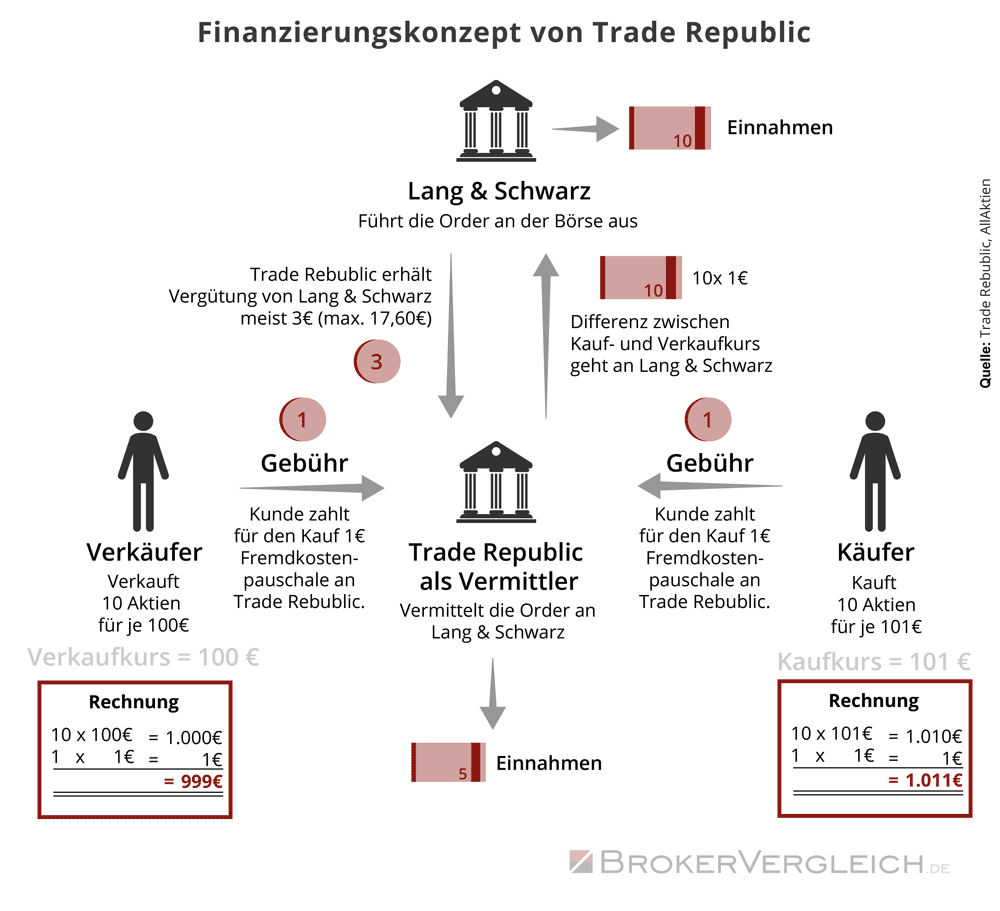
For years, neo-brokers operated on a simple premise: route customer orders to market makers like Lang & Schwarz, collect a kickback for the order flow, and pass the “free” trading experience to customers.
This Payment for Order Flow system, pioneered in the US by Robinhood and adopted by German players like Trade Republic, created the illusion of zero-cost investing.
The model worked brilliantly, until regulators caught on. The EU’s MiFIR review concluded that PFOF creates conflicts of interest and potentially disadvantages retail investors.
Starting this summer, brokers must prove they’re achieving “best execution” without accepting payments for routing decisions. For neo-brokers built on PFOF foundations, this is an existential threat.
Trade Republic’s spokesperson declined to comment on specific contractual arrangements but stated that “any form of compensation consistently flows into the further development and quality improvement of our platform.” The vagueness speaks volumes about an industry scrambling