

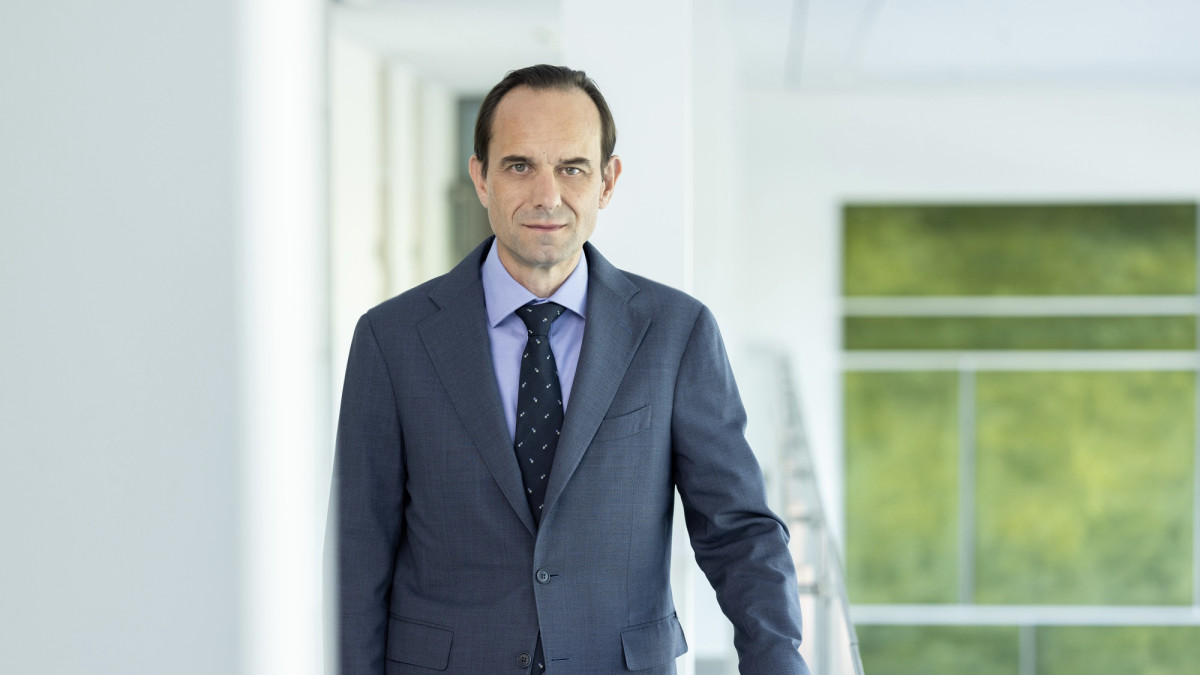
When the head of Germany’s financial watchdog publicly declares that financial advice is often just “vertriebsgetriebener Verkauf” (sales-driven selling), it’s worth paying attention. BaFin President Mark Branson didn’t mince words in his recent interview with the Süddeutsche Zeitung, confirming what many investors have long suspected: your Bankberater (bank advisor) might be more interested in their commission than your financial health.
Branson’s candid admission cuts through years of regulatory tap-dancing. The damage to German investors from overpriced or unsuitable financial products runs into double-digit billions annually, yet the system continues to reward selling over advising. This isn’t just about a few bad apples, it’s a structural problem baked into how German financial institutions operate.
The Core Problem: When Advice Becomes a Sales Pitch
The fundamental issue Branson highlights is the inherent conflict of interest in commission-based advice. When an advisor’s paycheck depends on selling specific products, can you really trust their recommendations? Many international residents report waiting weeks for banking appointments in major German cities, only to receive what amounts to a product pitch rather than genuine financial guidance.
Branson specifically called out open real estate funds (Offene Immobilienfonds) as a prime example. These products are “legitimate”, he acknowledged, but the problem lies in how they’re sold. German banks, particularly Sparkassen (savings banks) and Volksbanken (people’s banks), have been marketing these funds as low-risk investments, often classifying them in the lowest risk category. Branson’s response? “Die Vorstellung, ein Portfolio aus Gewerbeimmobilien sei weniger riskant als ein Portfolio aus Bundesanleihen, entspricht nicht dem gesunden Menschenverstand” (The idea that a portfolio of commercial real estate is less risky than a portfolio of government bonds defies common sense).
The Real Estate Fund Fiasco: A Case Study in Misaligned Incentives
The numbers tell a damning story. Since January 2025, investors have pulled approximately ten billion euros from open real estate funds. Two smaller funds, “Fokus Wohnen Deutschland” and “WERTGRUND WohnSelect D”, have already suspended share redemptions, leaving investors unable to access their money except through fire sales on the stock exchange.
What makes this particularly frustrating is that many of these products were sold with extensive documentation that was supposed to protect investors. Branson questioned whether these protocols actually serve customers or just protect the institutions selling them. “In der Praxis könnten sie jedoch gerade jene Anleger überfordern, die besonders schutzbedürftig seien” (In practice, they could overwhelm precisely those investors who most need protection), he noted.
This criticism of documentation requirements strikes at the heart of post-financial-crisis reforms. The paperwork was meant to ensure advisors acted in clients’ best interests, but has instead created a system where bank advisors prioritizing high-fee products over client needs can hide behind complex forms.
The Commission Conundrum: Why Reform Is Stalled
Branson’s honesty extends to the thorny issue of commissions. While he acknowledges the conflict of interest, he’s skeptical about banning them outright. His concern? That without commissions, many investors might not access any advice at all, since fee-based advisory services remain out of reach for average Germans.
This creates a genuine dilemma. The current system provides widespread access to advice, but that “advice” is compromised. Moving to a pure fee-based model would eliminate conflicts but could create advice deserts for middle-class investors.
The regulator’s stance reflects this tension. While BaFin has increased transparency requirements, forcing institutions to disclose costs and create standardized factsheets, the fundamental incentive structure remains unchanged. As one observer noted, regulatory fairy dust can’t resolve an inherent conflict of interest. You can make it easier for people to inform themselves, but those with zero motivation to engage with the details are left vulnerable.
What This Means for Your Money
Branson’s comments confirm that investors need to approach financial advice with skepticism. Here are concrete steps to protect yourself:
Always ask: “Wie werden Sie vergütet?” (How are you compensated?). If your advisor earns commissions from product providers, their recommendations deserve extra scrutiny. This applies whether you’re dealing with financial conflicts within Sparkasse family advisory or major portfolio proposals.
Don’t accept risk ratings at face value. Branson’s criticism of real estate funds being rated safer than government bonds highlights how institutional incentives can distort risk assessments. When your banker claims a product is “sehr sicher” (very safe), ask for the specific criteria used.
If an advisor recommends a product, ask them to provide written justification for why it’s specifically suitable for your situation, not just generic risk disclosures. This makes it harder for them to hide behind standard documentation.
Fee-based advisors who charge by time rather than commission have fewer conflicts. While more expensive upfront, their advice may save you thousands in hidden fees and unsuitable products over time.
Keeping an accountability tools to validate personal investment decisions can help you track whether you’re making decisions based on sound reasoning or emotional responses to sales pressure.
The Bigger Picture: Systemic Failures
Branson’s critique extends beyond individual products to the entire system. He noted that “Das System hat erhebliche Tücken” (The system has significant pitfalls), pointing to how complexity itself has become a tool for obfuscation rather than protection.
This systemic view explains why even well-intentioned advisors often struggle to provide genuine advice. They’re trapped in a machine that rewards sales volume, product pushing, and creative risk classification. When your local Sparkasse advisor presents a €425,000 portfolio proposal, they’re often working from a script designed to maximize institutional profit, not client outcomes.
The problem is particularly acute for scenarios where bank advisors provide incorrect guidance to young professionals just starting to build wealth. These clients lack the experience to spot red flags and are most vulnerable to high-fee products that compound into substantial losses over decades.
What Happens Next?
Branson’s public criticism suggests BaFin may tighten oversight, particularly around risk classification and sales practices. However, meaningful reform requires political action, and the regulator has limited authority to restructure the entire compensation model.
For now, the burden remains on investors to protect themselves. The BaFin chief’s rare honesty is refreshing, but it’s also an admission that the system isn’t working as intended. When the regulator itself acknowledges that advice is often just sales, it’s time to treat every recommendation as a starting point for investigation, not a trusted prescription.
The financial services industry in Germany operates with the same efficiency as a Deutsche Bahn train, usually impeccable, until there’s construction on the line. Right now, Branson is warning us that the entire advisory track needs major repairs. The question is whether investors will heed the warning before the next crash.
Bottom Line: Branson’s comments validate what critics have argued for years. Until the incentive structure changes, German financial advice will remain a buyer-beware market. Your best defense is treating every recommendation as a sales pitch until proven otherwise, and understanding that analyzing hidden fees in large-scale bank portfolio proposals isn’t just prudent, it’s essential for protecting your financial future.