Germany’s tax burden has crossed a psychological threshold in 2026 that should concern anyone earning a middle-class salary. New data shows the maximum marginal tax rate now reaches 59.78% for incomes around €68,700, while the total tax burden peaks at 51.03% for those earning approximately €101,400 annually. Even more striking: workers earning as little as €77,000 now pay more than half their income in taxes and social contributions, despite falling well below the threshold for private health insurance.
The 2026 Numbers That Matter
The latest Abgabenlast-Statistik (tax burden statistics) from 2026 paint a stark picture. The average additional contribution for statutory health insurance (Gesetzliche Krankenversicherung or GKV) jumped from 2.9% to 3.36% by January’s end. Contribution assessment ceilings (Beitragsbemessungsgrenzen or BBG) have risen across the board:
- Pension and unemployment insurance: €8,050 to €8,450 monthly (West and East Germany)
- Health and long-term care insurance: €5,512.5 to €5,812.5 monthly
These changes mean the income range paying over 50% in total burden has expanded dramatically from €90,000-114,800 in 2025 to €77,000-138,600 in 2026. For context, the annual income threshold for mandatory private health insurance (Jahresarbeitsentgeltgrenze) sits at €77,400 in 2026, meaning you can pay majority tax rates while still being deemed unable to afford private coverage.
The Paradox of “Strong Shoulders”
The most biting criticism comes from how these numbers expose a fundamental contradiction in German tax policy. As one analyst pointed out, the state essentially tells workers: “You don’t earn enough to be financially stable for private insurance, but we’ll take over 50% of your wages anyway, strong shoulders must bear the burden.”
This affects not just high earners but ordinary professionals. A shift worker at an IGM (Industriegewerkschaft Metall) company or a mid-level engineer can easily hit these tax rates. The calculations assume Steuerklasse 1 (tax class 1), no children, and no church tax, standard for many single professionals.
International comparisons make the situation look even less favorable. At €40,000 annual income, German workers pay significantly more than counterparts in Sweden (around 30%) or the Netherlands (slightly lower, though with additional health insurance costs). Germany’s burden runs about 10 percentage points higher than these neighboring systems.
The 2035 Time Bomb
While 2026’s numbers are alarming, projections for 2035 suggest today’s rates might seem mild. According to calculations from the IGES Institut, social contributions alone could reach 50% by 2035, with worst-case scenarios approaching 54%. Health insurance faces a €11.8 billion financing gap by 2027, driven by:
- Expiring federal loans (€2.3 billion)
- Ending federal savings packages (€1.7 billion)
- Persistent higher expenditure growth (€6.8 billion)
- Increased pharmacy fixed amounts (€1.0 billion)
The breakdown by 2035 could look like this:
- Health insurance: 20.6% (up from 17.7%)
- Long-term care: 5.0% (up from 3.8%)
- Pension insurance: 21.0% (up from 18.6%)
- Unemployment insurance: 3.4% (up from 2.6%)
For someone earning €3,000 monthly, this translates to €1,500 in social contributions alone, before income tax even applies.
Policy Responses and Political Theater
The government’s response has been predictably fragmented. DAK-Gesundheit CEO Andreas Storm proposes a three-stage stability pact including income-oriented spending policies and VAT reductions on medicines. Meanwhile, the CDU’s economic wing pushes for accelerated corporate tax cuts originally planned for 2028, contingent on budget situations.
Yet these measures barely address the structural issues. The federal government lowered its 2026 growth forecast from 1.3% to 1.0%, acknowledging that state investments drive two-thirds of expected growth. Business leaders consistently cite high taxes, contributions, and bureaucracy as core competitiveness problems.
As Germany’s 2026 income tax cut proposals and their impact on middle-class taxpayers demonstrate, promised relief often amounts to political theater. The SPD frames cuts for small and medium earners as ensuring “work enables a dignified life”, but the reality is more complex when hidden increases in social contributions consume any income tax savings.
The Demographic Death Spiral
The elephant in the room is demographics. Baby boomers are retiring en masse, but not enough workers replace them. This shrinks potential growth and intensifies pressure on social systems. The “Activ-Rente” (active pension) concept and increased skilled immigration are stopgaps, not solutions.
Some argue that significant cuts to pension payments or healthcare spending aren’t options. But critics counter that much healthcare spending in final life years is questionable, keeping people alive who’ve lost quality of life, or procedures like hip implants that benefit hospital balance sheets more than patients.
The uncomfortable truth: the current system is mathematically unsustainable. Either benefits get cut, contributions rise further, or the burden shifts to wealth and inheritance taxes, all politically toxic options.
What This Means for Your Financial Planning
If you earn €50,000-70,000: You’re now firmly in the 40-45% total burden range. Every euro you negotiate in salary increases faces a nearly 60% marginal rate. Consider tax-advantaged investments like employer-matched pension contributions (bAV) or Riester-Rente, though these lock up capital.
If you earn €77,000-100,000: You’ve crossed the 50% threshold. The hidden tax burden increases in Germany’s 2026 fiscal adjustments despite nominal relief become critically important. Review your tax class (Steuerklasse), optimize work-related deductions (Werbungskosten), and consider whether private health insurance might now make sense despite the high entry barrier.
If you invest in ETFs: The rising withholding taxes on ETFs due to increasing presumptive interest rates in 2026 compound the problem. With base rates at 2.53%, your tax-free allowance (Freistellungsauftrag) depletes faster, making tax-loss harvesting and strategic fund selection essential.
For millennials: The broader financial pressures on German millennials amid shifting fiscal and economic conditions mean your generation faces a perfect storm: high entry costs for housing, stagnating real wages after tax, and a social system you’ll pay into heavily but may not fully benefit from.
Actionable Takeaways
-
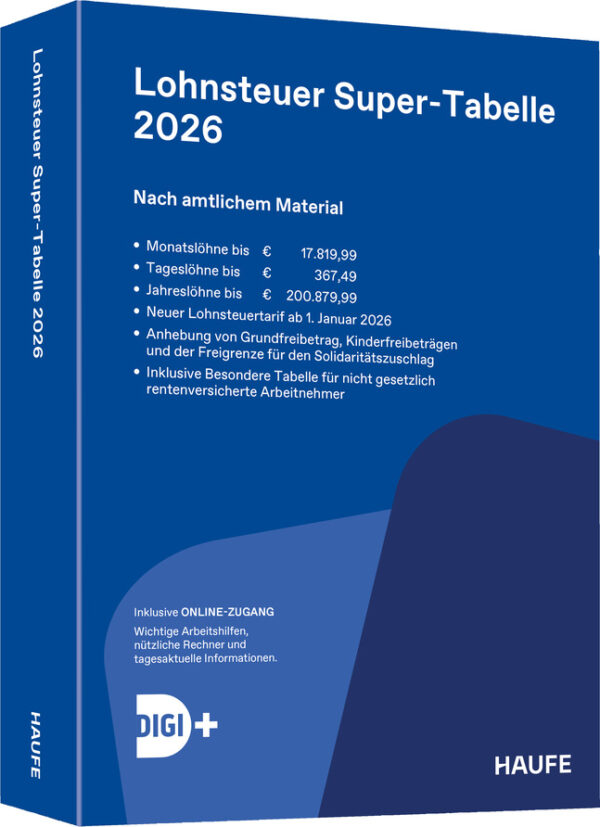
Calculate your real marginal rate: Use the official Lohnsteuer-Supertabelle 2026 or online calculators to understand what salary increases actually net you.
-
Optimize your health insurance: If you’re near the €77,400 threshold, model both GKV and private options carefully. The contribution cap makes private insurance potentially cheaper at higher incomes, but entry is permanent for employees.
-
Maximize tax-free investments: Use your €1,000 capital gains allowance (Freistellungsauftrag) strategically. For ETFs, consider whether switching funds makes sense under FIFO rules, though ETF tax strategies under German FIFO accounting rules require careful modeling.
-
Plan for 2035: If social contributions alone hit 50%, your disposable income could shrink by €100+ monthly even without income tax changes. Build this into long-term savings targets and consider international diversification.
-
Engage politically: The demographic math is inexorable, but political choices shape outcomes. Support parties offering concrete, mathematically sound reforms rather than vague “relief” promises that hide contribution increases.
The 2026 statistics confirm what many workers feel: the German tax system has become a high-wire act where even solid middle-class incomes face confiscatory marginal rates. Without structural reform, today’s 51% peak could be tomorrow’s starting point.