CDU’s Tax Cut Gamble: Trading Your Dental Care for Corporate Relief
The CDU economic council just dropped a political bombshell that could reshape Germany’s social contract. Their new "Agenda für Arbeitnehmer" (Agenda for Employees) proposes a straightforward trade: significant tax cuts in exchange for gutting core social programs. Think dental coverage, unemployment benefits, and early retirement options. For anyone living and working in Germany, this isn’t abstract policy, it’s about what happens when your toothache becomes a €400 bill and your job security shrinks from two years to one.
The Proposal: A Two-Pronged Attack on the Status Quo
The Wirtschaftsrat (economic council), a powerful lobby group representing roughly 13,000 companies, argues that Germany’s "exploding social contributions" have created a "special German problem." They’re not entirely wrong. Social contribution rates have climbed from under 35% in 1985 to over 40% today, with projections hitting 45% soon. For a worker earning €4,000 gross, employers actually pay around €4,900 total, but the breakdown obscures the true cost.
Their solution? Cut taxes dramatically while slashing benefits.
Tax Cuts: Who Wins
- Höherer Grundfreibetrag (basic tax-free allowance): "Noticeably increased" to account for inflation that has eroded its value for 25 years
- Spitzensteuersatz (top tax rate): Pushing back when the 42% rate kicks in from the current ~€70,000 threshold, which they call "a bad joke"
- Automatische Inflationserhöhung for income tax brackets
- Solidaritätszuschlag abschaffen (solidarity surcharge) even for high earners
- Unternehmensbesteuerung senken from 30% to 25%
For high earners and businesses, this represents substantial savings. A Gutverdiener (high earner) at €80,000 could save thousands annually.
Social Cuts: Who Loses
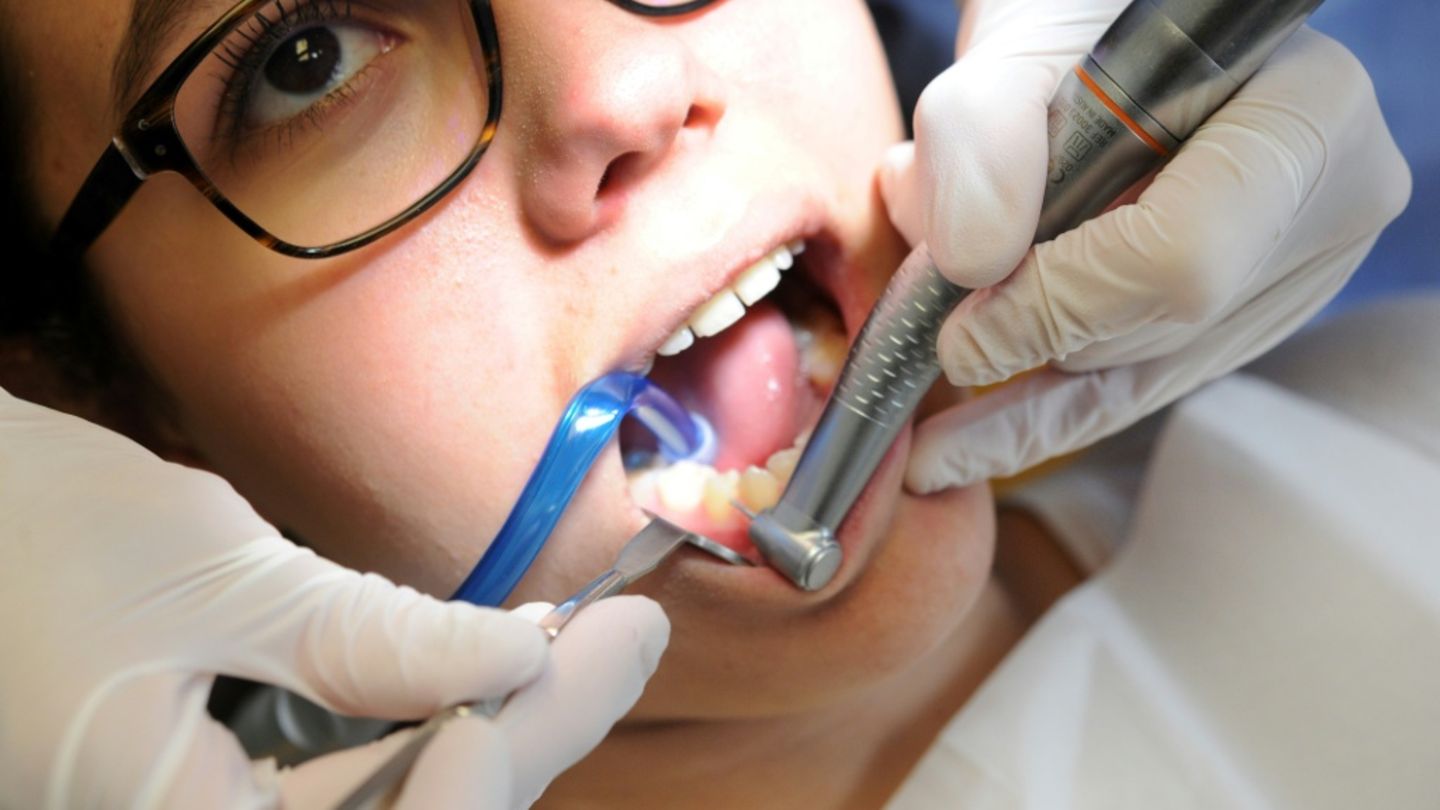
- Zahnbehandlungen: Remove from statutory Krankenversicherung (health insurance). The council notes these "can generally be privately insured" and shouldn’t burden contributors
- Arbeitslosengeld I: Cut from up to 24 months to a maximum of 12 months for everyone
- Pension cuts: Eliminate Mütterrente (mothers’ pension), abschlagsfreie vorzeitige Rente (early pension without deductions for long-term insured), and Grundrente (basic pension)
- Retirement age: Link it to life expectancy, pushing it beyond 67
- Unfallversicherung: Remove coverage for work commute accidents
- Pflegeversicherung: Shift more responsibility to private Zusatzversicherungen (supplementary insurance)
The Political Earthquake
SPD politician Bernd Rützel, chair of the Bundestag’s labor committee, called the proposals "a slap in the face to 90% of Germans" and suggested the CDU should "quickly forget these ideas." He’s not alone. Yasmin Fahimi, head of the DGB (German Trade Union Confederation), warned that "social policy cannot replace economic policy."
The left sees this as an assault on the Sozialstaat (welfare state) itself. Linke leader Ines Schwerdtner framed it as a "frontal attack on 90% of people", forcing workers to choose between "a dental filling or lunch for their children."
Even within the CDU, there’s discomfort. The proposals come from the Wirtschaftsrat, not the party leadership, but they carry influence. The council was founded in 1963 on Ludwig Erhard’s initiative and represents significant business interests.
The Numbers Game: Do the Math
Let’s be blunt about what this means practically.
For a mid-level employee:
- Current unemployment protection: Up to 24 months if you’re over 50, 12 months if younger
- Proposed: 12 months maximum, regardless of age or contributions
- If you lose your job at 55 after 30 years of work, your safety net gets cut in half
For dental care:
- Current: Most preventive, diagnostic, and treatment costs covered
- Proposed: You pay out-of-pocket or buy private supplementary insurance
- A simple filling: €80-150. A crown: €800-1,200. Root canal: €500-1,000+
For mothers:
- Current: Mütterrente provides additional pension points for each child born before 1992
- Proposed: Eliminated entirely

The Broader Context: A System Under Pressure
This debate didn’t emerge in a vacuum. Germany faces real structural challenges. The social contribution burden has reached record levels, with projections showing it could hit 50% without reforms. The January unemployment figure, over 3 million, has become a political cudgel for those arguing the system fails workers.
The Wirtschaftsrat’s secretary-general, Wolfgang Steiger, claims the SPD has "mutated into a party for transfer recipients" and lost worker support. He warns the CDU risks the same fate if it continues "carrying SPD ideas."
But here’s the tension: while contributions have risen, so has inequality. The pressure on high earners in the public health system has intensified debates about GKV (statutory) versus PKV (private) insurance. Meanwhile, middle-class families struggle to afford basic vacations as costs rise across the board.
The council’s proposals would accelerate these trends. Removing dental coverage pushes more people toward PKV or expensive supplements. Cutting unemployment benefits increases financial anxiety for workers already facing mortgage payment shocks from expiring fixed-rate periods.
The Real Cost: A Two-Class System
The Sozialverband Deutschland (social association) warns these changes would fuel existing "two-class medicine." As their chair Michaela Engelmeier put it: "Wealthy people would have nice teeth, needy people more gaps."
This gets to the heart of the controversy. Germany’s social insurance system operates on the Umlageprinzip (pay-as-you-go principle), where current contributions fund current beneficiaries. Everyone pays, everyone benefits. The Wirtschaftsrat’s model breaks this compact.
Consider the logic: dental care "can generally be privately insured." True, but at what cost? Private dental insurance for comprehensive coverage runs €30-50 monthly, with waiting periods and exclusions. For a family of four, that’s €1,440-2,400 annually in after-tax income.
The same pattern repeats across proposals. Shift pension risk to individuals. Shift care risk to private insurance. Shift unemployment risk to savings. The common thread: socializing less, privatizing more.
Labor Market Realities
The proposal to cut unemployment benefits to 12 months reflects a belief that generous benefits discourage work. But Germany’s Federal Employment Agency (Bundesagentur für Arbeit) reports the worst job market for workers in years, with chances for unemployed people at historic lows. Cutting benefits when jobs are scarce seems less like activation and more like punishment.
The council also targets the "overgrown employment administration" with its 100,000+ staff at the Bundesagentur. But these workers process claims, provide job counseling, and administer training programs. Cutting them while cutting benefits creates a double burden for those who lose jobs.
Perhaps most controversially, the proposals align with the CDU economic wing’s broader push to restrict part-time work rights. The pattern emerges: less worker protection, more individual risk, greater employer flexibility.
What Happens Next?
These proposals aren’t official CDU policy. The Wirtschaftsrat is influential but independent. Party leadership, including Friedrich Merz, hasn’t endorsed the full package. The SPD coalition partner would veto most measures.
But they’ve succeeded in shifting the Overton window. By proposing radical cuts, they’ve made moderate reductions seem reasonable. The debate now focuses on which benefits to trim, not whether to trim at all.
For residents, especially expats without deep roots in Germany’s social system, this signals uncertainty. The PKV vs GKV calculation becomes more complex when statutory coverage shrinks. The safety net you thought you had might have bigger holes than expected.
The Bottom Line
The CDU economic council’s agenda forces a fundamental question: What kind of society does Germany want? One where collective risk-sharing provides security, or one where individual responsibility dominates?
The council frames this as unleashing growth and rewarding performance. Critics see it as dismantling the Sozialstaat that underpins Germany’s social peace. As one analyst noted, the proposals represent "America-lite without American salaries", reducing social protections while not addressing wage stagnation or rising inequality.
For now, these ideas remain proposals. But with economic pressure mounting and elections looming, the debate over tax cuts versus social spending will only intensify. Your next dentist appointment might depend on it.