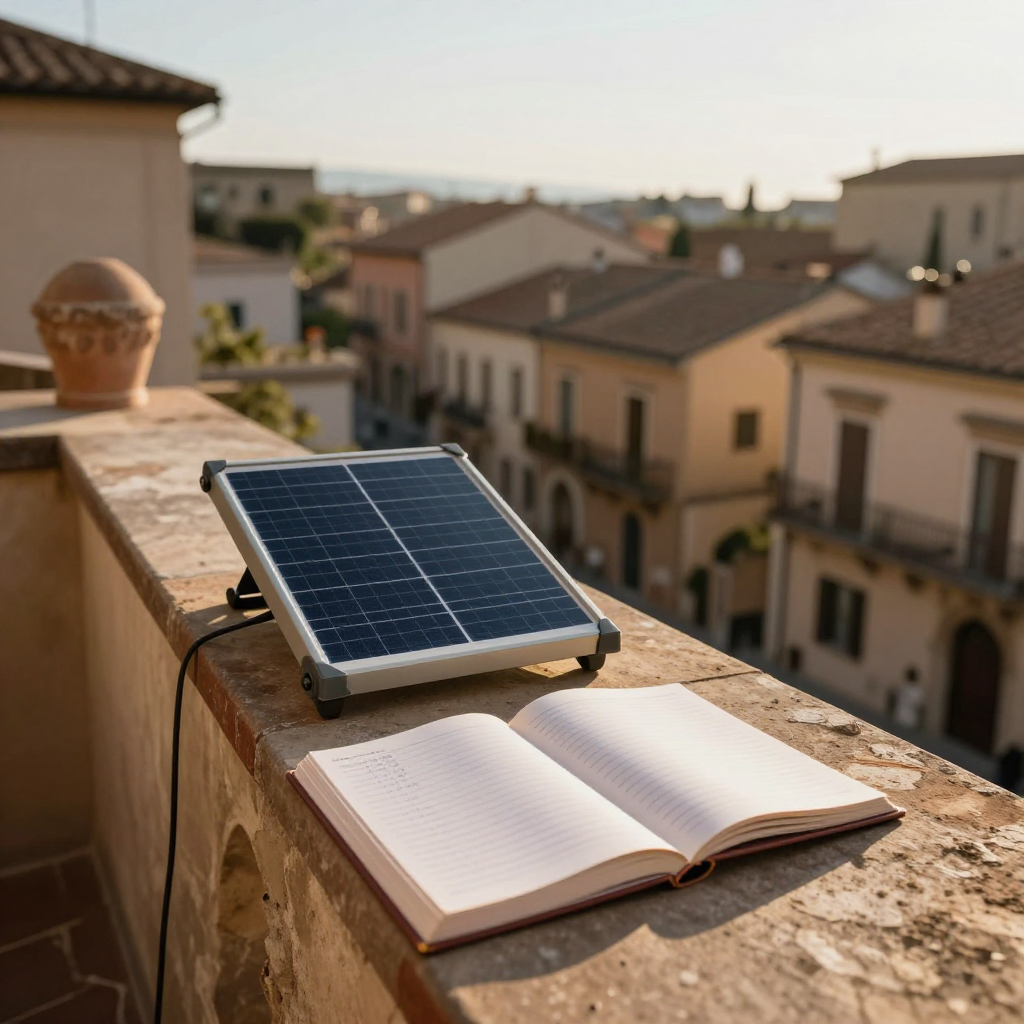
That glossy Amazon listing promising to “slash your electricity bill” with a €600 balcony solar kit looks tempting, especially when your Enel bill arrives with the same enthusiasm as a Roman traffic fine. But before you drill holes in your rental’s railing or annoy your condomino (condominium association) with questions about mounting brackets, consider this reality check from someone who actually did the math.
After twelve months of meticulous tracking, one Italian resident’s data cuts through the marketing hype: €100.85 saved in year one on a €700 investment. The internal rate of return clocks in at 11%, beating most BTPs (Italian government bonds), but requiring significantly more patience than clicking “buy” on a treasury bill.
The Hardware Reality: From Tecnomat to Bluetti
The test case involved a 600W system purchased from Tecnomat, consisting of two panels mounted as a functional canopy over south-facing windows, a dual-purpose installation that provided shade while generating power. Total outlay: €700, broken down into €400 for modules and inverter, €100 for the mounting structure, €56.59 for a dedicated energy meter, and various electrical components.
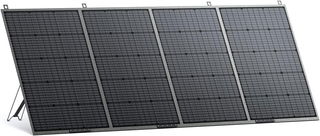
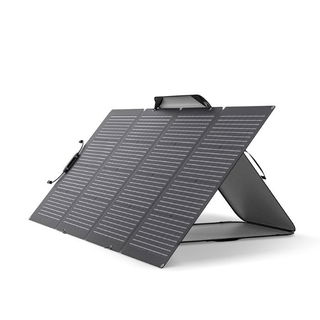
This isn’t the plug-and-play fantasy of simply hanging a panel over your railing. While kits like the Bluetti PV420 (€899) or the EcoFlow Solar 200W promise Schuko plug simplicity, the reality in Italy involves navigating the Agenzia delle Entrate (Revenue Agency) for your detrazione IRPEF (IRPEF tax deduction) and potentially the GSE (Gestore dei Servizi Energetici – Energy Services Manager) if you want to sell excess power back to the grid.
The Self-Consumption Trap
Here’s where the math gets painful. The system produced enough energy to theoretically save €164 annually, but only achieved 62.55% autoconsumo (self-consumption). The rest? Fed back into the grid for pennies, or wasted entirely if you’re not connected through a bidirectional meter.
The physics are unforgiving. Unless you’re running a server farm or mining cryptocurrency in your studio apartment, your consumption rarely aligns with peak solar production. That 600W system generates maximum power at noon when you’re likely at work, while you need electricity at 8 PM when the sun has already dipped behind the neighboring palazzo (apartment building).
To hit 90% self-consumption, the threshold where these systems become genuinely lucrative, you need a baseload carico (base load) that runs 24/7. Think: always-on air conditioning in Sicily, or a crypto mining rig that never sleeps. For the average Milan apartment with a fridge, Wi-Fi router, and occasional laundry, expect that 60-65% range, extending your payback period to roughly five years.
The Regulatory Maze
Italy’s bureaucratic affection for paperwork doesn’t spare balcony solar. While systems under 800W technically bypass the CILA (Certified Notification of Commencement of Activity) or SCIA (Certified Notification of Start of Activity), you’re still supposed to notify your energy provider to configure your contatore bidirezionale (bidirectional meter). Skip this, and you’re essentially giving free electricity to Enel.
The Bonus Ristrutturazione (Renovation Bonus) offers 50% detrazione IRPEF (IRPEF tax deduction) spread over ten years for primary residences, effectively reducing that €700 investment to €350 out-of-pocket. But this requires a “bonifico parlante” (speaking bank transfer) with specific wording, and the patience to wait a decade for full reimbursement. Second homes get only 36%, making the economics even tighter.
When the Math Actually Works
Despite the underwhelming first-year returns, balcony fotovoltaico (photovoltaics) isn’t universally foolish. It makes sense in three specific scenarios:
The Dual-Purpose Install
If you need a pergola, canopy, or privacy screen anyway, the solar panels become a value-add rather than a standalone investment. The €700 outlay includes the structure you’d have purchased regardless, making the energy generation essentially free after tax breaks.
The High-Consumption Household
Families with electric cars, heat pumps, or home offices running multiple workstations can push self-consumption toward 90%, cutting the payback period to under four years. With module prices rising again in 2026, hitting €0.13/Wp for high-efficiency panels, waiting for cheaper hardware might be a losing bet.
The Hobbyist
Some people enjoy monitoring their energy production via smartphone apps more than scrolling Instagram. If the educational value and satisfaction of energy independence matter to you, consider the difference between €700 and a BTP investment as the price of a hands-on engineering course.
The Verdict: Expensive Optimism
After crunching the numbers, €100.85 saved annually, €489 net gain over ten years, an 11% IRR, the conclusion is sobering. Purely financially, you’d likely earn similar returns with less hassle through traditional investments, especially considering the risk of a hailstorm turning your €400 panels into expensive glass shards.
However, with Italy’s transition to the Ritiro Dedicato (Dedicated Withdrawal) system replacing the old Scambio sul Posto (Net Metering), self-consumption is becoming the only game in town. If you’re planning to stay in your apartment for at least five years, can utilize the Bonus Ristrutturazione (Renovation Bonus), and have the patience to file the paperwork, that €700 balcony kit isn’t a scam, just a very long-term relationship with your electricity bill.
For everyone else? Maybe start by switching to a cheaper energy provider first. Sometimes the best renewable investment is simply not overpaying for what you already consume.