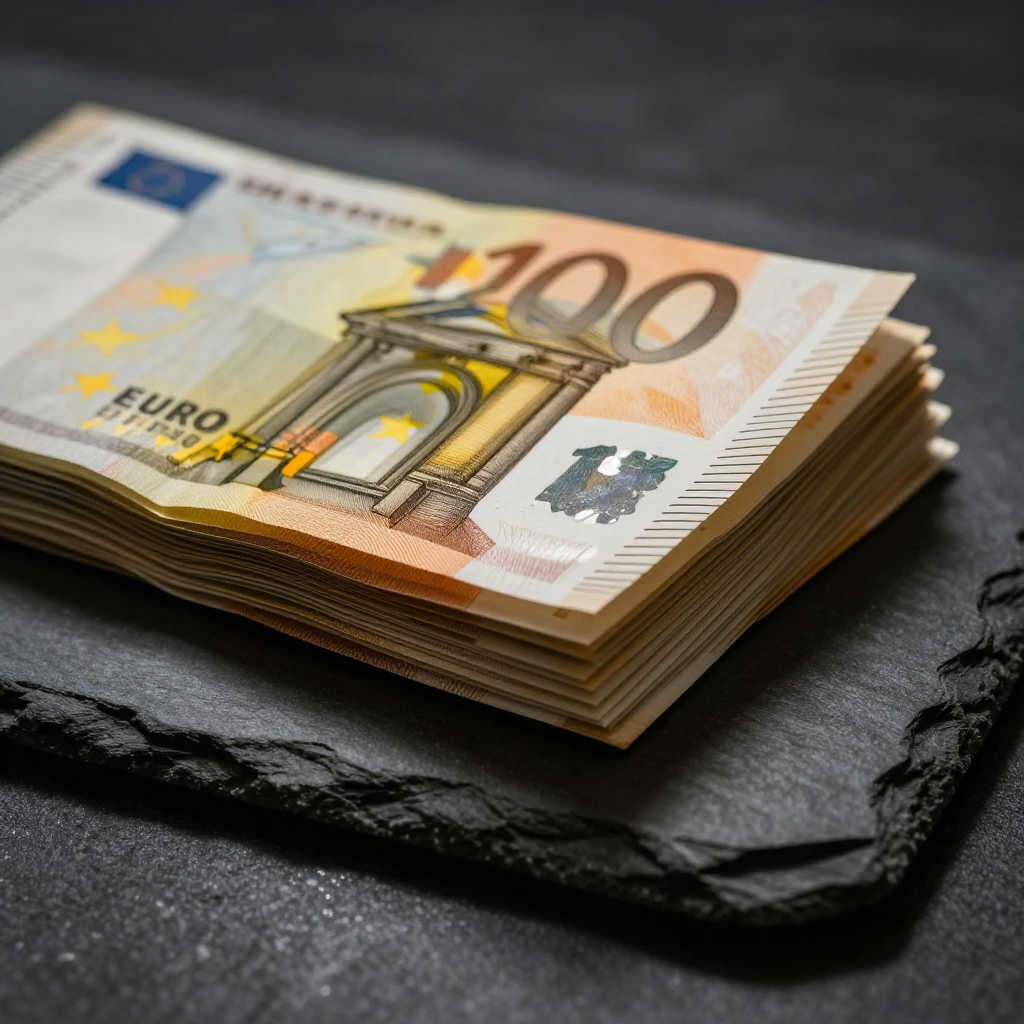
There is a tax that takes 4% of your money every year without sending you a bill. It doesn’t show up on your Modello F24 (Tax Payment Form), and no Agenzia delle Entrate (Revenue Agency) agent will knock on your door to collect it. Yet in 2026, this silent levy is hitting millions of Italian savers who keep their money parked in a conto corrente (current account) earning zero interest while inflation runs hot.
A 26-year-old recently detailed his financial awakening online: €70,000 sitting idle in IsyBank, another €10,000 in physical cash stuffed at home, and a growing realization that his “prudent” approach was actually costing him nearly €3,000 annually in lost purchasing power. His story resonates because it exposes a cultural trap many young Italians fall into, confusing liquidity with safety, and inaction with wisdom.

The Mathematics of Fear
The Italian banking system holds historically high levels of liquid deposits, with many adults keeping over €15,000 in checking accounts indefinitely. This isn’t irrational stinginess, it’s often inherited trauma. Many young investors are children of parents who lived through banking crises and market crashes, developing what psychologists call a “visceral fear of loss” that treats volatility as the enemy while ignoring the certainty of inflation.
But the math is brutal. According to recent analysis, leaving significant cash reserves dormant in 2026 means losing up to 4% annually between inflation erosion and missed opportunity costs. On €70,000, that’s €2,800 evaporating each year, enough to fund a long weekend in Tokyo or a significant chunk of a master’s degree tuition.
The irony? Many savers justify this cost as the “price of sleeping well.” Yet they’re paying luxury-hotel rates for a hostel-level sense of security.
From Mattress to Market: A Blueprint for the Paralyzed
If you’re sitting on significant liquidity, whether €20,000 or €200,000, the transition from cash to investments requires a psychological bridge, not just a bank transfer. The 26-year-old’s proposed strategy offers a template worth examining:
First, he plans to move his €70,000 from IsyBank to BBVA to capture a 3% gross return for six months (approximately €600-700 net) while maintaining full liquidity and FITD (Interbank Deposit Protection Fund) coverage up to €100,000. This isn’t greed, it’s basic hygiene. Conti deposito (deposit accounts) currently offer ways to earn interest on money that would otherwise rot, with some providing flexibility for those not ready to lock capital away.
Second, he intends to open a Directa SIM account under the regime amministrato (administered regime), where taxes are handled automatically by the broker. This eliminates the bureaucratic nightmare that stops many Italians from investing, the fear of tax compliance errors. Directa offers commission-free PAC (Piano di Accumulo Capitale) (Capital Accumulation Plans) on ETFs, making it ideal for gradual entry.
Third, and most critically, he plans to invest €5,000 monthly into VWCE (a global equity ETF) rather than dumping everything in at once. This dollar-cost averaging approach serves two purposes: it reduces the risk of buying at a market peak, and it builds psychological tolerance for volatility.
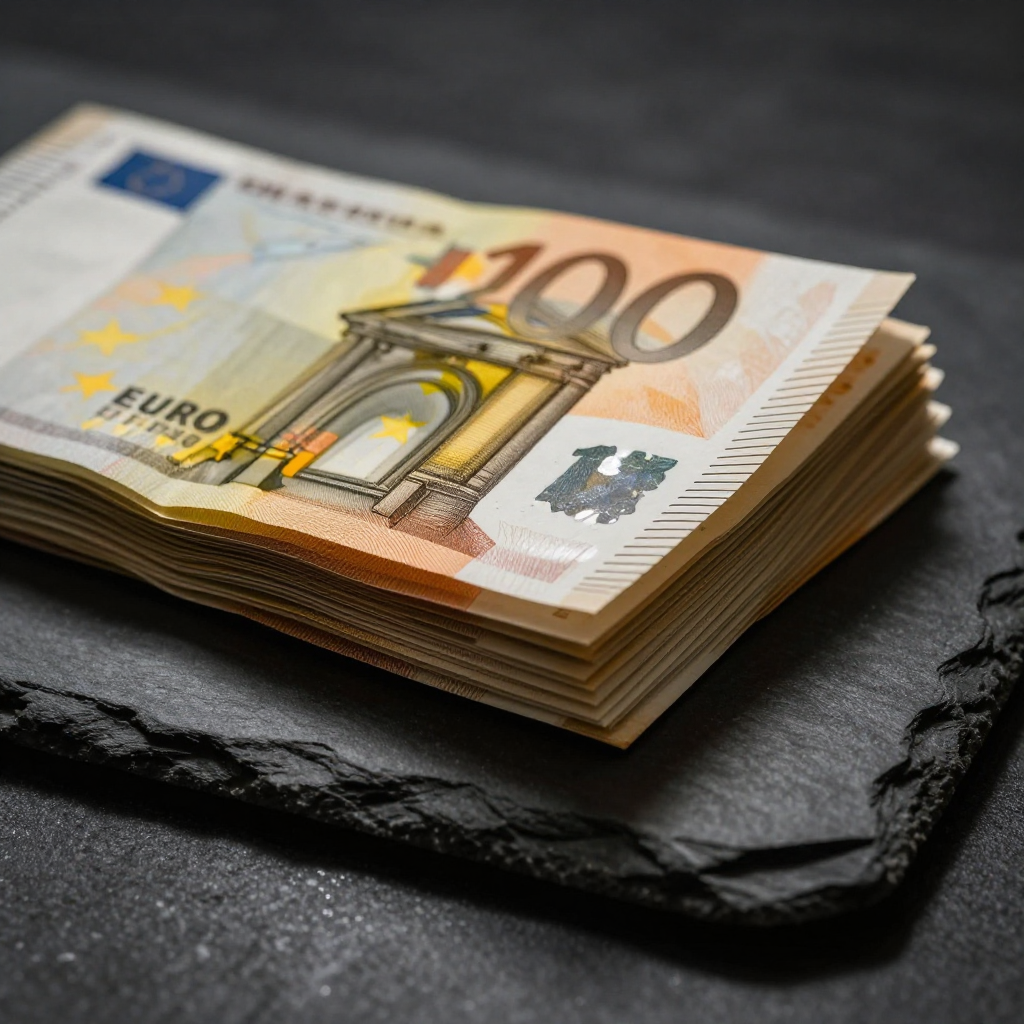
Can You Stomach the Drop?
Here’s where many “late awakeners” stumble. The same investor admitted that a -10% drop in year one might give him a heart attack. This honesty is crucial because it reveals a mismatch between his chosen asset (100% equities) and his risk tolerance.
Seasoned investors note that -10% corrections in equity markets aren’t anomalies, they’re routine. If a single-digit decline triggers panic, a portfolio of pure stocks will lead to panic selling, which crystallizes losses and triggers the 26% capital gains tax on any previous growth. This creates a double penalty: selling low and paying taxes on what little gain remains.
The solution isn’t avoiding markets, it’s honest asset allocation. If a -10% drop terrifies you, a 60/40 or even 50/50 equity-to-bonds split makes more sense than 100% VWCE. You need to build a portfolio that lets you sleep during corrections so you don’t wake up during crashes and sell everything.
The Italian Safety Net: Capital Guaranteed Options
Not ready for equity volatility at all? Italy offers several capital-guaranteed instruments that beat mattress-stuffing without exposing you to market swings:
- Buoni Fruttiferi Postali (Postal Savings Bonds) offer state-guaranteed returns with no subscription costs. While not exciting, they protect against inflation better than cash and provide the psychological comfort of government backing.
- BTP Valore (Government Bonds with Value) represent a middle ground, offering safe government bond yields with step-up coupons and final premiums that reward holding to maturity. They’re not sexy, but they won’t drop 20% because of a tweet.
- Conti Deposito Vincolati (Fixed Deposit Accounts) lock your money for predetermined periods (typically 3, 6, or 12 months) in exchange for higher interest rates. The FITD guarantees up to €100,000 per bank, making them essentially risk-free for most young savers.
These instruments serve as training wheels. They get your money working while you build the emotional calluses necessary for equity investing.
The Tax Trap of Panic
One detail that paralyzes Italian investors is the fear of tax complexity, but the bigger danger is the tax cost of emotional decisions. Selling investments during a crisis to “get back to cash” triggers immediate taxation on gains at 26%. This means if you invest €50,000, it grows to €60,000, then you panic-sell during a geopolitical crisis, you pay €2,600 in taxes immediately and have €57,400 left, less than you had before the growth.
The administered regime available through brokers like Directa handles tax withholding automatically, eliminating the paperwork fear. But it can’t eliminate the behavioral risk of selling during downturns. That’s on you.
Your Gradual Exit Strategy
If you’re holding significant cash reserves and feeling the inflation anxiety, consider this phased approach:
The goal isn’t to optimize returns, it’s to optimize consistency. The best investment strategy is the one you’ll actually stick with when markets get ugly. And they will get ugly, that’s not pessimism, it’s history.
That €70,000 sitting in your checking account isn’t “safe.” It’s depreciating in real-time. The only question is whether you’ll wake up today or keep paying that 4% annual fee for the comfort of doing nothing.