Is Your Dutch Grocery Budget a Relic? What €700 a Month Really Buys Now
You push your cart through the Albert Heijn, ping your partner a Tikkie (payment request) for the shared groceries, and for a moment, all feels normal. Until you reach the register. That familiar, sinking feeling returns as the total climbs past €100 for what feels like a modest haul. Is it just you, or is everything suddenly more expensive?
A typical two-person household in the Netherlands now reports spending around €700 per month on groceries. That’s over €10 per person, per day. But is that a luxury lifestyle or the new bare minimum? And more importantly, does your own budget still hold up against the relentless march of inflation, or are you quietly subsidizing your weekly shop from other parts of your finances?
Let’s drop the vague “everything’s getting expensive” narrative and look at the hard numbers to see where your money is really going.
The Alarming Reality: Coffee, Chocolate, and Your Steak Are Under Siege
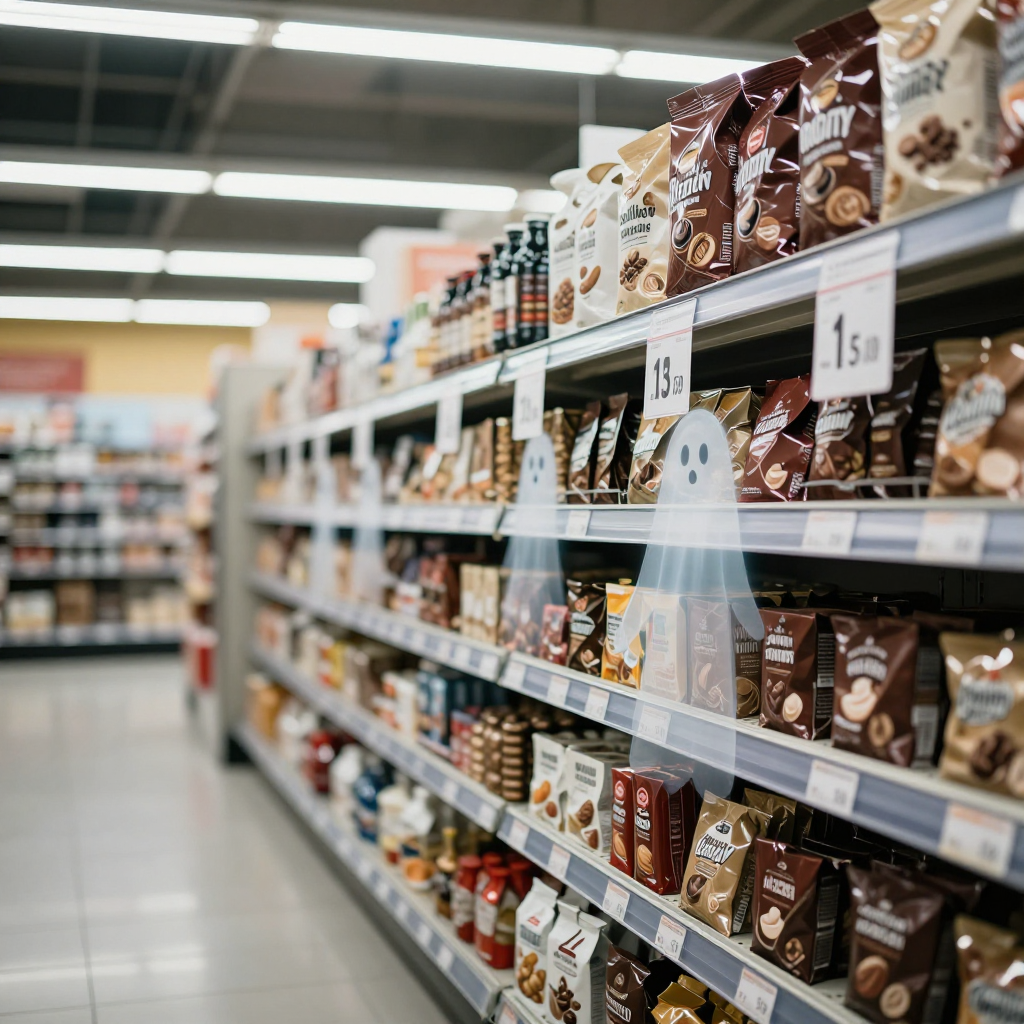
First, the bad news. Your daily comforts have become financial liabilities. According to a recent analysis of CBS (Statistics Netherlands) data by KeukenDiscounters, some of the most beloved items have seen staggering price increases over the past year.
- Coffee: Whether you’re a pad or ground coffee fan, prepare to wince. The price of koffiepads (coffee pods) and gemalen koffie (ground coffee) soared by 23% and 17%, respectively.
- Chocolate: That bar of pure indulgence? Pure chocolate is now 19% more expensive, while milk chocolate has jumped by a whopping 23%.
- Meat: If a biefstukje (steak) is your weekend treat, you’re now paying 23% more for it than you did a year ago. Kipfilet (chicken breast) and
lamsvlees (lamb)are also up significantly.
These aren’t minor adjustments. A coffee lover might find their annual habit costs dozens of euros more. A chocolate bar that was €2 last year is now pushing €2.50. This is the inflation you feel in your daily life, and it’s reshaping the classic Dutch “AGV” (Aardappelen, Groente, Vlees – Potatoes, Vegetables, Meat) meal.

The Silver Lining: Strategic Shopping Can Still Save You €€€
Now, the good news: not every aisle is a financial minefield. Inflation is uneven, and smart shoppers can still find value. The same CBS data reveals several categories where prices have actually fallen, providing crucial leverage for your budget.
The winners for 2025/2026:
Potatoes, fresh produce, and staples are making a comeback financially.
- Aardappelen (Potatoes): Down 3.9%. The humble Dutch pieper is your best friend, with prices around €0.89 per kilogram for unprocessed varieties.
- Verse Groenten (Fresh Vegetables): Down 2.9%, thanks partly to lower energy costs for greenhouse growers.
- Olijfolie (Olive Oil): Also down 3.9%, recovering from previous record highs driven by drought in Southern Europe.
- Rijst (Rice) & Pasta: Down 1.8% and 1.5%, respectively, as global grain and rice supplies have stabilized.
The message is clear: a meal built around potatoes, seasonal vegetables, rice, or pasta is not only healthier for you but healthier for your bank account. The era of thoughtless shopping is over, we’re now in the age of the tactical consumer.
Benchmarking Your Reality: From €400 to €800 a Month
So, what do real people spend? Insights from Dutch budget communities reveal a vast range, heavily influenced by personal choices and priorities.
The Strategic Saver
€400-€450/month for 2
Shop almost exclusively at discounters like Lidl and Aldi, buy in bulk, freeze leftovers, and prioritize huismerken over A-merken.
The “Average” Household
€700/month for 2
Mix of Lidl/Vomar and AH/Jumbo. Meals cooked fresh on weekends, batch cooking during the week. Includes some organic produce.
The Priority Spender
€800+/month for 2
Values outweigh strict budgeting. Prioritize organic veg, ethically sourced meat, specialty items. Often shops via delivery at AH.
Where you fall on this spectrum depends entirely on your non-negotiables. Are you willing to swap beef for beans? Is organic a must? Does your day start with a specific brand of coffee? Your answers dictate your budget.
Practical Dutch Strategies to Cut Your Grocery Bill
Knowing the price trends is one thing, acting on them is another. Here’s how to apply a Dutch poldermodel (consensus-based approach) to your shopping cart.
- Embrace the Discounter Renaissance: Reports indicate that Aldi is experiencing a growth spurt as the “snelstgroeiende supermarkt (fastest-growing supermarket)” in the Netherlands. When perception says everything is expensive, shoppers flock to the cheapest options.
- Master the Huismerk (Store Brand): This is the single most effective step. From pasta and rice to yogurt and cleaning products, the AH brand, Jumbo, or discounter equivalents are almost always significantly cheaper.
- The Power of Bulk & Freezer: The Dutch love their diepvries (freezer). Buying family-sized packs of meat or fish on sale and portioning them is a classic money-saver.
- Tame the Beverage Budget: As noted by savvy shoppers, drinks are a silent budget killer. Cola, juice, and alcohol add up fast. Switching to tap water helps save monthly.
- Plan Around the Flyer: The weekly reclamefolder (advertisement flyer) isn’t junk mail, it’s your tactical blueprint. Plan meals around offers at your local supermarkets.
- Consider Tools for Efficiency: While extreme frugality has its psychological limits, smart use of technology can help optimize spending without mental burden.
The Bottom Line: Your Budget Needs a Reality Check
The €700-per-month benchmark for two is a useful starting point, but it’s not a rule. Your actual number could be €400 or €1,000, based on your location, dietary choices, and values. The critical takeaway is this: you can no longer afford to be a passive grocery shopper.
Inflation has made the Dutch supermarket a landscape of extreme winners and losers. Your weekly boodschappen (groceries) are no longer a mundane chore but a financial exercise in triage. By shifting your consumption towards the categories that are getting cheaper (potatoes, veggies, staples) and being strategic about the luxuries that are getting more expensive (coffee, chocolate, premium meat), you can regain control.
Don’t just lament the total at the checkout. Audit your last receipt. How much went to inflated items? What cheaper alternatives did you pass by? Your grocery budget isn’t fixed, it’s a flexible tool that needs recalibrating for this new, more expensive reality. Start today.