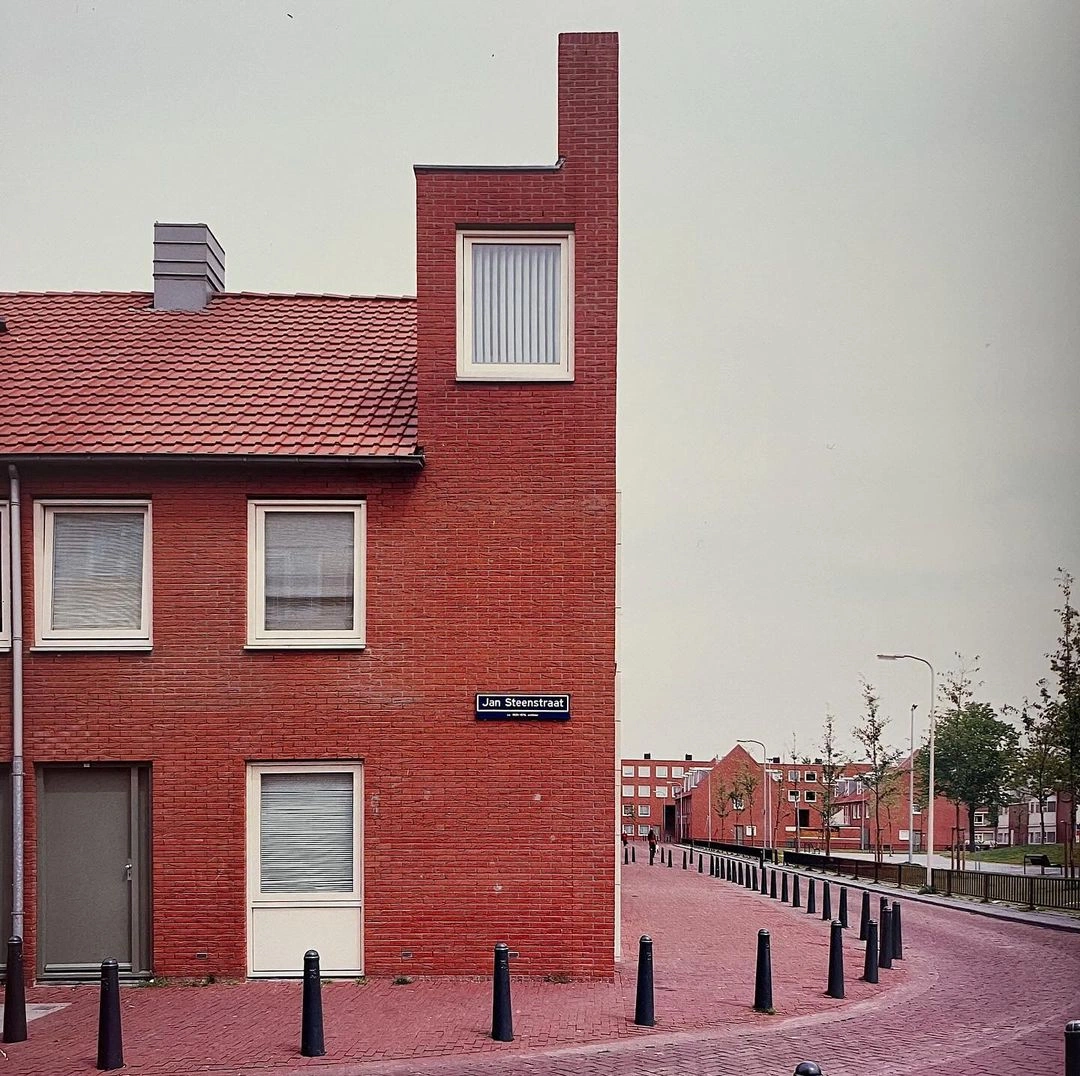
You’ve just finished photographing your starter home in a popular Dutch neighborhood. The verkoepmakelaar (selling agent) mentions they know someone “seriously interested.” Two days later, you get a call: a medewerker (employee) from the same agency wants a private viewing before your house appears on Funda (the dominant Dutch property platform). They promise to “follow the regular route.” Your gut says something’s off. Your gut is right.
This scenario, recently discussed in Dutch financial circles, exposes a fundamental tension in the Netherlands’ overheated housing market. When the people hired to get you the highest price become potential buyers, the entire logic of fair market competition collapses. The question isn’t whether your makelaar is a bad person. It’s whether you can afford to let them referee a game they’re also playing.
The Anatomy of a Conflict
Let’s be blunt: this isn’t a hypothetical. The Reddit thread that sparked this discussion featured a seller in exactly this position, and the responses split between naive trust and hard-nosed pragmatism. The seller’s concern was precise: “The verkoopmakelaar has contact with all interested parties and can steer the process. If they notice someone will bid higher than their colleague and discourage them, I’ll never find out.”
This is the core problem. Your makelaar has a wettelijke plicht (legal duty) to act in your best interest. But they also work daily with their colleague, share office space, and depend on professional relationships that outlast your single transaction. The compliance research on integrity investigations identifies this as classic belangenverstrengeling (conflict of interest), where personal or professional relationships create “gray areas where rules and ethics intersect.”
The Dutch real estate sector relies heavily on self-regulation through bodies like the NVM (Nederlandse Vereniging van Makelaars). Their gedragscode (code of conduct) requires transparency, but here’s the kicker: transparency doesn’t eliminate the conflict. It just makes you aware you’re being screwed.
Five Ways This Quietly Costs You Money
The risks aren’t abstract. Based on the Reddit discussion and compliance investigation patterns, here are specific tactics that can reduce your sale price:
1. Bid Suppression Through “Realistic” Pricing
Your makelaar might discourage higher bidders by suggesting the house “won’t appraise above €X” or that “the seller is difficult.” One commenter noted: “They could negatively brief other interested parties during viewings.” Since you don’t sit in on other viewings, you’ll never hear this.
2. Information Asymmetry
The employee-buyer sees your house before public listing, giving them time to arrange financing and prepare a strong opening bid. Other buyers, seeing the property on Funda with a deadline, must rush. In a market where bieden (bidding) often happens within days, this head start is decisive.
3. The Phantom “Better Offer”
Your makelaar could tell you: “We have a solid offer from our colleague at asking price, but another buyer seems hesitant.” You accept the bird in hand, never knowing if the other buyer would have offered €15,000 more.
4. Steering Toward Lower Bids
Makelaars talk. If an external aankoopmakelaar (buyer’s agent) calls about your property, your verkoopmakelaar might subtly suggest the employee’s offer is “very serious” while framing others as “less reliable”, influencing the bidding strategy of competitors.
5. Pressure to Accept “Fair” Offers
The employee’s partner works abroad and can only view the house on specific dates. Your makelaar frames this as a logistical constraint, not manipulation. You feel pressured to accommodate, potentially cutting your marketing period short.
Why Transparency Is a Trap
The most insidious part? Your makelaar was “honest” about the conflict. This creates a false sense of security. The compliance research on integrity investigations highlights that “the formal rules may not be violated, but a semblance of conflict of interest arises that requires clear agreements.”
In practice, you have two bad options:
-
Accept the risk: Trust that your makelaar will magically prioritize your interests over their colleague’s. As one Reddit user put it: “Assume the selling makelaar acts ethically and doesn’t also protect the employee’s interests. Accept that you’ll never know if they actually did this or if it affected the sale price.”
-
Fire your makelaar: Cancel the contract, delay your sale, and find another agency, where the same problem might occur since “they all have connections with each other”, as another commenter noted.
The transparency paradox means the makelaar fulfills their duty to inform you while simultaneously creating a situation where you can’t prove wrongdoing. It’s the perfect crime: legal, disclosed, and devastating.
The Deontological Failure
Dutch real estate operates under deontologische codes (deontological codes) that sound strict but lack teeth. The summary on professional ethics explains that deontology focuses on duties and rules, not consequences. A makelaar can claim they followed the “duty to disclose” while still harming you.
The problem? These codes protect the beroepsgroep (professional group) more than clients. They maintain the “dignity of the profession” and “ensure quality”, but as the deontology summary notes, some rules are just “etiquette rules” that don’t carry serious accountability. A makelaar won’t lose their license over this unless you can prove active fraud, which requires access to internal communications you’ll never get.
Your Actual Options
Given that the system won’t protect you, here’s what you can realistically do:
1. Demand Written Firewalls
Email your makelaar: “Confirm in writing that the employee has no access to our file, bidding information, or competitor communications. Confirm all bids will be logged in a biedlogboek (bid logbook) visible to all parties after closing.” This creates a paper trail. It’s not foolproof, but it raises the stakes for misconduct.
2. Insist on Market Exposure
Refuse private viewings. State: “All interested parties, including your colleague, must view the property during the same public windows. No exceptions.” This eliminates the employee’s insider advantage.
3. Hire an Independent Makelaar
Pay a second makelaar €500-€1,000 to monitor the process. They can attend open houses, track bidding, and spot irregularities. It’s an extra cost, but in a market where prices can differ by tens of thousands, it’s cheap insurance.
4. Use a “No Cure No Pay” Clause
Structure your contract so the makelaar only gets their full commission if the sale price exceeds a certain threshold. This aligns their financial interest with yours, though it might make them refuse the employee’s bid outright, which could also be problematic.
5. Document Everything
Record phone calls (legal in the Netherlands if you’re a party to the conversation). Save all emails. If the final price seems low compared to comparable sales, you have evidence for a complaint to the NVM’s tuchtrecht (disciplinary court). Success is unlikely, but a credible threat might keep your makelaar honest.
Why This Matters Beyond Your Sale
The Dutch housing market is already a nightmare for buyers. When insiders exploit their position, it erodes trust in the entire system. The compliance research warns that “integrity issues often grow insidiously in daily routines” and that “the culture of ‘don’t ask, don’t tell'” is deeply damaging.
If sellers accept this practice, it becomes normalized. Soon, every makelaar’s colleague, cousin, and yoga instructor gets first dibs on properties before they hit the open market. The market becomes less transparent, more inefficient, and ultimately less fair.
The Reddit thread’s most upvoted advice was simple: “Find another makelaar. The risk of conflict of interest is too great.” But this individual solution doesn’t fix the systemic problem. The real answer is stricter regulation: prohibit agency employees from bidding on their own firm’s listings, create mandatory bid transparency, and establish real penalties for steering.
The Bottom Line
Your makelaar’s employee buying your house isn’t just a convenient offer. It’s a stress test of whether you trust a professional to choose your interests over their colleague’s. In a country where makelaars are already viewed skeptically, one Reddit commenter called them “taxi drivers without airbags”, this is a test you shouldn’t have to take.
The Dutch system gives you the right to informed consent, but not the tools to verify that consent was meaningful. You can say yes and hope for the best, or say no and accept the delay. Neither is fair.
So when that call comes, be polite but firm: “We appreciate the transparency, but we’re not comfortable with the conflict. Our house will be publicly listed, and all bids will be treated equally. If your colleague is serious, they’ll bid like everyone else.”
Then document the hell out of everything. Because in the Netherlands’ housing market, the only person who truly has your back is you.
Key Takeaway: Never let convenience override conflict-of-interest concerns. A makelaar’s disclosure doesn’t eliminate the risk, it just shifts the responsibility to you. In a market where every euro counts, insider access is an expense you can’t afford.