You’ve mastered the Dutch art of biking through rain, deciphering the Gemeente (municipality) letters that arrive in your brievenbus (mailbox), and timing your NS train connections down to the minute. But there’s one local skill that still bleeds money from your wallet every single week: boodschappen doen (grocery shopping). Those “helpful” supermarket apps on your phone? They’re showing you aanbiedingen (deals/offers) while quietly letting you pay premium prices on everything else in your mandje (basket). A new tool developed by a Rotterdammer exposes this gap, and the numbers are borderline offensive.
The Problem With Deal-Focused Apps
Most Dutch grocery apps excel at one thing: shouting about discounts. They’ll ping you when your favorite Calvé Pindakaas (peanut butter) drops from €3.49 to €2.99, but they remain silent about the fact that your entire weekly shopping list costs €25 more at Albert Heijn than at Aldi. This is the fundamental flaw that Pieter Egal, a former Albert Heijn employee, built his tool to solve.
Traditional comparison tools operate like a kermis (funfair) barker, drawing your attention to the flashing lights while pickpocketing you on the basics. They show you that Jumbo has 20% off detergent but conveniently ignore that their everyday price for brood (bread), melk (milk), and groenten (vegetables) fund those promotions. The result? You feel like a zuinig (frugal) Dutch master while systematically overpaying.
MyChoice.market: The Basket-Level Revolution
Egal’s creation, MyChoice.market, takes a ruthlessly simple approach: it compares your complete boodschappenlijstje (grocery list) across six major Dutch supermarkten (supermarkets). No accounts, no data harvesting, no “personalized offers” that are really just behavioral tracking in a HEMA (Dutch department store) dress.
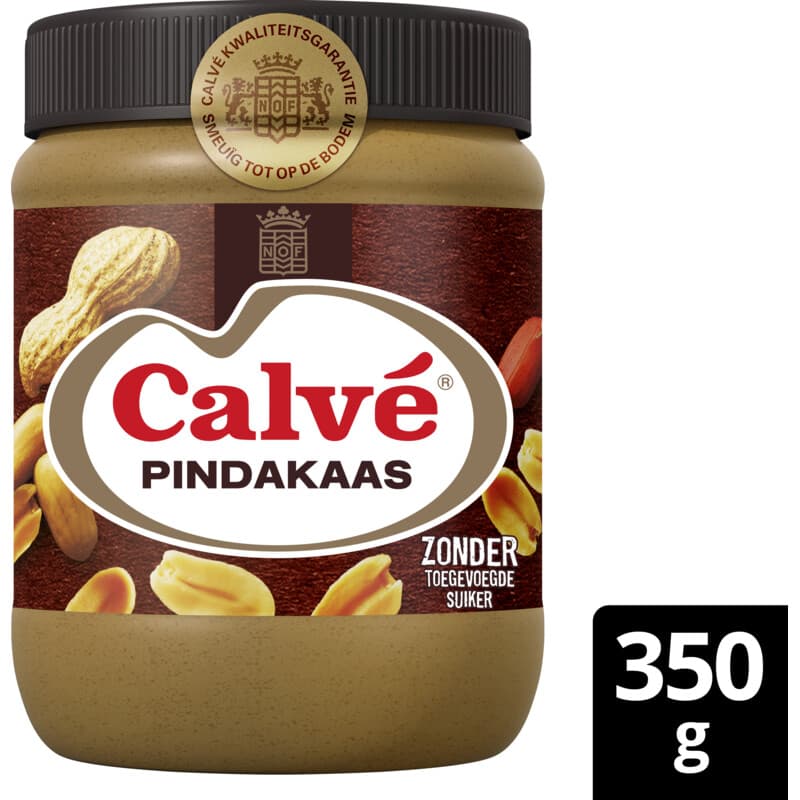
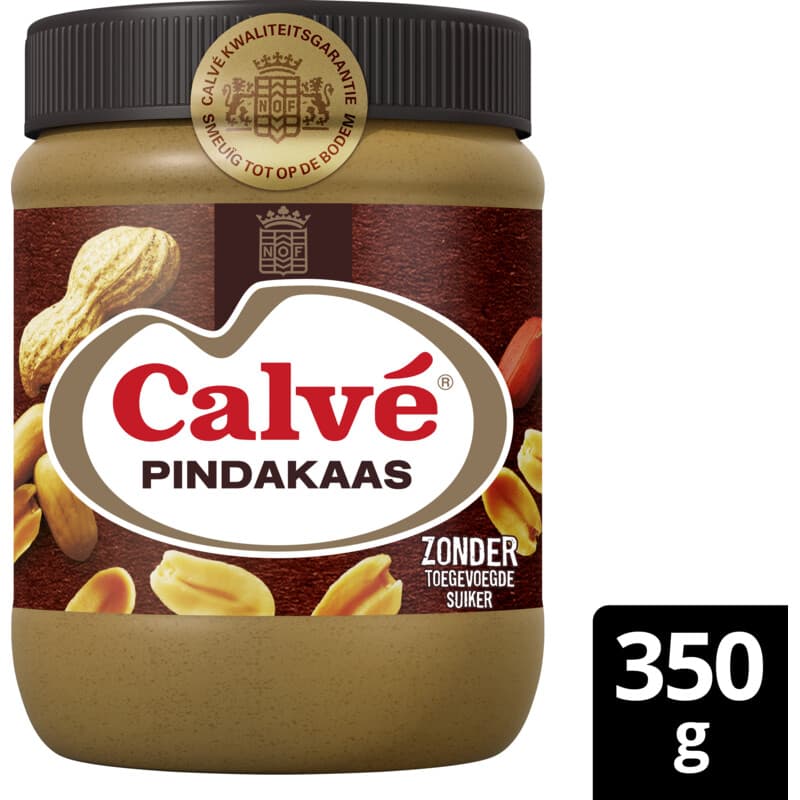
The tool scrapes daily prices from Albert Heijn, Jumbo, Dirk, Plus, Vomar, and Aldi, then uses AI matching to find equivalent products across stores. When you add Calvé Pindakaas 350g to your list, it doesn’t just show you six prices, it shows you that Aldi’s house brand pindakaas costs €0.95 while the A-merk (A-brand) hits €3.49 at Albert Heijn. That’s a €2.54 difference on one jar.
How Dutch Supermarket Pricing Actually Works
The Netherlands runs on a bizarre prijzenstrategie (pricing strategy) that would make a Amsterdam Zuidas (financial district) banker blush. Supermarkets deliberately create “known value items”, products you remember, like pindakaas, where they maintain higher margins, subsidizing loss leaders elsewhere.
Albert Heijn, the market leader, commands premium pricing power. Their AH Excellent line positions them as quality leaders while their bonuskaart (loyalty card) program builds psychological lock-in. Jumbo counters with “laagste prijsgarantie” (lowest price guarantee) but makes up margins on house brands and impulse purchases. Dirk, Plus, and Vomar play regional games, while Aldi and Lidl maintain their hard discount positioning.
This fragmentation creates arbitrage opportunities that MyChoice.market exploits. The tool’s AI matching algorithm achieves 99% accuracy by comparing product names, weights, ingredients, and even packaging images, something no human has time to do for a weekly shopping list.
Real Numbers: The Savings Are Absurd
Let’s get concrete. A five-product sample basket on MyChoice.market reveals the brutal truth:
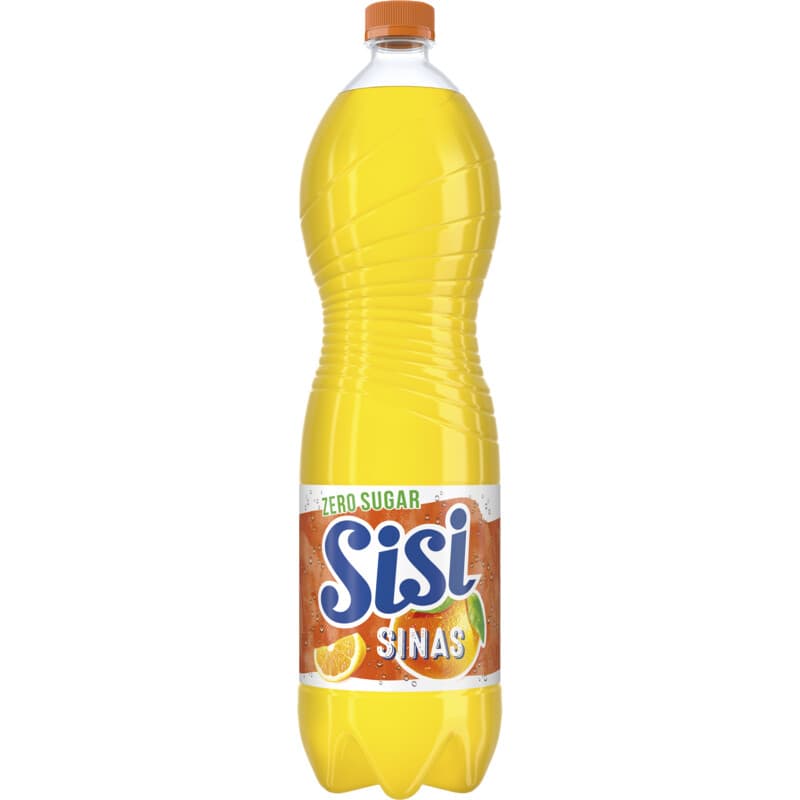
- Sisi Sinas 0% Suiker 1.5L: €2.15 at AH, €1.69 at Aldi (€0.46 difference)
- Calvé Pindakaas 350g: €3.49 at AH, €0.95 at Aldi (€2.54 difference)
- Colgate Tandpasta 75ML: €5.99 at AH, €1.79 at Aldi (€4.20 difference)
- Andrélon Shampoo 400ml: €6.55 at AH, €5.79 at Aldi (€0.76 difference)
Total basket: €21.72 at Albert Heijn vs. €5.18 at Aldi. That’s €16.54 saved on five items. Scale that to a weekly family boodschappen (groceries) budget of €100, and you’re looking at potential annual savings of €860, enough for a weekend trip to Barcelona that doesn’t involve Ryanair.
The Technical Guts: AI Matching and Scraping
Building this tool isn’t as simple as pulling prices from websites. Dutch supermarkets actively obfuscate product data. They use different naming conventions, package sizes, and even create retailer-exclusive variants to prevent direct comparison.
Egal’s tool uses web scraping combined with AI product matching that he describes as achieving “99% nauwkeurigheid” (99% accuracy). The system identifies equivalent products across stores, even when one calls it “pindakaas” and another “pindakaas 100% pinda’s”, by analyzing weight, ingredients, nutritional values, and images.
This technical moat explains why incumbent apps haven’t replicated the feature. It’s easier to show aanbiedingen (deals/offers) than to solve a complex data normalization problem at scale.
What’s Missing: The User Wishlist
No tool is perfect, and early adopters have been vocal about gaps. The most requested features include:
- Price per kilo/liter visualization: Many users want to see prijs per eenheid (price per unit) to catch shrinkflation, where packages shrink but prices stay the same. A 350g jar of pindakaas at €2.99 might look cheaper than a 500g jar at €3.49, but the unit price tells the real story.
- Price history graphs: Inspired by Tweakers’ prjs historie (price history) feature, users want to see if that “discount” is really a discount or just a return to the normal price after a temporary hike.
- Lidl integration: This is technically challenging. Lidl and Aldi historically don’t publish their full assortiment (assortment) and prijzen (prices) online. Aldi recently added their regular products to the website, which is why MyChoice.market now includes them. Lidl remains the white whale.
- Kruidvat and drugstore integration: Several users noted that Kruidvat (a Dutch drugstore chain) often beats supermarket prices on items like tandpasta (toothpaste) and shampoo. Including non-food retailers would create a true total cost picture.
The Business Model Question
Here’s where it gets interesting: MyChoice.market is completely free and requires geen account (no account). In an era where every app harvests your data, this is radical. Egal’s plan is to eventually monetize through a delivery service layer, imagine ordering from the cheapest store and having it delivered in one batch.
This model sidesteps the obvious conflict of interest that plagues other comparison sites. Many are funded by affiliate commissions from the very stores they’re supposed to critique. MyChoice.market’s independence gives it credibility, but sustainability remains an open question.
The Cultural Context: Dutch Frugality Meets Modern Tech
The tool’s emergence in the Netherlands is no accident. This is a country where people track their energy usage per uur (hour) on slimme meters (smart meters), where the term korting (discount) is practically a national religion, and where the zuinig (frugal) subreddit has 50,000+ members dissecting every euro.
Yet paradoxically, Dutch supermarket loyalty is strong. People shop at Albert Heijn because their parents did, because the store layout is familiar, because the bonuskaart (loyalty card) makes them feel savvy. MyChoice.market threatens this complacency by making the invisible visible, the true cost of convenience and brand loyalty.
Actionable Intelligence: How to Actually Use This
-
Build your standard list: Create a template of your weekly staples, brood (bread), melk (milk), eieren (eggs), groenten (vegetables), vlees (meat). This becomes your baseline.
-
Check before you shop: Spend 2 minutes each week plugging your list into MyChoice.market. The savings typically exceed €10-15, which works out to an hourly rate of €300.
-
Factor in reistijd (travel time): Saving €8 by shopping at Aldi doesn’t make sense if you burn €5 in petrol and 30 minutes crossing Amsterdam. The tool now shows store locaties (locations) to help with this calculus.
-
A-merk vs. house brand: Use the alternative suggestions feature. That €2.54 Calvé saving? It comes from switching to Aldi’s house brand. The AI matching shows you the quality trade-off (or lack thereof).
-
Stack with aanbiedingen (deals/offers): MyChoice.market shows everyday prices. Layer on weekly folder (folder) deals manually for maximum impact.
The Future of Grocery Shopping in NL
This tool is more than a convenience, it’s a market correction mechanism. By making price transparency effortless, it puts pressure on Albert Heijn and Jumbo to justify their premiums. Expect defensive moves: more “personalized” discounts that obscure true prices, exclusive product lines that break comparison tools, or acquisition offers for MyChoice.market.
For consumers, the winning strategy is clear: use basket-level comparison as your default, and let the supermarkets compete for your entire winkelwagen (shopping cart), not just your attention. The €860 annual saving isn’t just money, it’s a statement that in the Netherlands, even the most traditional habits are ripe for digital disruption.
The question isn’t whether you’ll adopt this tool. It’s whether your current supermarket can survive when everyone does.