
The Dutch tax system operates with the same precision as a Delta Works sluice gate, until you try to navigate the labyrinth of Box 3 (wealth tax box) reform. Finance Minister Eelco Heinen just learned this the hard way. After weeks of mounting pressure from investors, startups, and even international tech billionaires, Heinen admitted what many had feared: his flagship tax overhaul is fundamentally broken.
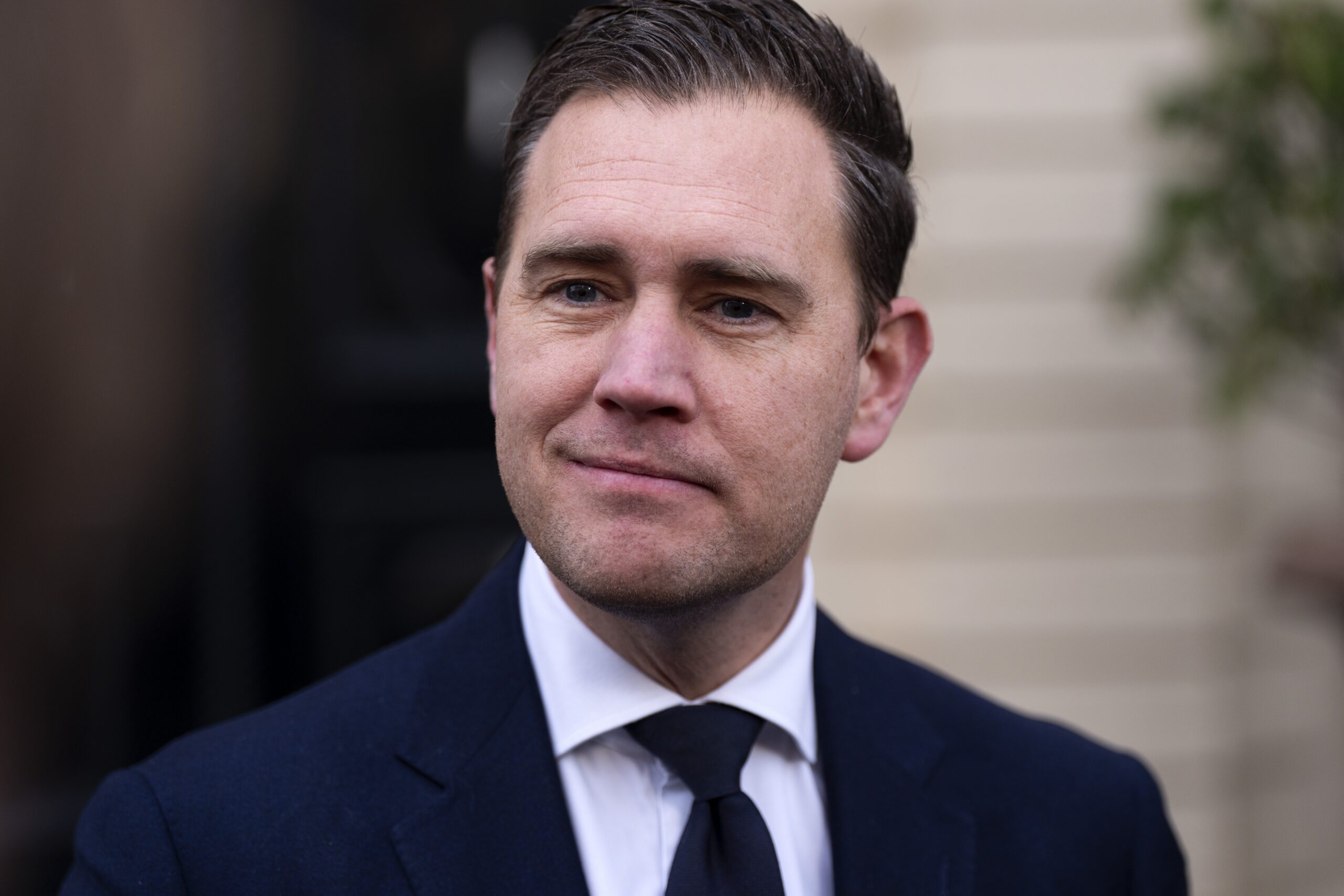
“I think the law cannot pass like this”, Heinen told reporters, confirming what the Eerste Kamer (Senate) had already signaled. The minister’s retreat marks a stunning reversal for a policy that passed the Tweede Kamer (House of Representatives) just weeks ago. But the devil, as always, hides in the details, specifically, how the reform handles losses and illiquid assets.
The Two Technical Flaws That Broke the Reform
The controversy centers on two design choices that seemed reasonable in The Hague but proved catastrophic in practice. First, the reform allows loss carryforward, but only forward, never backward. Second, it taxes paper profits on illiquid investments like startup shares, even when investors cannot sell to cover the tax bill.
The Loss Carryforward Problem
Under the proposed system, investors could offset future gains against past losses, but only within the same calendar year or in subsequent years. The catch? Losses cannot be carried back to reclaim taxes already paid in previous years. This creates a compounding problem: investors who pay tax during good years might never recover those payments if they experience losses later.
Many financial experts point out this asymmetry could lead to effective tax rates far exceeding the nominal 36% rate. The system penalizes volatile investments and rewards stable, low-risk portfolios, a perverse outcome for a reform meant to increase fairness. The Belastingdienst (Tax Authority) would essentially become a partner in your gains but not in your losses.
The Illiquid Asset Trap
The second flaw hits Dutch startups and scale-ups directly. The reform proposes taxing unrealized gains on shares in private companies annually, even though these shares cannot be easily sold. Employees receiving stock compensation face a particularly cruel scenario: they might owe substantial tax on paper wealth they cannot liquidate.
This issue attracted international attention when tech figures warned the policy would damage the investment climate. The concern resonated because it strikes at the heart of the Netherlands’ innovation economy, if talent and investors flee to more favorable jurisdictions, the fiscal damage could far outweigh any tax revenue gains.

The Backlash That Forced Heinen’s Hand
The political pressure built from multiple directions simultaneously. In the Eerste Kamer, where the government lacks a stable majority, senators from various parties expressed doubts about supporting the legislation without significant changes. The chamber scheduled technical briefings and expert consultations, effectively putting the reform on ice until at least May.
Public opposition grew louder as investors realized the practical implications. Many discovered they would pay tax on money they hadn’t actually made, a concept that struck ordinary savers as fundamentally unfair. The sentiment spread that the reform imposes up to 36% tax on unrealized gains, creating a tax trap that could drain wealth even during market downturns.
International voices amplified domestic concerns. High-profile criticism highlighted how the Netherlands would become an outlier among developed economies. The message to global investors became increasingly negative: the country that once welcomed capital now seemed determined to punish it.
Prins Constantijn, serving as special envoy for Techleap, delivered perhaps the most cutting assessment. He described the reform as a “temporary solution” that creates dangerous uncertainty for foreign investors and talent considering the Netherlands. The message they receive, he warned, is clear: “Nederland is not open for business.”
Heinen’s “Back to the Drawing Board” Moment
Faced with this multi-front assault, Heinen chose strategic retreat over political martyrdom. He announced plans to revise the legislation, acknowledging that “something simply went wrong” in the current design. The minister emphasized he has time to adjust before the 2028 implementation date, but his timeline faces pressure from financial institutions that need clarity to update their systems.
The revision process remains vague. Heinen hasn’t specified whether he’ll scrap the entire proposal or patch specific flaws. He mentioned working with State Secretary Eelco Eerenberg (D66) to consult both parliamentary chambers, suggesting a comprehensive review rather than minor tweaks.
This uncertainty creates its own problems. Banks and insurers warned they need sufficient lead time to adapt their administrative systems. Every year of delay costs the treasury hundreds of millions in lost revenue, yet rushing a flawed system into law could prove even more expensive.
What This Means for Your Investment Strategy
For Dutch investors, the minister’s admission offers temporary relief but little long-term clarity. The fundamental question remains: how will the Netherlands tax wealth in the future?
The BV Alternative Looks Less Appealing
Many investors considered moving assets into a Beleggings BV (investment private limited company) to escape Box 3. However, this strategy carries its own risks. While BV structures offer different tax treatment, they involve corporate tax and dividend taxes that can result in higher overall burdens. As one analysis shows, forming a BV might cost more than it saves, and the BV mirage could prove expensive.
Grassroots Resistance Grows
Investors aren’t waiting passively for political solutions. A protest movement against the reforms has gained momentum, with many calling for a system that taxes only realized gains. The debate has shifted from technical adjustments to fundamental questions about fairness and economic competitiveness.
Unintended Consequences Emerge
Ironically, the reform designed to increase fairness may create wealth protection for millionaires who can afford sophisticated tax planning. Meanwhile, middle-class investors with modest portfolios face the full brunt of the paper profits tax. The reform could also inflate housing prices as investors shift from liquid assets to real estate, which receives more favorable treatment.
The Path Forward: Uncertainty Through 2026
Heinen’s retreat creates a policy vacuum. The original timeline aimed for 2028 implementation, but that now seems optimistic. The Eerste Kamer’s demand for thorough review, combined with the complexity of redesigning loss carryforward rules, suggests at least a year of uncertainty.
Meanwhile, investors face difficult choices. Some are exploring dividend investing strategies to minimize tax exposure. Others are restructuring portfolios to reduce volatility, though this may lower long-term returns. The most cautious are moving assets abroad, though this triggers its own tax complications.
The government must balance competing pressures: generating revenue, maintaining fairness, preserving economic competitiveness, and respecting legal constraints from previous court rulings. The current coalition’s narrow majority in the Eerste Kamer gives dissenting senators significant leverage, meaning any revised proposal must win broad support.
What You Should Do Now
If you have significant Box 3 assets, take three immediate steps:
-
Model scenarios: Calculate how different reform versions would affect your tax burden. Pay special attention to loss carryforward assumptions and illiquid asset treatment.
-
Review your portfolio structure: Assess whether your current mix of liquid and illiquid investments remains optimal under uncertain tax rules. Consider the trade-offs between BV structures and direct ownership.
-
Stay informed but avoid panic: The political process will likely produce multiple revisions before final legislation. Making drastic changes based on draft proposals risks overreacting to provisions that may never become law.
The Box 3 saga reveals a deeper truth about Dutch policymaking: even well-intentioned reforms can founder on technical details and political reality. Heinen’s admission that his proposal “cannot pass” demonstrates refreshing honesty, but it also highlights the challenge of designing wealth taxes that are both fair and workable.
For now, investors can breathe easier knowing the most problematic aspects of the reform will likely change. But the underlying question remains unresolved: how can the Netherlands tax wealth effectively without driving capital away? Until policymakers answer that question satisfactorily, uncertainty will continue to cloud investment decisions.
The next few months will prove critical. As Heinen returns to the drawing board, investors, startups, and international observers will watch closely to see whether the Netherlands can craft a system that balances revenue needs with economic reality, or whether this reform becomes another casualty of the country’s complicated relationship with wealth taxation.