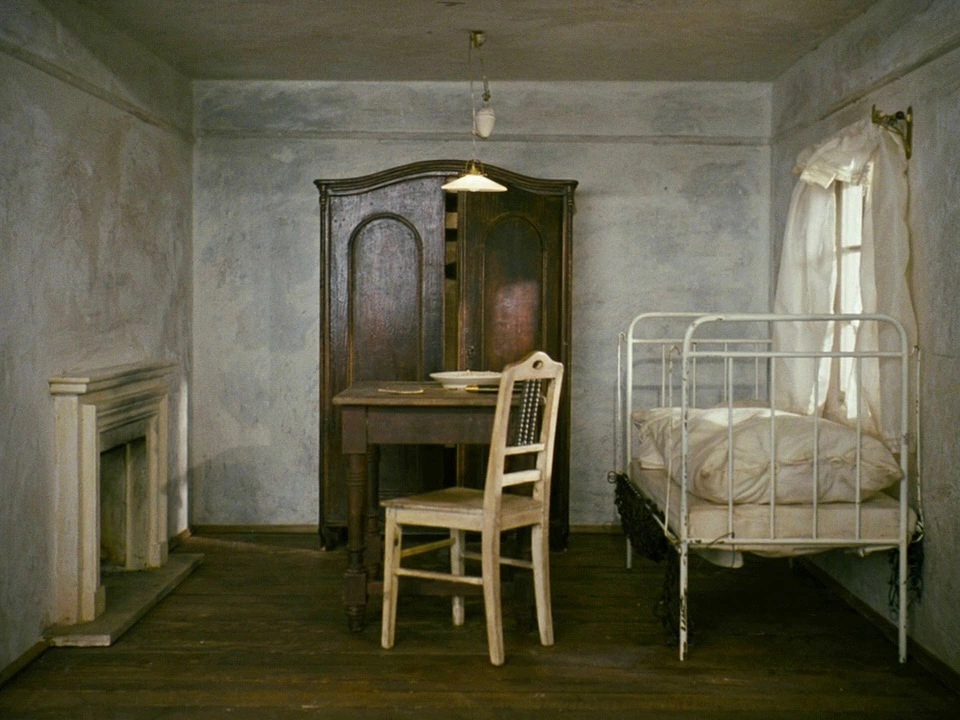
The Dutch have mastered the art of frugal living, but the zolderkamer (attic room) presents a unique challenge that even the most zuinig (frugal) among us struggle to solve. When temperatures drop to 11-13°C in an unheated attic bedroom, you’re not just battling cold, you’re navigating a complex web of child safety, structural integrity, and eye-watering energy costs. The debate isn’t simply about comfort, it’s about whether maintaining 17°C overnight for a toddler is a parental necessity or a financial sin in a country that prides itself on toughness.
The Temperature Tug-of-War: Safety vs. Tradition
Dutch cultural norms around indoor climate clash sharply with modern safety recommendations. Many locals who grew up without bedroom heating insist that 11-13°C is perfectly healthy, arguing that a donzen slaapzak (down sleeping bag) and wool layers suffice. This perspective reflects a broader Dutch sentiment: over-verwarming (over-heating) is wasteful and softens children unnecessarily.
However, health authorities maintain that 18°C represents the minimum for occupied spaces, dropping slightly during sleep. For a 22-month-old in a poorly insulated zolderkamer, the risks extend beyond comfort. Cold stress in toddlers can disrupt sleep quality and immune function, while the immediate threat of schimmel (mold) growth becomes more pressing than nostalgic arguments about “how we survived.” The controversy intensens when you realize that Dutch building practices often place bedrooms within the insulated shell, meaning your child’s cold room actively draws heat from the rest of your house, undermining overall energy efficiency.
The Electric Heater Trap: Why “Goedkoop is Duurkoop”
Electric heating in the Netherlands operates under some of Europe’s highest residential electricity rates, making the “cheap heater” solution a classic case of goedkoop is duurkoop (cheap becomes expensive). When you’re paying €0.40+ per kWh, that €50 electric kacheltje (little heater) becomes a financial liability.
The math is brutal: heating a 15m² attic from 7°C to 17°C requires approximately 1.5kW running continuously for several hours. At Dutch electricity prices, that’s €6+ per night, €180 monthly just for one room. Compare this to gas heating at roughly €0.15 per kWh equivalent, and you’re paying a 267% premium for the same thermal comfort.
A factual comparison between electric and gas heating reveals that even inefficient gas systems outperform electric resistance heating on cost. The Dutch government’s own verduurzaming (sustainability) advisors acknowledge that electric heaters are only viable for incidental use, not as primary heating sources.
The Schimmel Factor: Why 15°C is Your Red Line
Dutch building science introduces a non-negotiable constraint: spaces must stay above 15°C to prevent moisture damage. Below this threshold, condensatie (condensation) forms on cold surfaces, creating ideal conditions for schimmel (mold) and houtrot (wood rot). This isn’t just about health, it’s about preserving your woning (property) value in a market where moisture damage can trigger mandatory disclosures and price reductions.
The 15°C rule becomes critical in attics where ventilation is often inadequate. Many Dutch homes rely on natural luchtcirculatie (air circulation) through trickle vents, which fail when temperature differentials between inside and outside become too extreme. If your attic regularly hits 7°C, you’re not just cold, you’re potentially violating the minimum conditions for building preservation.
Strategy Showdown: Constant Low vs. Intermittent High Heating
The core technical debate centers on thermal dynamics. Should you maintain a baseline temperature of 12-14°C continuously, or let the room drop to 7°C and reheat on demand?
Constant Low Heat Advantages:
– Prevents schimmel risk entirely
– Reduces peak power demand (better for your aansluiting/connection capacity)
– Maintains more stable humidity levels
– Less thermal shock to building materials
Intermittent High Heat Advantages:
– Lower absolute energy consumption (no standby losses)
– Only pay for heat when needed
– Avoids heating empty rooms
The Dutch consensus among energy advisors leans toward intermittent heating for sporadically used spaces, but with a critical caveat: you need a fast-response heating system. Standard electric convectors heat air slowly, making the “reheat from cold” strategy uncomfortable and inefficient. This is where targeted solutions become essential.
Infrared Panels: The Dutch Compromise
Infrared panelen (infrared panels) have gained traction in the Netherlands as a middle-ground solution. Unlike convection heaters that warm air, infrared directly heats objects and people, creating a perceived temperature 3-4°C higher than the actual ambient temperature.
A halogen heater comparison shows these systems can achieve 30-40% energy savings in poorly insulated spaces because they bypass air heat loss. For a study corner in a cold attic, a 600W infrared panel directed at your workspace provides comfort while the rest of the room remains at 12°C.
The limitation is exactly what Dutch users report: infrared doesn’t warm the room uniformly. If you’re not in the direct stralingsgebied (radiation zone), you feel cold. This makes it ideal for static activities (studying, working) but poor for dynamic use or sleeping, where you need consistent ambient warmth.
The Heat Pump Question: Investing in Permanent Solutions
Many Dutch homeowners suggest installing a vaste airco (fixed air conditioner) that functions as a warmtepomp (heat pump). Modern split units achieve a COP (Coefficient of Performance) of 4-5, meaning 1kWh of electricity moves 4-5kWh of heat, effectively quartering your energy costs compared to resistance heating.
The controversy lies in payback time. A quality installation costs €2,000-3,000, which only makes sense if:
– You own the property (most Dutch rental contracts prohibit such modifications)
– The attic sees daily use for 5+ years
– You can combine it with zonnepanelen (solar panels) to offset electricity costs
For a student in a schuur (shed) conversion or a young family in a starter home, this investment often exceeds the room’s value. The Dutch pragmatism kicks in: why spend €2,000 on a heat pump when €180/month in electric heating represents only 11 months of use?
Practical Dutch Solutions That Actually Work
Based on real-world Dutch experiences, here’s the hierarchy of practical solutions:
Tier 1: Immediate, Low-Cost
– Elektrische onderdeken (electric underblanket) for pre-warming beds: 60W for 30 minutes costs €0.01
– Verwarmingskussen (heating cushion) like Stoov brand for localized warmth while studying
– Temporary door seals and draft excluders (€20-30 at Action)
– Radiatorfolie (radiator foil) behind any heating elements to reflect heat inward
Tier 2: Moderate Investment
– Smart panel heater with precise thermostat control (the FlinQ panel heater offers 1000W/2000W settings for rooms up to 28m²)
– Improve ventilation with a mechanische ventilatie (mechanical ventilation) unit to reduce moisture
– Insulate the attic hatch and add temporary vloerisolatie (floor insulation) rolls
Tier 3: Permanent Solutions
– Fixed air-to-air heat pump (only if owning and long-term use)
– Full insulation retrofit (often requires VvE (Homeowners Association) approval in appartementen/apartments)
– Relocate bedroom to a space within the insulated building envelope
The Verdict: Context-Dutch Decision Making
There’s no universal answer because Dutch housing stock varies dramatically. For a toddler’s bedroom, the 17°C minimum is non-negotiable from a health perspective, making electric heating a necessary evil, budget for €150-200 monthly during winter. For a student studying sporadically in a schuur, infrared panels plus a heated cushion deliver adequate comfort at €30-40 monthly.
The most Dutch solution? Accept that some spaces aren’t suitable for regular occupancy. The cultural tendency to “make do” with suboptimal housing clashes with modern comfort standards, but the financial math is clear: heating a poorly insulated zolderkamer to livable temperatures costs more than renting a better-insulated room elsewhere.
If you’re stuck with an attic bedroom, implement a hybrid strategy: maintain 12°C baseline with a thermostat-controlled panel heater to prevent schimmel, supplement with targeted infrared during active use, and invest in the best bedding money can buy. It’s not perfect Dutch efficiency, but it’s the reality of living in a country where historical building stock meets 21st-century energy prices.