You walk into a dealership ready to buy a car with cash, contanti (cash), and the salesman looks at you like you’ve suggested paying in livestock. “Are you sure?” he asks, pulling out a calculator. “Because if you finance it, you’ll actually pay less.”
This isn’t a fantasy. Across Italy, from concessionari (car dealerships) to telecom shops, sellers are aggressively pushing finanziamenti (financing) and rateizzazione (installment plans) even when the total cost with interest appears lower than the upfront cash price. The math seems impossible. If borrowing money costs interest, how can monthly payments totaling €18,000 be cheaper than a €20,000 cash price?
The answer lies in a complex web of retail banking partnerships, hidden commissions, and psychological pricing that turns Italian consumers into unwitting revenue streams for financial institutions.
The Telecom Template: When Cash Isn’t King
Walk into any WindTre, Vodafone, or TIM store to buy the latest Samsung Galaxy S26, and you’ll encounter the Telefono Incluso (Phone Included) or Telefono No Problem (TNP) mechanisms. These aren’t simple payment plans, they’re sophisticated financial products designed to make cash payments economically irrational.
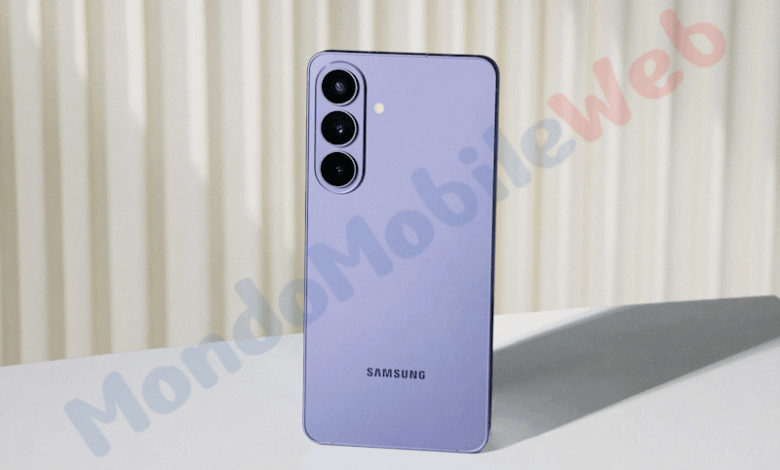
Take WindTre’s current structure: the Samsung Galaxy S26 512GB costs €18.99 per month for 36 months when bundled with their Unlimited 5G plan at €14.99 monthly. That’s a total device cost of roughly €683 spread over three years. But try to buy it outright with cash, and you might find the “list price” mysteriously higher, or the option simply unavailable during pre-order periods.
Vodafone Italia operates similarly. During the recent Galaxy S26 pre-order phase, the device was available exclusively through Telefono No Problem (TNP) at €28 per month for 24 months, totaling €672. Cash buyers were effectively locked out of pre-orders entirely, forced to wait until general availability when the listino (price list) might show different numbers entirely.
TIM takes this further with their TIMFin system, which recently promoted “2×1” Valentine’s deals requiring dual financing activation, one for each device. Two Motorola Moto G35 phones for €4 per month each sounds like a steal, but the structure forces customers into separate financing contracts with tasso zero (zero interest) that aren’t actually free.
The Hidden Commission Economy
So where’s the catch? If financing is “cheaper”, who’s paying the difference?
Italian retailers have transformed into brokers for financial institutions. When you sign that 36-month contract with WindTre, you’re not just buying a phone, you’re originating a loan for Compass or Findomestic, the banking partners behind these installment schemes. The retailer receives a commission from the financial institution for bringing them a new debtor, often ranging from 3% to 8% of the financed amount.
This creates a perverse incentive structure. A salesman pushing a €1,000 smartphone earns a higher immediate commission by financing it than by selling it for cash. The €6.99 costo di attivazione (activation fee) you pay to WindTre for their Telefono Incluso service? That’s just the tip of the iceberg. The real money flows behind the scenes between the telecom operator and the credit provider.
Many international residents report confusion at this system, noting that in their home countries, cash buyers typically receive discounts, not penalties. But Italy’s retail landscape operates on the opposite principle: cash customers are scontati (discounted) out of the market because they don’t generate the secondary revenue stream that financing creates.
The Optical Illusion of “Zero Interest”
The most insidious aspect is the effetto ottico (optical effect) created by zero-interest offers. When TIM advertises tasso zero and anticipo zero (zero down payment), consumers naturally assume they’re getting free money. They’re not.
Consider the Reddit case study of the €500 eyeglasses offered at €400 via installment. The cash price was inflated to €500 precisely to make the €400 financed price appear attractive. The retailer never expected anyone to pay €500, that number exists only to make the financing look like a €100 discount. In reality, the glasses’ true value was likely around €300, meaning the financed €400 still nets the seller a healthy profit while the financing company earns interest on the spread.
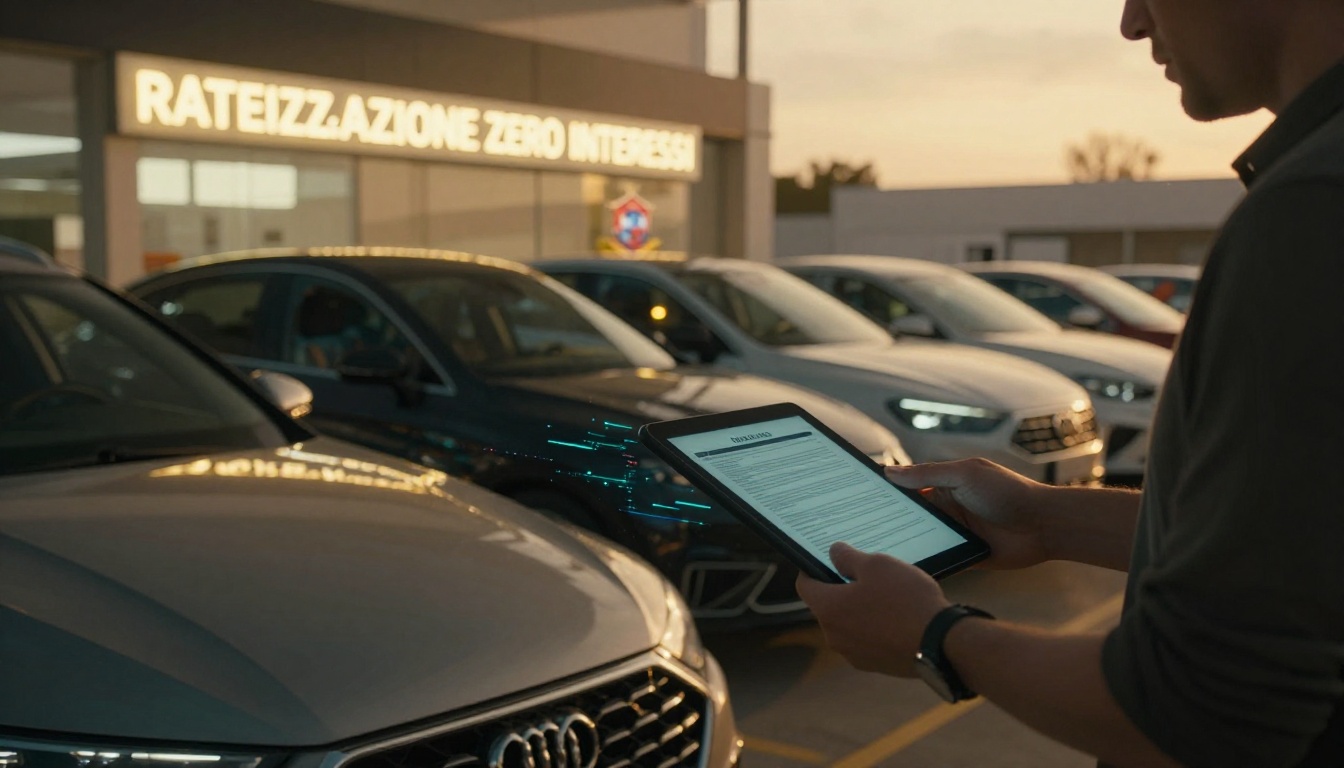
Car dealerships play the same game. A vehicle listed at €25,000 cash might be offered at €23,000 via financing, but that €23,000 figure excludes the riscatto finale (final balloon payment) or includes subsidies from the financing company that aren’t available to cash buyers. Many buyers report discovering their “cheap” financed car actually cost €7,000 more once all fees and the final payment were calculated, despite the monthly rate appearing lower than the cash price divided by months.
Lock-In: The Real Product Being Sold
The true commodity isn’t the smartphone or the car, it’s you, locked into a 36-month relationship.
When you accept WindTre’s Rata Smart (Smart Installment) or Vodafone’s TNP, you’re not just borrowing money, you’re guaranteeing the telecom operator three years of monthly service fees. The €14.99 mobile plan bundled with that €18.99 phone payment isn’t optional. Try to cancel the service, and the finanziamento (loan) immediately becomes oneroso (burdened with interest), with penalty rates applied retroactively.
This is why retailers push financing even when the math seems favorable to the consumer. They’re selling fidelizzazione (customer loyalty) to their corporate partners. A cash customer can leave tomorrow. A financed customer is legally bound for 36 months, paying both the device and the service plan, generating predictable revenue streams that telecom companies can securitize and sell to investors.
The Reload services offered by WindTre, insurance and replacement plans for financed phones, further deepen this dependency. Once you’re in the ecosystem, every screen crack becomes an opportunity to extend your financial commitment through additional services.
How to Navigate the Financing Maze
If you find yourself in an Italian store being pushed toward financing despite having cash, consider these tactics:
Calculate the Total Cost of Ownership (TCO): Add up every monthly payment, activation fees (costi di attivazione like WindTre’s €6.99), mandatory service plans, and the final riscatto (buyout payment). Compare this to the cash price plus the cost of a SIM-only plan from a gestore virtuale (virtual operator) like Iliad or ho.mobile.
Question the Cash Price: If the seller insists financing is cheaper, ask why the cash price is inflated. In many cases, simply threatening to walk away suddenly makes a “cash discount” appear that matches the financed price.
Check for Hidden Insurance: Many rateizzazione plans automatically include Assicura Smartphone (smartphone insurance) or TIM Club memberships (costing €14.99 one-time) that you didn’t request. These are often presented as mandatory but can sometimes be removed if you ask specifically.
Consider the Opportunity Cost: Even if financing appears €100 cheaper upfront, calculate what you’re giving up. A 36-month contract prevents you from switching to better mobile deals, and early termination often triggers penalty clauses that wipe out any initial savings.
The Italian market has perfected the art of making debt look like a discount. But as any financial advisor will tell you: when someone insists you borrow money to save money, check your wallet. The fregatura (scam) isn’t always in the fine print, sometimes it’s in the bold print of the “special offer” that sounds too good to be true.