
A 2.8% pay raise sounds decent until you realize inflation is 3.6%. That 0.8% gap represents money evaporating from your wallet before you even spend it. For workers in Austria’s energy sector, this isn’t just bad math, it’s a calculated insult delivered by their own representatives.
The new EVU (Energieversorgungsunternehmen – Energy Supply Companies) Kollektivvertrag (collective agreement) for 2026 has landed with a thud across break rooms in Vienna, Graz, and Linz. While energy companies post record profits that would make a Swiss banker blush, the workers keeping Austria’s lights on and factories humming are being asked to accept a pay cut disguised as a raise.
The Arithmetic of Betrayal
Let’s cut through the spin. A 2.8% wage increase against 3.6% inflation equals a 0.8% Reallohnverlust (real wage loss). That might sound abstract, but on a €3,000 monthly salary, you’re losing €24 per month in purchasing power. Over a year, that’s €288 gone, roughly two weeks of groceries for a family of four.
The energy sector isn’t struggling. These companies have been swimming in what Germans call “Übergewinne” (excess profits) since the energy crisis turned into a windfall. While households faced exploding bills, energy suppliers saw margins fatten. The industry’s profitability makes this Kollektivvertrag particularly galling. Traditionally, strong sectors paid inflation plus productivity gains. Now they’re offering inflation minus something.
Many workers expected their Gewerkschaft (trade union) to leverage this strength. Instead, they got a deal that feels like management wrote it during their lunch break.
Generation War by Spreadsheet
The agreement’s so-called “Gesundheitstage” (health days) reveal the dirty secret of modern Austrian labor negotiations: pitting workers against each other.
Here’s how the math works against younger employees:
– Under 40 years old? You get zero additional health days
– Already have six weeks of vacation? Two of your three health days disappear
– Everyone else gets three extra days off
A 30-year-old technician at EVN or Wien Energie essentially funds their colleague’s free time through the low percentage increase. This isn’t Solidarität (solidarity), it’s redistribution from young to old wrapped in wellness jargon. The union sold it as progress while younger members watch their effective compensation shrink twice: once through inflation, once through opportunity cost.
The Trap of the One-Time Payment
That €400 Einmalzahlung (one-time payment) looks generous until you understand compound interest in reverse. It doesn’t raise your base salary, which means next year’s raise starts from the same depressed level. Over a 40-year career, this single decision could cost a worker thousands in cumulative earnings.
Think of it like this: if your salary is a staircase, a proper raise adds a permanent step. A one-time payment is just a ladder you have to climb down next year. The Zinseszinseffekt (compound interest effect) works both ways, and workers just lost decades of potential growth.
When Your Lunch Gets More Expensive Than Your Raise
The Diäten (allowances) increase of 2.0% might be the most tone-deaf part of this entire package. Anyone who’s visited a Wirtshaus (traditional Austrian restaurant) in the last year knows food prices have jumped far beyond that. The union negotiators apparently haven’t bought their own lunch recently.
This disconnect between negotiated numbers and lived reality highlights a growing problem in Austrian labor relations. The people at the table seem to be playing by economic models while workers deal with actual prices at the Hofer checkout.
A Pattern, Not an Accident
The EVU deal doesn’t exist in isolation. Austria’s IT sector recently faced offers of 0% increases during their Kollektivvertrag negotiations, despite tech companies posting robust profits. The public sector saw similar real wage losses, with unions accepting deals that left their members poorer while securing privileges for functionaries.
This pattern suggests something structural has shifted. The traditional balance between Arbeitgeber (employers) and Arbeitnehmer (employees) has tipped. Unions, once feared opponents at the negotiating table, now appear to be co-managers of decline.
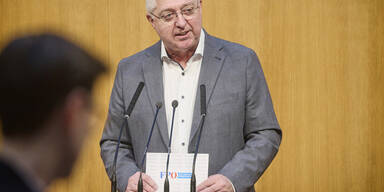
The political theater surrounding these deals adds another layer of frustration. FPÖ politician Werner Herbert publicly railed against “miserable” wage deals for public servants while simultaneously supporting special allowances for union functionaries. This hypocrisy exemplifies how wage negotiations have become a game of managed expectations rather than genuine bargaining.
Why Your Personal Inflation Makes This Worse
Official inflation figures already understate what workers actually experience. If you’re renting in Vienna’s overheated housing market or have children in private Kindergarten, your personal inflation likely exceeds 5%. The gap between the official 3.6% and your real cost increase means the 0.8% Reallohnverlust is probably closer to 2% or more.
This is why why official inflation metrics underestimate real cost-of-living increases for workers matters so much. The Kollektivvertrag uses aggregate data that doesn’t reflect individual hardship.
The Hidden Cost of “Stability”
Union leaders will defend this deal as necessary for “economic stability” or to “preserve jobs.” But stability for whom? Energy companies maintain profit margins while workers lose purchasing power. The threat of job losses in a sector desperate for skilled workers rings hollow.
This logic has infected other sectors too. Ongoing wage disputes in Austria’s tech sector despite strong industry profits show the same pattern: profitable companies pleading poverty while offering raises that don’t keep pace with the Billa price tags.
What You’re Actually Losing
Let’s get concrete. On a €45,000 annual salary:
– 2.8% raise = €1,260 more gross per year
– 3.6% inflation = €1,620 in lost purchasing power
– Net result: -€360 in buying power
Add the missing compound growth from the €400 Einmalzahlung (one-time payment) and the opportunity cost of not getting proper health days, and a 30-year-old worker loses roughly €1,500 in total compensation in year one alone.
Multiply that across Austria’s 20,000 energy sector employees, and workers collectively lose millions while shareholders celebrate dividend increases.
Is This Even Legal?
Yes, which is the problem. Austrian law sets minimum standards, not maximums. A Kollektivvertrag can be worse than inflation as long as it doesn’t dip below legal minimums. Many workers don’t realize that workers being underpaid relative to legally mandated collective agreement wages is a separate issue, this deal meets legal requirements while still impoverishing employees.
The real question is whether unions are fulfilling their duty to represent members’ interests. When union leaders become co-authors of real wage loss, their legitimacy crumbles.
The Pension Connection
This wage stagnation dovetails with broader retirement insecurity. Recent changes to Austria’s occupational pension system shift more responsibility onto individual workers just as their disposable income shrinks. Lower wage growth today means smaller pension contributions tomorrow, creating a double hit in retirement.
Young workers face a perfect storm: smaller raises now, reduced pension accumulation, and a system that increasingly asks them to self-fund retirement through Betriebliche Vorsorge (occupational pension) schemes they can barely afford.
What Workers Can Actually Do
-
Document everything: Keep records of your actual cost increases, rent, food, transport. Use these in individual Gehaltsverhandlungen (salary negotiations).
-
Challenge the narrative: When union reps call this a “fair compromise”, demand they show their own salary increases. The gap between leadership and member compensation often reveals priorities.
-
Consider your options: In a sector with skill shortages, individual bargaining power increases. Threatening to leave for a competitor still carries weight, especially when companies cry poverty while posting profits.
-
Vote with your feet: Some workers are leaving traditional energy companies for renewable energy startups or leaving the sector entirely. Labor mobility is the ultimate check on corporate greed.
-
Push for transparency: Demand that unions publish detailed voting records on Kollektivvertrag approvals. Know which representatives sold you out.
The Bottom Line
The EVU Kollektivvertrag 2026 isn’t just a bad deal, it’s a signal that the post-war Austrian social partnership model is cracking. When profitable industries can’t even match inflation, the system isn’t broken, it’s been repurposed to manage worker expectations downward.
Energy workers have the leverage. Their skills are in demand, their employers are profitable, and their work is essential. Accepting a Reallohnverlust (real wage loss) now sets a precedent that will haunt them for decades.
The question isn’t whether this is the worst deal in decades. The question is what workers will do about it before the next negotiation cycle begins.