The Austrian Used Car Goldilocks Zone Is a Trap: Here’s What Actually Saves Money
The Austrian used car market operates with the same precision as a Viennese coffee house menu, until you realize everyone’s ordering the same overpriced Einspänner. That sweet spot between modern tech and manageable maintenance costs? It’s not where you think it is. While conventional wisdom points to 2007-2017 models as the ideal range for balancing features and reliability, this narrow focus has created a paradox: the “Goldilocks zone” has become the most expensive place to shop.
Why Everyone’s Wrong About the 2007-2017 Sweet Spot
The theory sounds bulletproof. Cars from 2007-2017 offer most modern conveniences, ABS, airbags, decent infotainment, without the tablet-on-wheels complexity of newer vehicles. You get physical buttons, avoid the worst of electronic gremlins, and skip the brutal new-car depreciation curve. But here’s the catch: when everyone believes the same thing, the market adjusts accordingly.
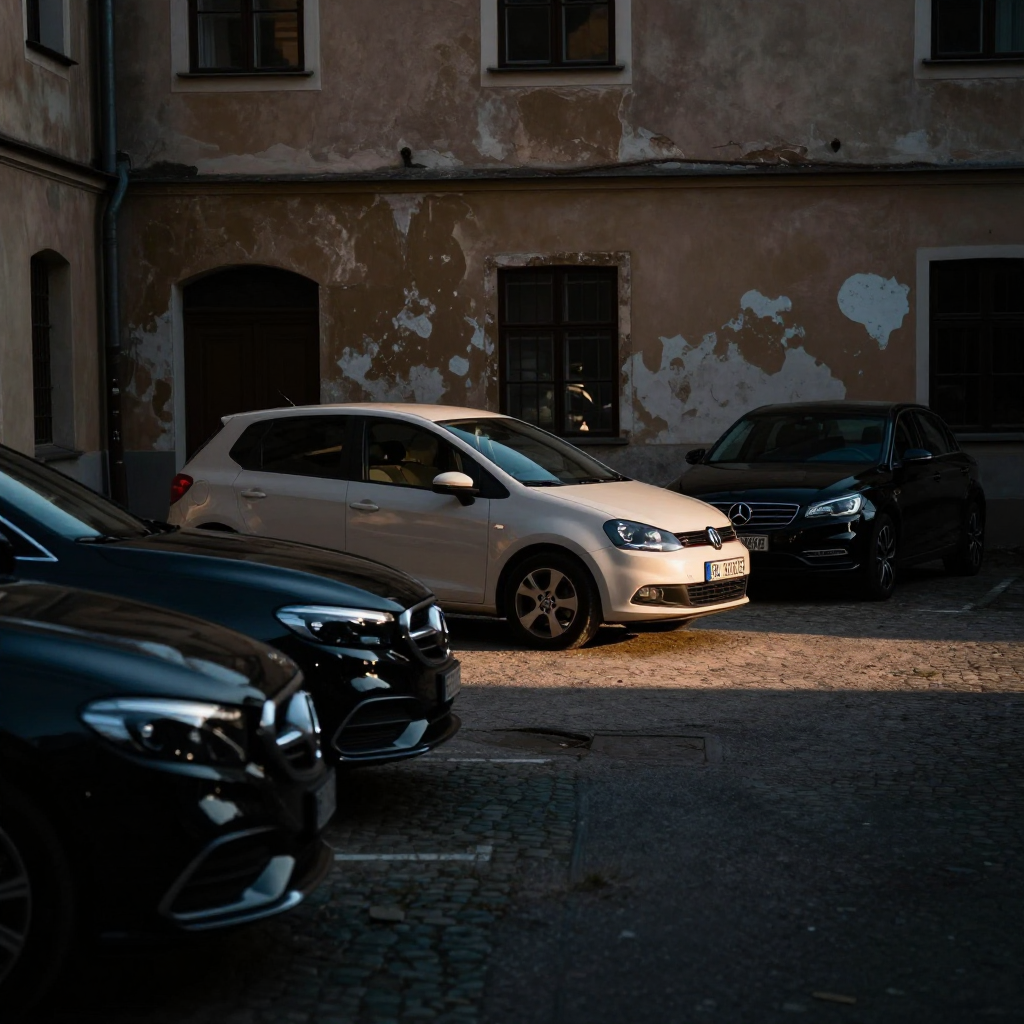
German premium brands dominate Austrian driveways for emotional reasons, not rational ones. A used 3-series BMW or E-Class Mercedes commands irrational premiums because buyers aren’t purchasing transportation, they’re buying status that fits their mental image of “proper” Austrian mobility. These models have become Veblen goods in the Gebrauchtwagen (used car) market, with prices divorced from actual utility.
Meanwhile, the genuinely cheap compacts—Renault Clio, Twingo, similar small runabouts—have vanished from Austrian listings. They’ve been exported to the Balkans or southern markets where they’ll soldier on for another decade or two. What’s left in Austria are the emotionally overpriced “premium” options and the mysteriously absent budget choices.
The 10-10-10 Rule Is Financial Nonsense
Internet wisdom suggests the “10-10-10” rule: younger than 10 years, cheaper than €10,000, under 100,000 kilometers. The Austrian response to this? Many experienced owners would counter with a different formula: younger than 10 years, up to 200,000 kilometers, and obsessively maintained.
The kilometer myth particularly needs busting. A 200,000km diesel with highway miles and meticulous service history often outlives a 90,000km garage queen used exclusively for Kurzstrecken (short trips) to the Billa and back. Short trips kill engines, cold starts, incomplete regeneration cycles, condensation buildup. That low-mileage gem your aunt is selling? It might have half its expected lifespan remaining despite the attractive odometer reading.
Professional Insight
Professional mechanics in Austria look for evidence of “unnecessary” maintenance: early oil changes, DSG transmission service done on schedule, brake fluid replaced proactively. These are the markers of an owner who understood that prevention costs less than repair. The Scheckheft (service booklet) tells a story, but only if you know how to read between the lines.
Where Austrian Bargains Actually Hide
If the Goldilocks zone is a premium-priced mirage, where do smart buyers hunt? The answer lies in specific models that Austrian buyers overlook for cultural reasons.
The VW up!/Skoda Citigo/Seat Mii trio represents the sharpest value proposition. Post-2015 models with the MPI engine (not the TSI) cost next to nothing to buy and maintain. Pre-2015 versions suffer from severe rust around the fuel cap, avoid them like a parking ticket in Vienna’s first district. These city cars sip fuel at 5-5.5L/100km, attract minimal insurance premiums, and feature rock-bottom road tax. Get them serviced at an independent Werkstatt (workshop), never at the official VW dealer network.
For those needing more space, the Polo, Ibiza, or Fabia Kombi with MPI engines offer similar economics with added practicality. The TSI engines are robust but dislike short-trip operation, making them a questionable choice for urban residents.
The Tax Trap Every Self-Employed Buyer Must Know
Here’s where Austrian bureaucracy adds a twist that can torpedo your “smart” purchase. The Luxustangente (luxury tangent) rule from the Finanzamt (Tax Office) caps tax-deductible vehicle costs at €40,000 for business use. For Gebrauchtwagen (used cars) under five years old, the calculation uses the original new price, not your purchase price.
Buy a three-year-old Audi that listed for €60,000 new, even if you pay only €30,000 used, and you can only depreciate two-thirds of your actual cost, €20,000. The remaining €10,000 becomes non-deductible. This effectively raises your after-tax cost by thousands.
The WKO (Wirtschaftskammer Österreich) clarifies: only when a vehicle passes its fifth birthday does the Luxustangente calculation switch to your actual purchase price. This single rule makes six-year-old vehicles radically more attractive for Selbstständige (self-employed professionals) than nearly-new examples.
Real Depreciation vs. Perceived Value
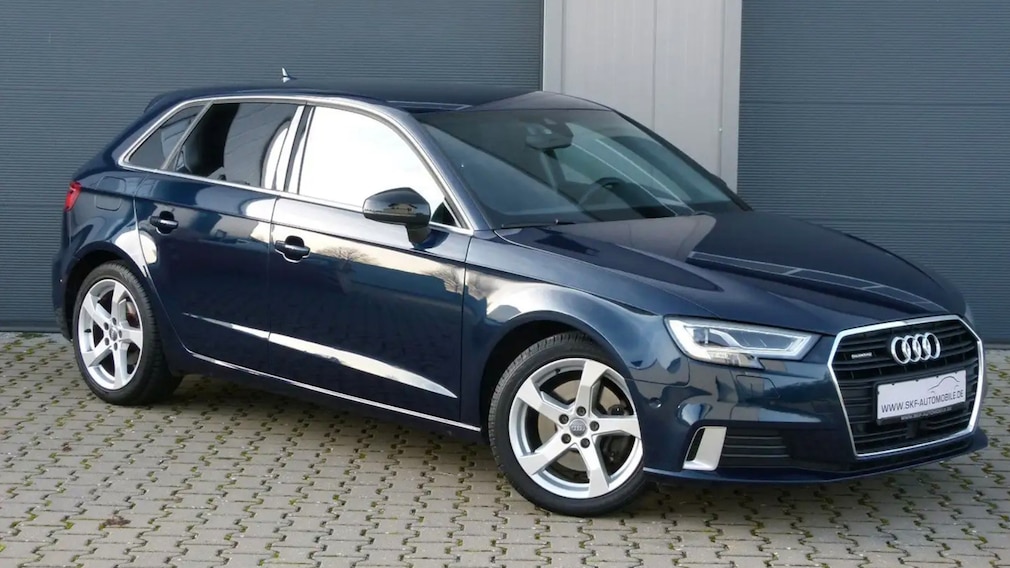
That 2016 Audi A3 Sportback 2.0 TDI quattro? It listed for €40,000-45,000 new. Ten years later, a well-maintained example with 108,000km sells for €19,999, about half its original price. This seems like solid value retention until you realize most depreciation happens in years 1-3. The owner who bought it at three years old for €30,000 absorbed the worst of the value drop.
The Gebrauchtwagen market in Austria follows brutal efficiency: new cars lose 20-30% when titled, another 15-20% in year two, and 10-15% in year three. After year five, depreciation flattens to 5-8% annually. Your Goldilocks 2015 model still has years of measurable depreciation ahead, while a 2012 model has largely stabilized.
Strategic Decision Framework for Austrian Buyers
Phase 1: Define Actual Needs
- Daily driving distance? (Diesel only makes sense above 15,000km/year)
- Urban or rural? (City cars vs. highway cruisers)
- Family size? (Kombi vs. compact)
- Business use? (Luxustangente implications)
Phase 2: Set Rational Budget Parameters
- Maximum purchase price: 8% of gross annual income
- Budget 10-15% of purchase price annually for maintenance
- Add €1,000-2,000 for immediate needs (tires, timing belt, etc.)
Phase 3: Target the Right Age Range
- For private buyers: 7-12 years old (depreciation plateau, modern enough)
- For business users: 6+ years old (Luxustangente advantage)
- Avoid: 3-5 years old (worst of both worlds, still depreciating, not new enough for warranty)
Phase 4 & 5: Verify & Calculate
Verify Maintenance Obsessively:
- Full Scheckheft (service booklet) with stamps from recognized workshops
- Evidence of early oil changes (every 15,000km max for modern diesels)
- DSG service every 60,000km if equipped
- No accident damage (get a Gutachter inspection for >€15,000 purchases)
Total Cost Calculation: Include Kfz-Steuer, Insurance, Winter/Summer tires, Expected maintenance for next 3 years, Fuel costs based on actual consumption.
The Leasing Comparison Trap
Many Austrian buyers default to leasing comparisons when evaluating used purchases. This is a category error. Leasing makes sense when you need a new car for business image or want predictable monthly costs without ownership risk. For private buyers focused on long-term savings, it’s financial poison.
Comparing lease versus buy costs reveals that Austrian leasing contracts typically embed 6-8% interest equivalent, plus mandatory vollkasko insurance and dealer servicing. A €30,000 used car financed over four years costs less than half the total outlay of a comparable lease, and you own an asset at the end.
Final Austrian Market Realities
The Austrian Gebrauchtwagen market rewards contrarian thinking. Everyone wants a diesel German premium car with under 100,000km. This creates a supply-demand imbalance that savvy buyers exploit by:
- Looking at petrol engines in an age of diesel demonization (lower purchase price, cheaper maintenance)
- Accepting higher kilometers with proper service history
- Considering “unfashionable” brands (Suzuki Swift, Dacia Sandero) that offer reliability without the emotional tax
- Timing purchases for December/January when sellers are desperate before the new year
The real Goldilocks zone isn’t a model year range, it’s a mental shift from buying what feels right to buying what the numbers support. In Austria, that means a six-to-twelve-year-old car with complete service history, preferably from an unsexy brand, bought from a motivated private seller in winter. Everything else is just paying extra for a story you tell yourself while stuck in Stau (traffic jam) on the A1.