You buy a washing machine at MediaMarkt. They throw in a “free” newspaper subscription as a thank-you gift. Thirty days later, a friendly voice calls asking if you’d like to continue. You demur, vaguely, thinking that’s the end of it. Two months after that, a Mahnung lands in your Postkastl, not from the newspaper, but from KSV1870, Austria’s most notorious debt collection and credit reporting agency. Suddenly, a €19.90 monthly fee has ballooned into hundreds of euros in penalties, and your creditworthiness is on the line. This isn’t a one-off horror story, it’s a business model.
The Anatomy of a Dankeschoen-Abo Trap
The German term Dankeschoen-Abo (thank-you subscription) sounds almost polite, but it’s anything but. These schemes operate in the murky space between aggressive marketing and outright fraud, exploiting a critical loophole in Austrian consumer law: telefonische Zustimmung (telephonic consent).
Here’s how the trap springs:
– You receive a “free” trial subscription bundled with a legitimate purchase
– The trial period ends with a single phone call, not a written contract
– The caller’s script is deliberately ambiguous about what constitutes acceptance
– You never receive the actual newspaper or digital access
– Payment demands arrive anyway, followed by KSV1870 involvement
Many international residents report this exact pattern, describing it as “the most confusing consumer trap” they’ve encountered in Austria. The brilliance of the scam lies in its plausible deniability: companies can claim you verbally agreed, while you have zero written proof you didn’t.
Why KSV1870 Changes Everything
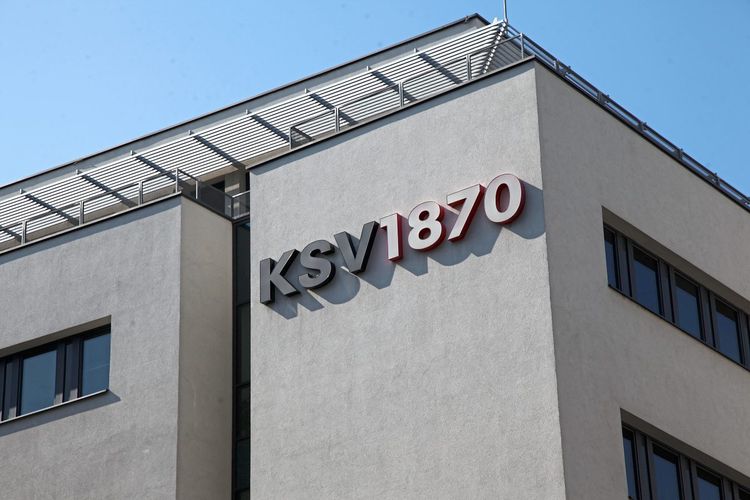
Unlike ordinary payment reminders, KSV1870 isn’t just a collection agency, it’s a credit reporting institution. Once they register a claim against you, it can impact your Schufa-equivalent score in Austria, affecting everything from apartment rentals to mobile phone contracts. This is why that initial €19.90 subscription suddenly feels like a financial death sentence.
The psychological pressure is deliberate. Many newcomers express frustration at KSV1870’s communication tactics: phone lines that never connect, contradictory email instructions, and a Kafkaesque loop where each contact results in being told to “send an email summarizing the situation.” Two weeks later, you receive the same demand letter again, as if your previous correspondence vanished into the digital void.
The Legal Reality: Is Telephonic Consent Actually Binding?
Here’s where Austrian law gets interesting, and where you have leverage.
Under Austrian consumer protection law, contracts concluded by phone (Fernabsatzverträge) require written confirmation to be enforceable. The company must send you a contract document, and you have a 14-day Widerrufsrecht (right of withdrawal) from the moment you receive it. If you never got that written confirmation, the contract is legally shaky at best.
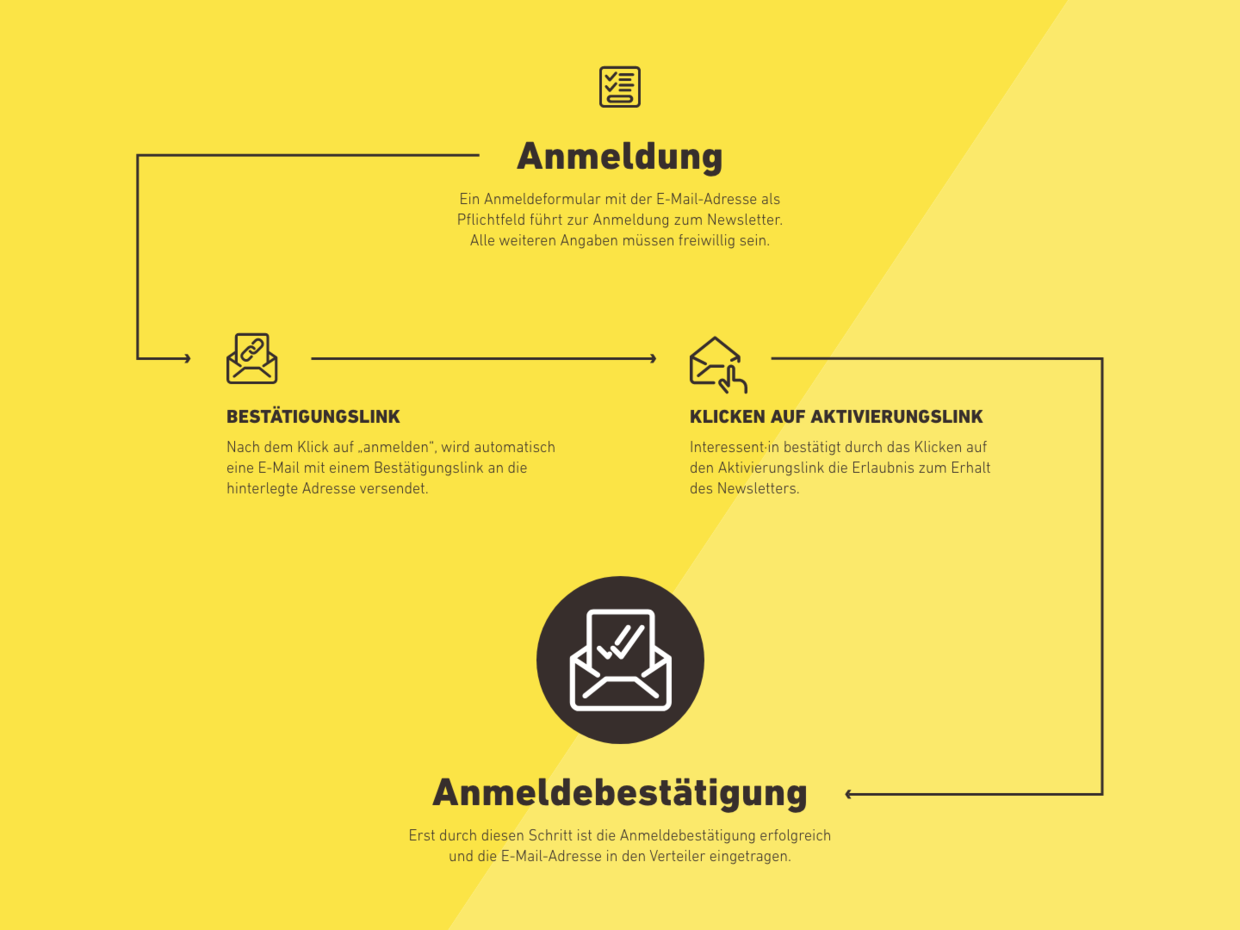
More importantly, the Austrian Data Protection Authority has ruled that consent without proper documentation violates DSGVO. This is where the double-opt-in principle becomes your weapon. While double-opt-in is technically for email newsletters, the underlying principle, provable, documented consent, applies to all consumer agreements.
If a company can’t produce a recording of your verbal agreement (which they almost never can), or written confirmation with your signature, their claim rests on very thin ice.
Your Counterattack: The DSGVO Request That Actually Works
One piece of advice recurs among those who’ve successfully fought these claims: send a DSGVO Anfrage immediately.
Request all data the company holds about you, including:
– The recorded phone call where you allegedly consented
– Timestamp of the call
– Name of the representative you spoke with
– Proof that you received the newspaper service
– All correspondence logs
The company has one month to respond. Most can’t produce the recording because their call centers are outsourced, or they never recorded it in the first place. This alone can be enough to make them drop the claim.
What Actually Works: The AK’s Playbook
The Arbeiterkammer (AK), Austria’s workers’ chamber, has a consumer protection division that’s seen every variant of this scam. Their approach is methodical:
-
Document everything: Save all letters, emails, and phone logs. Note dates, times, and names of anyone you speak with.
-
Send a registered letter (Einschreiben) stating:
- No written contract exists
- No service was ever received
- No legally binding consent was given
-
Demand immediate cessation of all collection activities
-
File a formal complaint with the AK if KSV1870 continues. The AK can mediate and, more importantly, their involvement signals to KSV1870 that you’re not an easy target.
-
Consider the Verein für Konsumenteninformation (VKI): This consumer protection organization can initiate class-action-style proceedings against companies using systematic deceptive practices.
The “No Service, No Payment” Principle
A critical legal principle emerges from similar cases: keine Leistung, keine Zahlung (no service, no payment). If you can prove you never received the newspaper, either physically or digitally, you’ve fundamentally undermined their claim.
One resident who faced an identical situation with a magazine subscription reports: “I called and said I never received anything and therefore won’t pay. After that, I never heard from them again.” The key is being firm and documenting your position in writing.
Prevention: How to Avoid the Trap Entirely
The best defense is recognizing the setup:
– Never accept “free” subscriptions bundled with purchases. Politely decline at the register.
– If you do accept, set a calendar reminder for the trial end date
– Record the cancellation call (Austria is a one-party consent country for recordings)
– Follow up with email: “This confirms our phone conversation today where I declined continuation of subscription X.”
– Check your KSV1870 record annually, you’re entitled to one free report per year
When to Escalate to a Lawyer
If the claim exceeds €500 or KSV1870 has already reported you to credit agencies, it’s time for professional help. Austrian consumer lawyers know these cases well and often work on contingency for clear-cut fraud. A single Anwaltbrief (lawyer’s letter) citing the specific violations of the Konsumentenschutzgesetz and DSGVO can make a €1,000 claim disappear overnight.
The Bigger Picture: Why This Persists
These scams survive because they’re profitable. For every person who fights back, nine pay the €200-500 demand to make it go away. KSV1870’s business model depends on this asymmetry, they’re betting you don’t know your rights or won’t invest the time to assert them.
But the tide is turning. With increased DSGVO enforcement and the AK publishing warnings about specific companies, the cost of doing business this way is rising. Your individual resistance contributes to collective pressure that can shut these operations down.
Your Action Plan Right Now
If you’re currently facing this situation:
1. Send that DSGVO request today, use a template from the AK website
2. Document everything in a timeline
3. Contact the AK Konsumentenschutz by Monday
4. Do not pay anything until they prove their claim
5. Consider blocking KSV1870’s number to reduce stress while you fight this
Remember: In Austria, a legitimate business doesn’t operate through vague phone calls and surprise debt collection letters. The more professional the company pretends to be, the more likely they’re counting on your confusion. Don’t give them the satisfaction.
The free newspaper that came with your washing machine should have been just that, free. Anything else is a scam wearing the costume of marketing, and Austrian law gives you the tools to strip away that disguise.