Klarna’s Payment Plan Trap: When Help Becomes Financial Stress in Austria
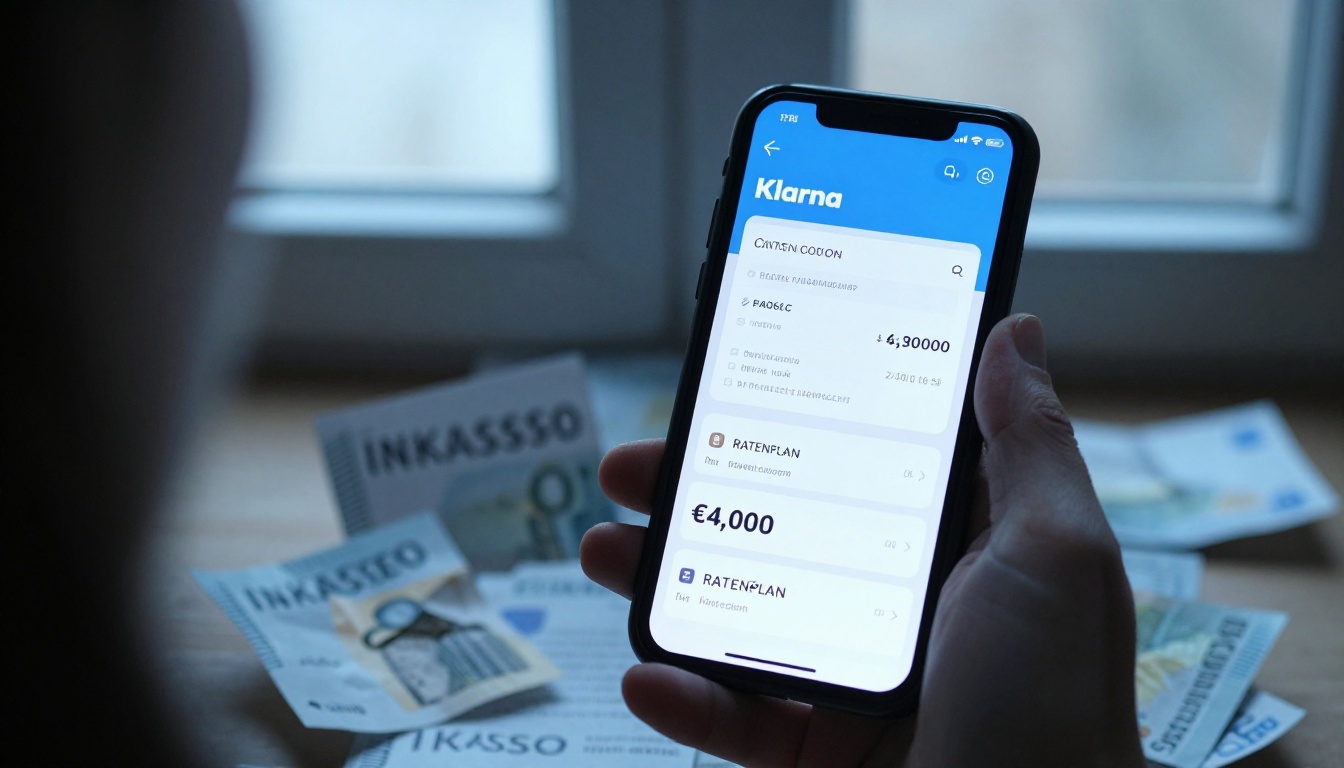
You wake up, check your Klarna app, and see €4,000 hanging over your head. Private turbulence knocked your finances sideways, but you did the responsible thing, requested a Ratenplan (installment plan) and got back on your feet. Now you want to pay ahead, clear three months at once, and be done with the stress. Should be simple, right?
That’s when the system swallows your money whole.
An Austrian user recently discovered that Klarna’s "flexible" payment options become a rigid cage the moment you try to break free early. After four calls to customer service, three contradictory explanations, and one manual bank transfer that vanished into the digital void, the threat of Inkasso (debt collection) landed anyway. The crime? Attempting to pay too much, too soon.
The Flexibility Illusion: Why Klarna Won’t Let You Pay Early
Klarna markets itself as the friendly Swedish fintech that lets you "pay at your own pace." In practice, Austrian users report that the system locks you into a predetermined schedule. Try to overpay through the app, and the interface blocks you until the next official due date. Attempt a manual Überweisung (bank transfer), and the money bounces around Klarna’s backend like a ghost.
The problem isn’t technical, it’s business logic. Klarna’s revenue model depends on predictable payment streams. When you deviate from their script, their automated systems can’t reconcile the transaction. One Austrian customer was told to include their name "exactly as it appears in the Klarna app" in the transfer reference. The next agent insisted manual payments were impossible. The third threatened collections.
This isn’t a bug, it’s a feature of how BNPL providers manage risk. But for consumers, it creates a Kafkaesque loop where trying to get ahead financially triggers penalties.
Customer Service Roulette: Four Agents, Four Different Realities
The Austrian experience highlights a systemic issue: Klarna’s support structure appears to operate on contradictory rulebooks. Users describe reaching agents in different locations who give fundamentally different answers about the same payment.
One agent authorizes a manual bank transfer and provides specific IBAN details. Another says it’s impossible. A third claims the payment reference was wrong, even though you followed instructions precisely. The fourth sends you to a chatbot that loops back to the beginning.
This matters because Austrian consumer protection law, the Konsumentenschutzgesetz (Consumer Protection Act), assumes clear, consistent communication from financial providers. When a company gives contradictory information, it shifts the burden of error onto the consumer. Many international residents in Austria find themselves particularly vulnerable here, lacking the local language fluency or legal knowledge to push back effectively.
The Inkasso Trigger: How Fast Good Faith Turns into Collections
Here’s where the trap snaps shut. After your manual payment fails to register, Klarna’s system automatically flags the installment as missed. Within days, you receive a Mahnung (payment reminder). If the system still can’t process your payment, which it may have designed to reject, you face the final step: Inkasso.
Austrian debt collection is no joke. Once a file lands with an Inkassobüro (collection agency), fees multiply. The original €4,000 debt can balloon with collection costs, legal fees, and interest penalties that Klarna itself might not charge, but the collector certainly will.
Worse, while Klarna often claims it doesn’t report to Austrian credit bureaus, Inkasso agencies absolutely do. A single collections entry can torpedo your Kreditwürdigkeit (creditworthiness) for years, making it harder to secure a Wohnungsdarlehen (mortgage) or even a mobile phone contract. This creates a vicious cycle where trying to be financially responsible, paying early, destroys your credit profile.
Austrian Legal Protection: Your Rechtsschutzversicherung Might Save You
If you have a Rechtsschutzversicherung (Legal Protection Insurance), now is the time to use it. These policies, common among savvy Austrian consumers, often cover disputes with financial service providers. A lawyer’s letter to Klarna’s Austrian office can cut through the chatbot chaos and force a human review.
Even without insurance, the Finanzamt (Tax Office) has begun scrutinizing BNPL providers operating in Austria. The European Consumer Centre Austria (EKÖ) has received increasing complaints about inflexible payment terms and opaque fee structures. Document everything: screen recordings of app errors, PDFs of chat transcripts, and timestamps of phone calls. Austrian courts favor consumers who can prove systematic incompetence.
The Bigger Austrian Picture: Why This Matters Beyond Klarna
This isn’t just about one fintech. It’s about how digital lending interacts with Austrian financial culture. Austria has some of Europe’s highest savings rates, Austrians historically hate debt. Yet BNPL is exploding, especially among young people in Vienna and Graz who are already facing financial stress driving extreme work hours.
The same demographic using Klarna for €300 sneakers is often the one struggling with tightening credit access despite strong financial standing. Austrian banks have become so risk-averse that young consumers turn to BNPL, which then damages their creditworthiness, making traditional bank products even harder to obtain.
This creates a shadow banking system where digital banking transparency issues in Austria compound the problem. Just as Flatex users discover phantom overdrafts from delayed ETF debits, Klarna users find their early payments vanish into a black hole.
The Fee Structure Reality Check
Klarna advertises 0% interest, but that’s not the same as free. Miss a payment, perhaps because their system rejected your manual transfer, and you face:
– Late fees up to €7-10 per missed installment
– Account reactivation fees if your plan gets frozen
– Potential Inkasso Kosten (collection costs) of €50-200
Compare this to Austrian credit cards, which offer chargeback rights, transparent fee schedules, and regulated dispute resolution. Klarna’s terms often require arbitration in Sweden, putting Austrian consumers at a geographic and legal disadvantage.
Exit Strategies: How to Escape the Klarna Trap in Austria
If you’re already stuck, here’s the Austrian playbook:
- 1. Stop the Bleeding
Cancel any automatic Lastschriften (direct debits) immediately. Switch to manual payments only through the app, even if Klarna claims it’s "less reliable." This prevents further failed debit attempts that rack up bank fees. - 2. Force a Paper Trail
Send a formal Einschreiben (registered letter) to Klarna’s Austrian business address (not just the chat). State your payment attempts, attach bank transfer confirmations, and set a 14-day deadline for resolution. Cite § 9 of the Austrian Konsumentenschutzgesetz regarding clear payment instructions. - 3. Invoke the EU Angle
Klarna operates under Swedish law but serves Austrian consumers. The EU’s Consumer Credit Directive gives you a 14-day withdrawal period and clear information rights. Reference this in your correspondence, it shows you know the law. - 4. Prepare for Inkasso
If collections start, respond immediately with a written Einspruch (objection). Cite the original payment attempts and request a Prüfung (review). This pauses the process and forces the collector to verify the debt’s legitimacy. - 5. Consider Legal Insurance
If you regularly shop online, a Rechtsschutzversicherung with internet commerce coverage is worth the €200-300 annual premium. It turns a €4,000 dispute from a personal nightmare into your insurer’s problem.

The Stock Market Tells the Real Story
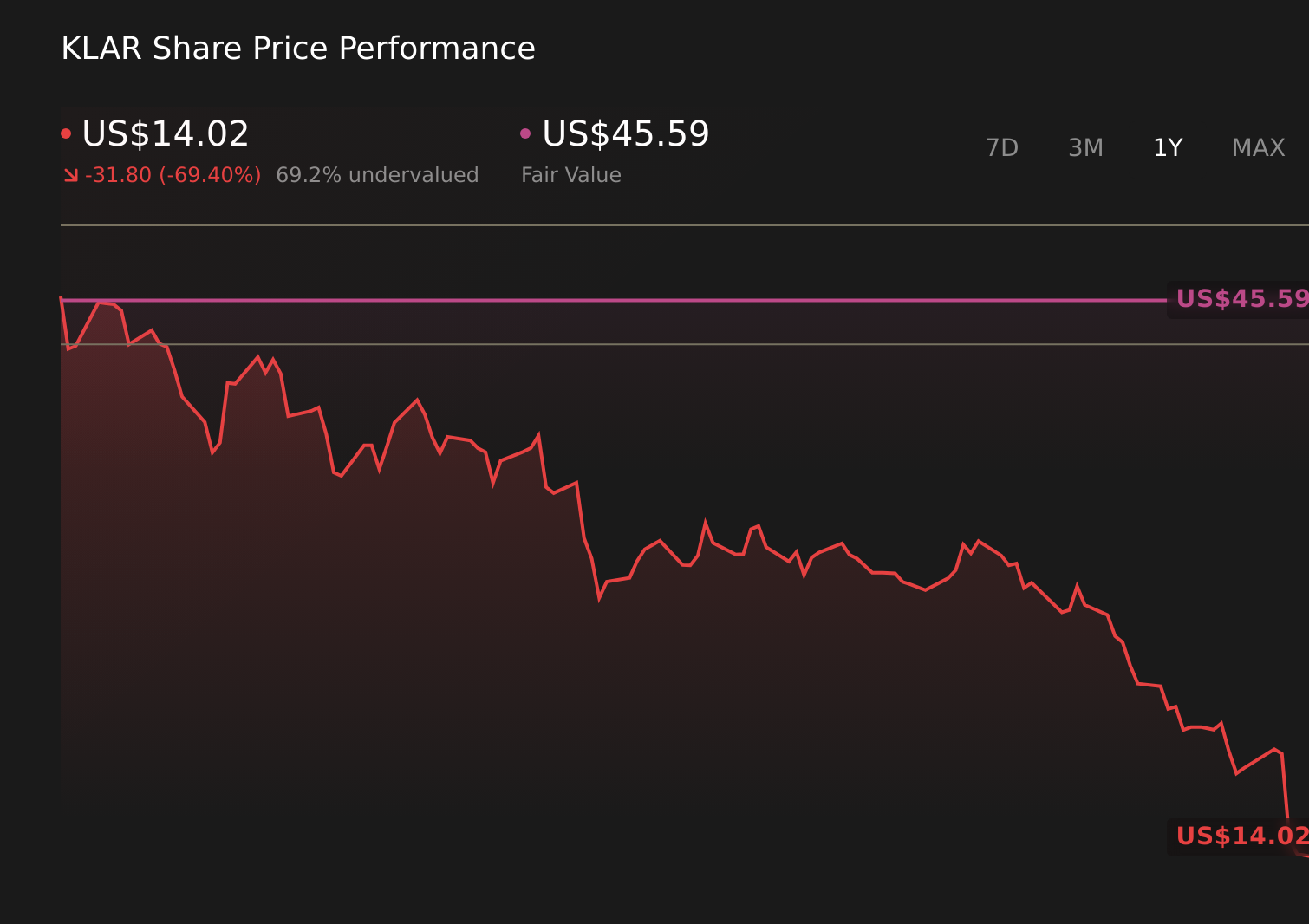
Klarna’s NYSE:KLAR stock chart reveals why customer service is breaking down. After a September 2025 IPO, the company reported a 102% rise in credit loss provisions and a $294 million net loss. When a lender is hemorrhaging money, the first budget cuts hit customer service and payment processing flexibility.
For Austrian users, this means you’re dealing with a company in financial crisis. Your payment confusion isn’t a glitch, it’s a symptom of a business model cracking under the weight of its own "generosity."
The Bottom Line: Austrian Financial Culture vs. BNPL
Austria’s conservative banking system exists for a reason. The loan acceleration due to job loss in Austria is brutal because Austrian banks price risk carefully. Klarna and other BNPL providers externalize that risk onto consumers through confusion and rigid systems.
Before tapping "Pay with Klarna", ask yourself: Would a traditional Austrian bank give me this credit? If the answer is no, Klarna’s "yes" comes with hidden strings. And if you’re already trapped, treat it like any other Austrian debt crisis, document everything, use your Rechtsschutzversicherung, and remember that the Finanzamt is watching these fintech experiments closely.
The fintech promise of "frictionless" finance often means friction is deliberately added when you try to leave. In Austria, where financial stability is a cultural cornerstone, that’s not innovation, it’s a trap.