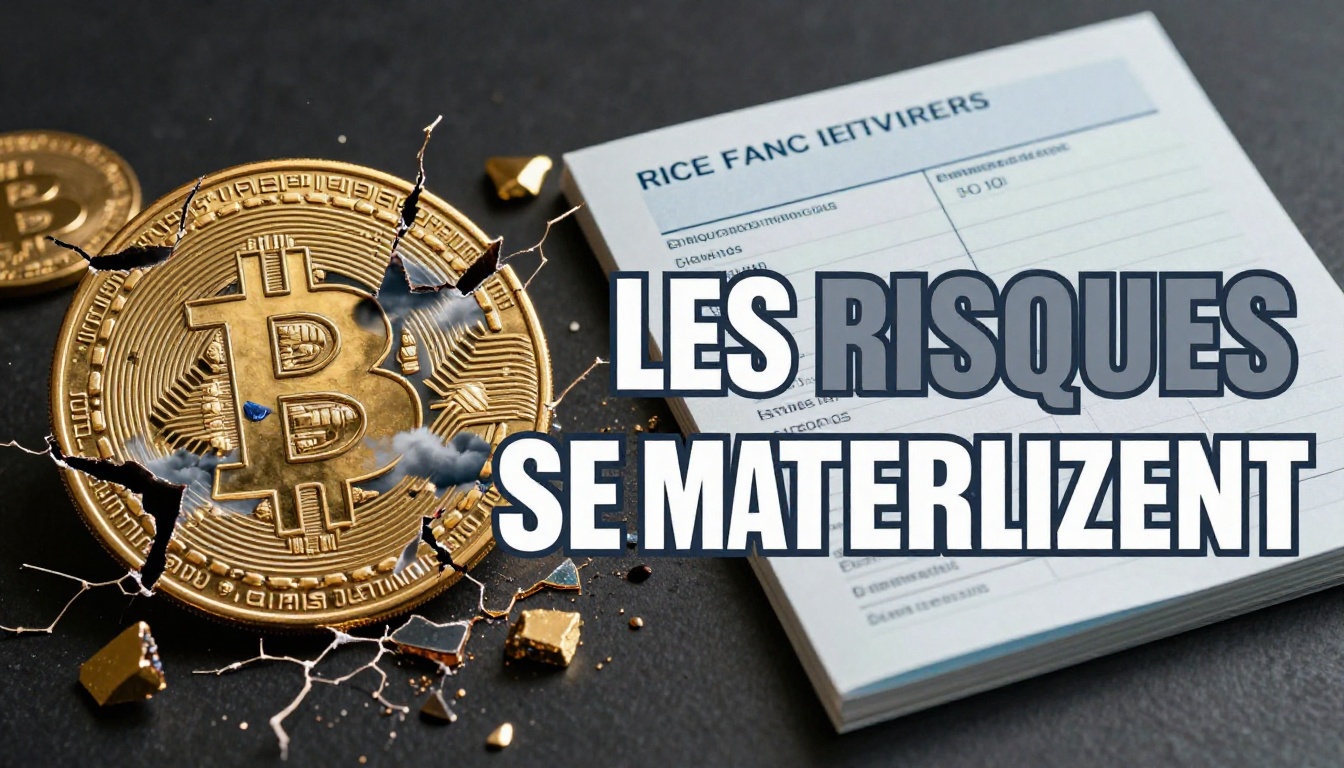
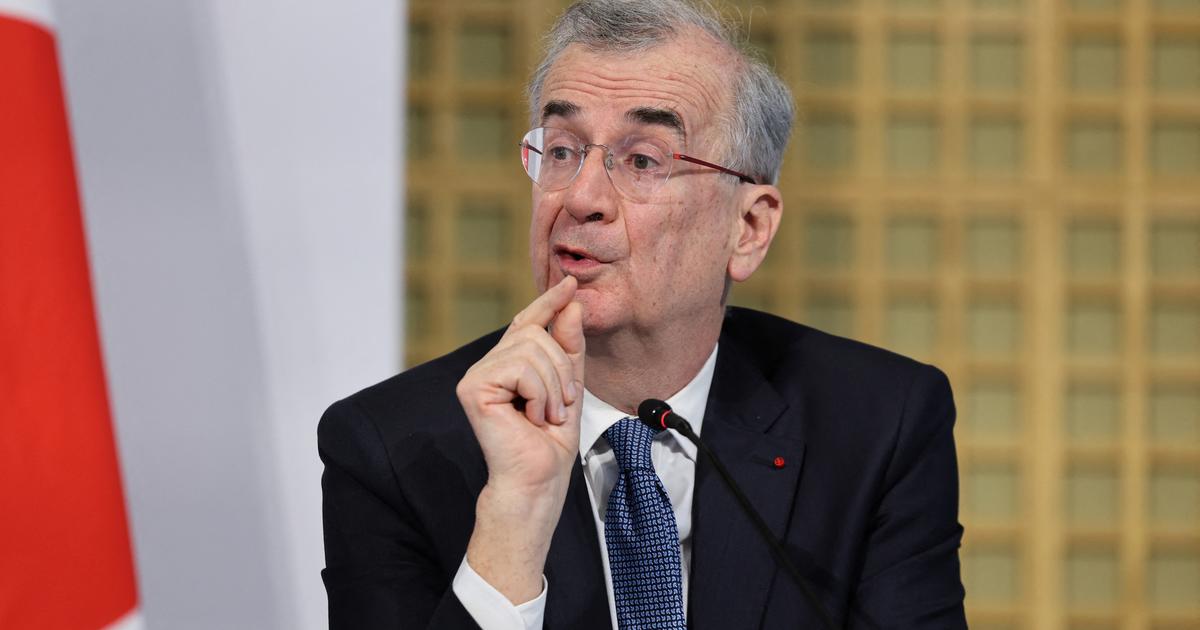
When Bitcoin briefly touched $60,000 last week, its lowest level in sixteen months, few in the French financial establishment seemed surprised. But one voice stood out with unusual clarity: François Villeroy de Galhau, the governor of the Banque de France (Bank of France), who used the moment to deliver a message many crypto enthusiasts won’t want to hear. Speaking on BFM Business, he didn’t mince words: “Sur le bitcoin, les risques sont en train de se matérialiser” (the risks are materializing).
This wasn’t a casual observation. It was a calculated warning from France’s top banking regulator, timed perfectly to remind investors that trees, as he put it, “ne montent pas jusqu’au ciel” (don’t grow to the sky).
What the Governor Actually Said
Villeroy de Galhau’s comments cut through the usual bureaucratic caution. He directly challenged the narrative that Bitcoin represents some inevitable future of money. “Je n’ai jamais cru les discours que c’était la monnaie de demain” (I never believed the talk that it was the money of tomorrow), he stated flatly, dismissing the idea of a completely decentralized, privatized, libertarian currency as fantasy.
His core message? Bitcoin is “un actif très volatil et très risqué” (a very volatile and very risky asset). The recent price collapse, from over $120,000 in October to $60,000, proves his point. While he was careful to note that the situation “n’est pas systémique” (isn’t systemic), meaning it won’t crash the entire French banking system, his concern for individual investors was clear: “on peut investir en bitcoin, mais on le fait à ses risques et périls” (you can invest in bitcoin, but you do so at your own risk and peril).
The French Investment Culture Clash
This warning lands differently in France than it might in the US or crypto-friendly jurisdictions. French retail investors traditionally favor safety and predictability, think Livret A savings accounts, assurance-vie (life insurance policies), and PEA stock plans. The idea of an asset that can lose 50% of its value in three months runs counter to decades of financial conditioning.
Yet many international residents in France report confusion when navigating these traditional systems. They find the Paris rental market nearly impossible without strong documentation, and wait weeks for banking appointments despite expectations of streamlined processes. This frustration sometimes pushes them toward crypto’s promise of frictionless global finance, a promise Villeroy de Galhau is now explicitly calling dangerous.
The governor’s skepticism reflects a broader French regulatory stance. The AMF (Autorité des Marchés Financiers, France’s markets regulator) has long viewed crypto with suspicion, and the Banque de France itself has explored launching a central bank digital currency as a controlled alternative to decentralized cryptocurrencies.
Who’s Actually Promoting Bitcoin in France?
Here’s where Villeroy de Galhau’s warning gets spicy. He didn’t just attack Bitcoin, he went after the people selling it. “Si un conseiller financier vous dit ‘j’ai un produit formidable pour vous qui rapporte beaucoup et qui a zéro risque’. Fuyez !” (If a financial advisor tells you ‘I have a wonderful product for you that yields a lot and has zero risk.’ Run away!).
He added that such advisors are “soit des incompétents, soit des escrocs” (either incompetent or crooks).
This raises an awkward question: who are these advisors pushing Bitcoin as a safe investment? The research suggests they’re not traditional conseillers financiers from established French banks like BNP Paribas or Société Générale. Those institutions remain cautious, often blocking crypto transactions or warning clients away.
Instead, the promotion comes from:
– “Influvoleurs” (influencer-vendors) and digital nomads on social media
– International platforms operating in regulatory gray zones
– Some neobanks and fintech startups chasing growth
Many newcomers express frustration, finding that what they thought was legitimate financial advice is actually unregulated promotion. The governor’s warning is essentially telling French investors: if someone’s promising you Bitcoin is safe, they’re not a real advisor.
But Is It Really “Not Systemic”?
Villeroy de Galhau’s reassurance that Bitcoin’s crash isn’t systemic deserves scrutiny. On one hand, he’s right, French banks have limited direct exposure to crypto. The crédit immobilier (mortgage) market isn’t about to freeze because Bitcoin dropped.
On the other hand, the line between “retail speculation” and “systemic risk” is blurring. French pension funds and institutional investors have started dipping into crypto through ETFs. The CAC 40 (France’s benchmark stock index) includes companies with crypto exposure. And as external macroeconomic forces affecting French investors’ portfolios have shown, what starts as a niche asset can ripple outward.
The governor himself acknowledged watching Chinese import data for disinflationary effects. If he’s monitoring that closely, you can bet he’s also tracking how many French households now hold crypto. The number is growing, and with it, the potential for broader economic impact if a crash forces mass liquidations.
What French Investors Should Actually Do
Let’s cut through the noise. Villeroy de Galhau’s warning isn’t just about Bitcoin, it’s about risk management in a volatile world. Here’s what matters for anyone living in France:
1. Understand what you’re actually buying. Bitcoin isn’t a monnaie (currency) in the traditional sense. It’s a speculative asset with no underlying cash flows, no government backing, and a history of 80% drawdowns. Treat it accordingly.
2. Size your position appropriately. If you’re going to invest, limit exposure to what you can afford to lose completely. For most people, that means no more than 1-5% of a portfolio. The governor hopes investors have “limité leurs risques”, many haven’t.
3. Beware the advisor promising miracles. Traditional French financial advisors operate under strict AMF regulations. They can’t promise returns. If someone is, they’re not regulated, and you have no recourse when things go wrong. This is exactly Villeroy de Galhau’s point about incompetence or fraud.
4. Consider the alternatives. French investors have access to regulated, tax-advantaged products like assurance-vie and PEA that offer real diversification without the same extreme volatility. Even gold as a traditional safe-haven asset compared to volatile Bitcoin has centuries of track record, despite recent price swings that have made even gold investors question their assumptions.
5. Don’t confuse speculation with investing. The governor’s phrase “les arbres ne montent pas jusqu’au ciel” is a classic French expression warning against perpetual growth assumptions. It applies equally to tech stocks, real estate, and crypto. Rising retail investment trends in France and potential risks of speculative behavior suggest many newcomers are learning this lesson the hard way.
The Bottom Line
Villeroy de Galhau’s warning isn’t about hating innovation, it’s about hating dishonesty. The Banque de France is developing its own digital euro, after all. His issue is with assets marketed as safe when they’re anything but.
For international residents in France, this creates a particular challenge. You may be comfortable with crypto from your home country, but you’re now subject to French regulatory reality. That means:
– Your French bank may block crypto transfers without warning
– Tax reporting is complex and strictly enforced
– Consumer protection is minimal compared to traditional finance
The governor’s message is blunt but necessary: in France, financial safety still matters more than speculative gains. If you want to invest in Bitcoin, fine, but do it with eyes wide open, not because someone told you it was “la monnaie de demain” without risks.
As risks of active vs. passive investment strategies amid market volatility have shown, even professional traders struggle to time these markets. For most of us, the old French saying applies: “Mieux vaut prévenir que guérir” (better to prevent than to cure). In this case, prevention means listening to the governor and sizing your crypto bets accordingly.
The crypto winter is here, and the Banque de France is essentially saying: “On vous avait prévenus” (We told you so). The question isn’t whether Bitcoin will recover, it’s whether you can afford to wait if it doesn’t.