The number landed like a grenade in the middle of France’s already tense budget debate: 13,335 millionaires paid zero income tax in 2024. Not reduced tax. Not optimized tax. Zero.
This isn’t a conspiracy theory. It’s an official figure from a confidential Bercy (Ministry of Economy and Finance) note, reluctantly handed over to Senate finance committee chairs after weeks of political arm-wrestling. The document confirms what former finance minister Éric Lombard claimed in January, and what current minister Amélie de Montchalin vehemently denied.
Let’s cut through the political theater and examine how this actually works, who these “tax ghosts” are, and why this controversy goes to the heart of France’s identity as a supposedly progressive tax state.
The 13,335 Figure: What Bercy’s Data Actually Shows
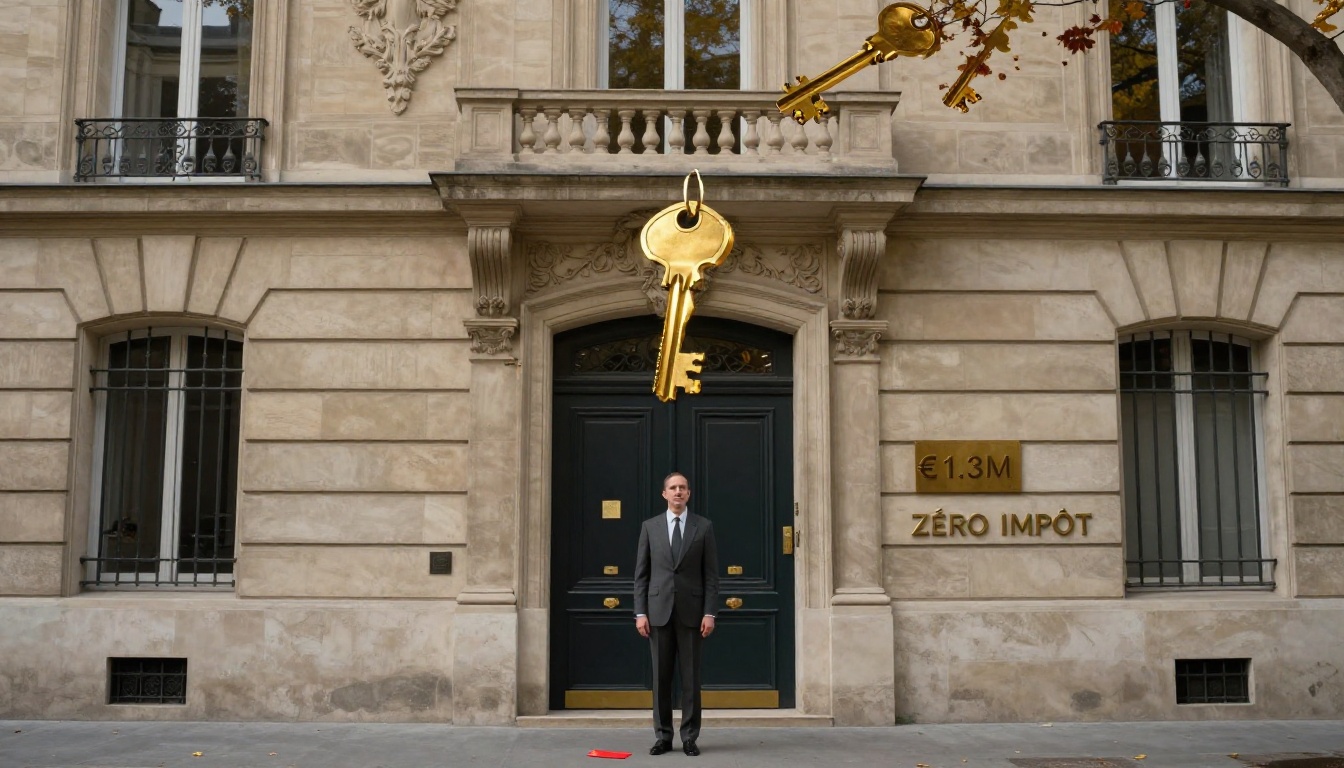
The leaked note reveals that 18,525 households with real estate assets exceeding €1.3 million paid no impôt sur le revenu (income tax) in 2024. After removing non-residents and those who died during the year, the number settles at 13,335 French tax residents.
This represents roughly 7.3% of all IFI (Impôt sur la Fortune Immobilière, real estate wealth tax) payers. For context, France has about 3 million millionaires total, so these 13,335 represent just 0.5% of that group, statistically small, but symbolically explosive.
The political timing couldn’t be worse. France faces a €50+ billion budget shortfall, and Macron’s government is already under fire for raising taxes while struggling to maintain credibility on fiscal fairness.
The Three Legal Pathways to Zero Tax
Bercy’s analysis identifies three distinct categories of wealthy non-payers. None involve illegal evasion, just sophisticated navigation of France’s complex tax code.
1. “Wealthy in Assets, Poor in Income”
This is the largest group. Think of the 65-year-old who bought a Paris apartment in the 1980s for €50,000 that’s now worth €1.5 million. On paper, they’re a millionaire. In reality, they live on a modest pension or small salary.
The key distinction: France taxes flux (income flow), not stock (wealth). Until you sell that apartment or generate rental income, its value appreciation remains untaxed. Many international residents report similar situations, property-rich but cash-poor, paying property taxes and IFI but falling below the income tax threshold.
As one observer noted, “Ces 13000 personnes représentent moins de 0.02% de la population, ça m’étonnerait pas que une bonne partie soit d’autres dans des situations similaires”, meaning this likely includes many ordinary people caught in Paris’s insane real estate appreciation.
2. The Non-Resident Loophole
Second category: French citizens living abroad who maintain property in France. Through bilateral tax treaties, they pay income tax in their country of residence, not France.
This is entirely legal and logical, residence fiscale (tax residency) determines primary tax obligations. But it creates optics problems when a Monaco resident with a €10 million Nice villa pays nothing to the French treasury.
3. The Tax-Exempt Income Strategy
The third group uses France’s own tax incentives to eliminate taxable income:
- PEA (Plan d’Épargne en Actions, stock savings plan): Gains remain tax-free until withdrawal
- Primary residence capital gains: Exempt from income tax
- Strategic dividend timing: Leaving profits in holding companies
- Lombard loans: Borrowing against appreciated assets to fund lifestyle without triggering taxable events
Economist Éric Pichet explains the holding company strategy: “Create a company that owns the real estate, collects rents, but leaves profits in the company. The individual receives no dividends, declares no income, and pays no income tax.”
The Political Earthquake: Lombard vs. Montchalin
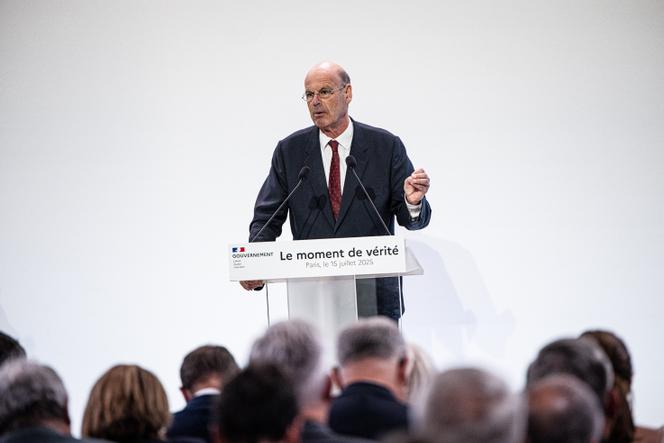
The controversy started when Éric Lombard, former economy minister, told Libération in January: “Among the wealthiest, thousands have a reference taxable income of zero.”
Amélie de Montchalin immediately fired back in the Assemblée Nationale: “It is not true that tens of thousands of wealthy French people pay no income tax. There is no document at Bercy that would show this.”
Except there was. And when Senate finance committee chairs demanded it, Bercy had to produce the data, confirming Lombard’s claim.
This isn’t just political embarrassment, it’s a direct challenge to the government’s credibility during delicate budget negotiations. The Senate is now demanding deeper analysis of why the wealthiest contribute so little through income tax.
What They DO Pay: The Other Tax Burden
Critics rightly point out that “zero income tax” doesn’t mean “zero taxes.” These households still pay:
- IFI (Impôt sur la Fortune Immobilière): 0.5% to 1.5% on net real estate wealth above €800,000
- Taxe foncière (property tax): Often several thousand euros annually
- Prélèvements sociaux (social contributions): 17.2% on capital gains when realized
- VAT and other consumption taxes
One commenter describes their mother’s situation: She inherited a Paris apartment, pays IFI and property tax, lives frugally off financial assets, and stays below the income tax threshold on her realized gains, while still paying social contributions on them.
The question isn’t whether they pay any taxes, but whether they pay enough relative to their wealth, especially when France’s budget crisis demands broad sacrifice.
The International Context: Is France Falling Behind?
Here’s where it gets interesting for investors and expats. France is actually more lenient than some neighbors on taxing unrealized gains:
- The Netherlands is implementing a 36% tax on unrealized crypto and stock gains starting 2028
- Increased tax transparency and digital asset reporting in France shows France is tightening surveillance but not yet taxing paper profits
- Unrealized capital gains taxation in Europe could become a trend
Gabriel Zucman, the French economist who helped design Warren’s wealth tax proposals in the US, has been pushing for a minimum tax on large fortunes in France. His argument: The gap between wealth held and tax paid fuels social resentment and undermines the system’s legitimacy.
The Technical Reality: Why This Isn’t (Necessarily) a Scandal
From a pure tax law perspective, this is mostly working as designed. France’s system separates wealth taxation (IFI) from income taxation (impôt sur le revenu). You can be rich on paper but have minimal taxable income.
The real debate is philosophical:
- Should unrealized gains be taxed annually? (Zucman says yes, most French economists warn this creates liquidity problems)
- Should the IFI threshold be lowered? (Currently €1.3M, but only 0.5% of millionaires pay zero income tax)
- Should holding company structures be restricted? (Would hurt entrepreneurs and family businesses)
One Reddit commenter summarized the tension: “If tomorrow your shack is worth €1 billion, is it fair to tax what you haven’t sold? No sale, no cash, no money.”
What It Means for Regular Taxpayers
If you’re a salaried employee or small business owner, you’re likely paying 20-45% income tax plus social charges. You can’t easily restructure your life into a holding company.
The perception problem is what matters. When middle-class French see “13,000 millionaires pay zero tax” headlines, it reinforces the belief that the system is rigged, regardless of the technical legality.
This could accelerate demands for:
– Lower IFI thresholds
– Minimum tax floors for high-wealth households
– Restrictions on PEA and other tax-advantaged accounts (already under scrutiny, see Bercy’s scrutiny of tax-advantaged investment accounts like the PEA and regulatory concerns over ETFs in French tax-advantaged accounts)
– New taxes on real estate gains
The Bottom Line
The 13,335 millionaires aren’t necessarily breaking laws, they’re navigating a system that treats wealth and income as separate universes. But in a country facing austerity measures and tax hikes for ordinary citizens, the optics are politically toxic.
The Senate investigation will likely recommend closing some loopholes, particularly around holding companies and non-resident arrangements. But any reform must balance fairness with not punishing legitimate property owners or driving wealth out of France.
For now, the debate reignites a fundamental question: Should France tax what you have, or only what you earn? The current answer is “both, but not always from the same people”, a compromise that may no longer hold.
Actionable takeaway: If you’re a property owner in France, understand that your tax strategy needs to account for both IFI and income tax. The days of completely separating wealth from tax liability may be numbered. And if you’re an expat with French assets, monitor how the Senate’s recommendations might affect non-resident taxation structures.
The millionaire tax ghosts have been exposed. Whether they become actual taxpayers depends on whether France can reform its system without killing the golden goose of property investment that funds local governments through taxes like taxe foncière.