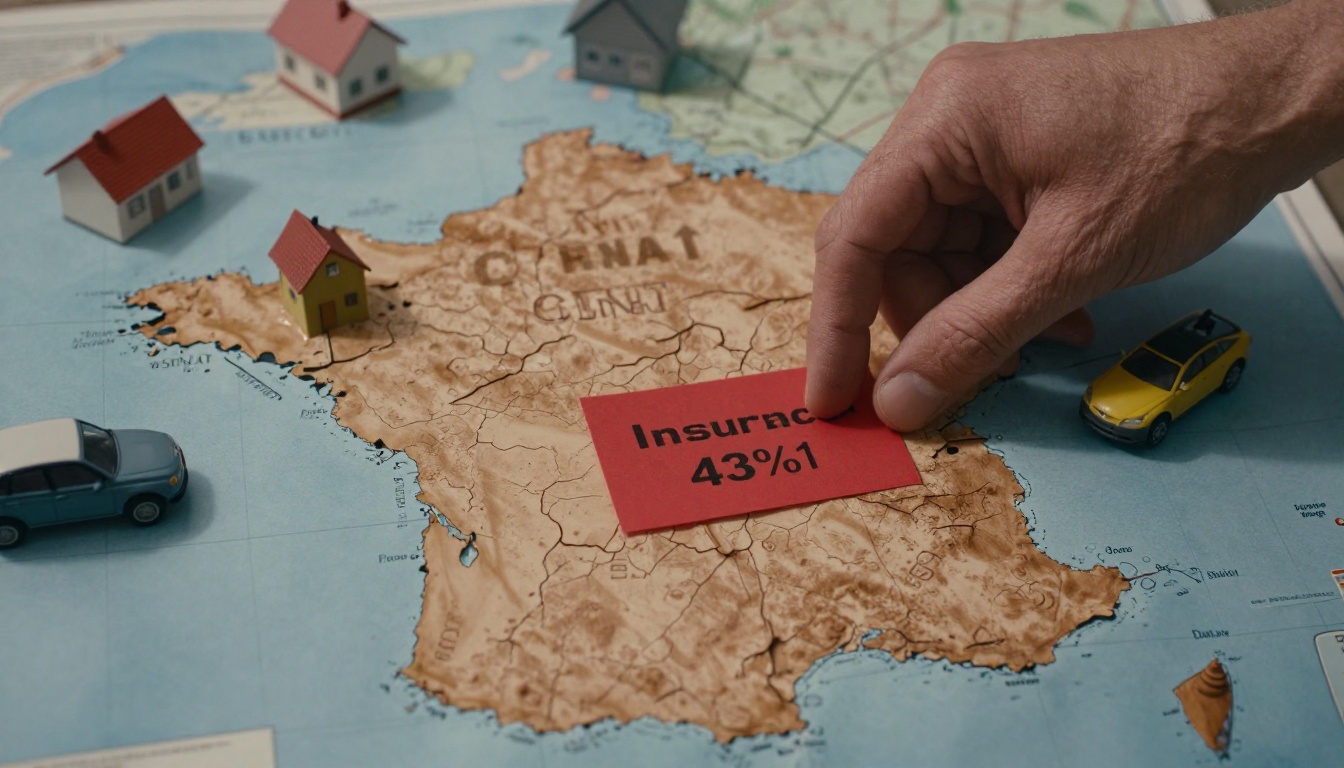
A Reddit user recently posted their insurance bills from the past seven years. The numbers were stark: car insurance up 27%, home insurance up 43%, all while their coverage stayed exactly the same. Their experience isn’t an outlier. It’s the new normal for French households, and the trend is accelerating.
In 2026 alone, home insurance premiums are set to rise another 9% nationally, adding roughly €182 to the average annual bill. But "average" is a misleading word here. In parts of Southwest France, families are facing increases up to 15%. The question isn’t whether your insurance will cost more. It’s whether you’ll still be able to afford it.
The Climate Factor: When Your Address Becomes a Liability
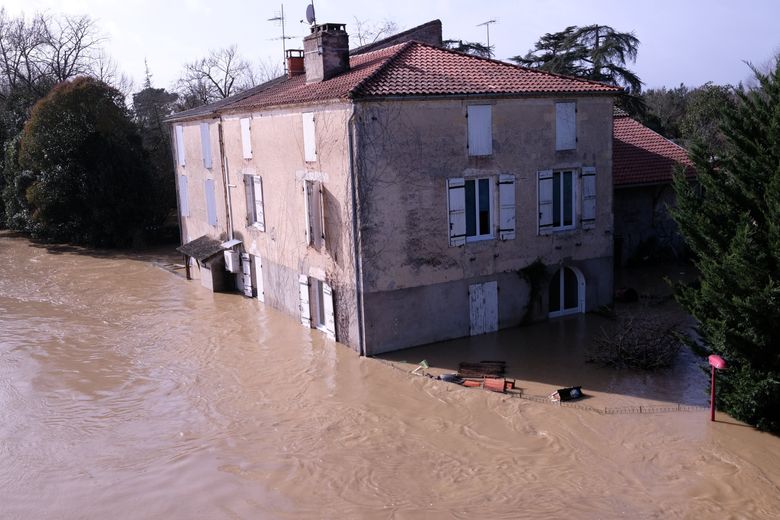
The insurance industry calls it "sinistres climatiques" (climate disasters), and it’s reshaping the entire risk map of France. The Southwest, particularly Nouvelle-Aquitaine and Occitanie, now tops the price charts. A home in Nouvelle-Aquitaine costs an average of €208 to insure, with Occitanie close behind at €202. That’s not random, it’s a direct response to repeated storms, floods, and the emerging threat of retrait-gonflement des argiles (clay shrinkage and swelling).

After a decade of increasingly violent weather, insurers have run the numbers and concluded that some regions are simply too risky. The state-run CatNat (natural disaster) surcharge, which funds disaster relief, jumped from 12% to 20% in January 2025. That automatic €15-per-policy increase is just the beginning. The UFC-Que Choisir consumer association warns that without reform, some territories could become "inassurables" (uninsurable).
This isn’t theoretical. The May 2025 hailstorm in Paris damaged 61,000 vehicles, costing insurers €196 million. Those losses get distributed across all policyholders, but they hit certain regions harder. Hauts-de-France faces 15% increases due to chronic flooding. Provence-Alpes-Côte d’Azur sees 13% hikes from drought-related ground movement. Your postal code now matters as much as your claims history.
The Technology Trap: Why Your Electric Car Costs Double
While climate change punishes homeowners, technology is driving auto insurance through the roof. The average French driver now pays €751 annually, up 36% since 2010. But dig deeper and the disparities are shocking.
A Peugeot 208 Electric costs about €700 per year to insure in comprehensive coverage, nearly double its gasoline equivalent. Why? A single battery replacement can run €10,000. A damaged sensor cluster on a modern vehicle requires specialized technicians and dealer-only parts. Repair costs rose 6.67% last year alone, and insurers pass every euro to consumers.
Young drivers get hit hardest. A 20-year-old pays €1,462 on average, three times what a 60-year-old pays. Geography matters too: Corsica and PACA top €930 annually, while Brittany drivers pay €592. The combination of expensive tech and regional risk creates a perfect storm of unaffordability.
The Loyalty Penalty: Your Insurer’s Best-Kept Secret
Here’s where it gets cynical. Insurance companies routinely apply the steepest increases to their longest-standing customers. One Reddit user reported their auto insurance jumped nearly 10%, until they requested a quote from their existing insurer, who immediately offered a 30% discount. No negotiation required.
This "stock vs. flux" strategy is industry standard. Insurers milk existing customers ("stock") to fund aggressive discounts for new ones ("flux"). The math is simple: stay with the same company more than three years, and you’re almost certainly overpaying. The Le Parisien investigation confirmed this, showing price variations of hundreds of euros for identical coverage.
The solution? Comparison shopping. But even that’s become harder. The Loi Hamon allows you to switch car insurance anytime after one year, but home insurance still locks you in for 12 months. And with prices rising everywhere, finding a better deal requires real effort.
The Affordability Death Spiral
When insurance becomes too expensive, people drop it. The La Dépêche investigation found families choosing between coverage and food. "On ne vit pas, on survit" ("We don’t live, we survive"), that’s how one household described dropping their home insurance to afford groceries.
This creates a death spiral. Fewer insured households mean less risk pooling, which drives up costs for those who remain. In Carcassonne, where flood risk is extreme, a three-room apartment now costs €256 to insure. In La Rochelle, coastal storm exposure pushes rates to similar heights. At some point, the market breaks.
This pressure doesn’t exist in isolation. French households already face declining living standards despite higher incomes, with broader declines in purchasing power affecting every budget category. Add rising utility costs and changing financial behavior under economic pressure, and insurance becomes the final straw.
What You Can Actually Do
Despite the grim picture, you have options:
- For Home Insurance:
– Compare annually using platforms like LeLynx or Meilleurtaux. Differences of €200-300 are common.
– Check your CatNat zone: The government provides free risk maps. If you’re in a high-risk area, invest in prevention (flood barriers, tree trimming) to negotiate lower rates.
– Adjust your deductible: Raising your franchise from €150 to €500 can cut premiums by 15-20%.
– Bundle policies: Some insurers offer 10% discounts for combining home and auto coverage. - For Auto Insurance:
– Switch providers every 2-3 years: This alone can save 30%.
– Reconsider "tous risques": If your car is over 5 years old, comprehensive coverage often costs more than the car’s value. Tiers étendu (extended third-party) costs €628 vs €809 for full coverage.
– Telematics devices: Some insurers offer up to 30% discounts for monitored driving.
– Pay per kilometer: If you drive under 8,000 km/year, this can halve your bill. - For Everyone:
– Challenge your insurer: Request a relevé d’information (policy statement) and ask them to justify increases. Many will offer unpublicized discounts.
– Check for subsidies: Low-income households may qualify for aide au logement (housing assistance) that includes insurance support.
The Bigger Picture
The insurance crisis reflects deeper structural problems. Climate change is making certain areas unlivable. Automotive technology is pricing out middle-class buyers. Market concentration, five insurers control 70% of the market, reduces competition.
Consumer advocates argue for systemic reform: national risk pooling beyond CatNat, mandatory rate caps in high-risk zones, or even a public insurance option. For now, individual action is the only defense.
The numbers don’t lie. A policy that cost €100 in 2019 now costs €144. If that trend continues, by 2030 you’ll pay double. The question isn’t whether you can afford insurance today. It’s whether insurance as a system remains viable for ordinary French households.
As one consumer advocate put it: "Loyalty is your worst financial enemy." In this market, the only smart move is to treat your insurer as an adversary, not a partner. Compare, switch, and fight every increase. Your budget depends on it.
The Long-Term View
This crisis intersects with long-term financial insecurity and retirement concerns. If households can’t afford basic protection today, their vulnerability compounds over time. The insurance spike isn’t just a line item, it’s a warning sign that France’s economic model is failing its middle class.