
EU-INC: The Brussels Promise to Fix European Startups, Or Just Another Paper Tiger?
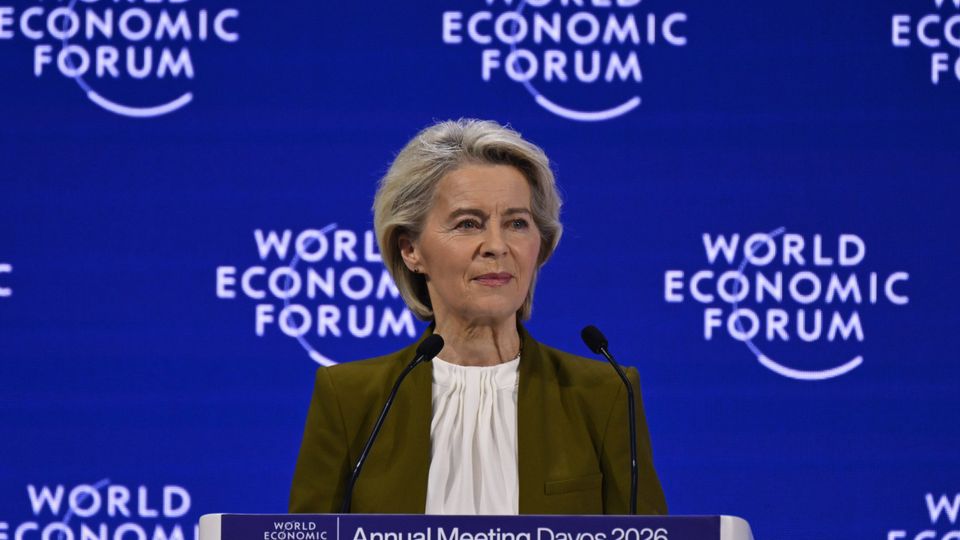
Ursula von der Leyen stood at the World Economic Forum in Davos and made a promise that could either unlock European startup potential or add another layer of paperwork to an already complex system. The EU-INC proposal, she declared, would allow entrepreneurs to register companies in 48 hours with just one euro of capital and scale across all 27 member states without drowning in national bureaucracy.
The vision sounds revolutionary. A single pan-European legal entity, registered through a central EU-level registry, with standardized investment documents and stock options that work everywhere from Lisbon to Tallinn. For German founders currently wrestling with GmbH (limited liability company) formation that can take weeks and cost thousands in notary fees, this looks like salvation. But as with most Brussels initiatives, the gap between announcement and implementation could swallow the entire promise.
The 48-Hour Dream vs. German Reality
The core appeal of EU-INC lies in its simplicity. Von der Leyen’s team proposes a “28th regime”, a unified legal framework that sits alongside the 27 national systems. Entrepreneurs could incorporate online within two days with minimal capital, then operate across borders using the same set of rules. No more hiring 27 different law firms to understand local variants of shareholder agreements. No more explaining to American investors why your German UG (Entrepreneurial Company) or FlexCo (Flexible Capital Company) doesn’t fit their Delaware C-corp template.
German startups face particular friction here. While the FlexCo reform in 2024 improved things domestically, it did nothing for cross-border scaling. A Berlin-based SaaS company still needs separate legal entities to hire in Paris, close deals in Milan, or accept funding from London VCs. Many German founders report spending 80% of their time on compliance rather than product development when expanding within the EU. The EU-INC aims to flip this ratio.

The Tax Trap That Won’t Disappear
Here’s where the optimism meets cold water. The EU-INC proposal explicitly leaves tax policy in member state hands. As one legal expert summarized: “Taxes remain dependent on the country.” This means your EU-INC registered in Berlin still pays German corporate tax rates, social contributions, and must comply with local Finanzamt (Tax Office) requirements. The supposed “single set of rules” only covers corporate law, not the financial obligations that actually matter for startup survival.
This fragmentation creates bizarre incentives. A founder could register their EU-INC in Ireland for favorable corporate tax, but still face German tax residency rules if they operate from Berlin. The European Court of Justice has spent decades litigating such “forum shopping” cases, and EU-INC doesn’t resolve the underlying conflicts. Many international tax advisors already warn clients that the new structure might trigger more compliance audits, not fewer, as authorities struggle to classify these hybrid entities.
The International Monetary Fund estimates that EU internal market barriers still impose costs equivalent to a 110% tariff on services. EU-INC addresses the corporate law portion of this burden, which represents perhaps 20% of the total friction. The rest, tax, social security, employment law, remains firmly national.
Political Headwinds and the Implementation Gap
Von der Leyen’s March 2026 legislative proposal faces a gauntlet. The European Parliament supports the concept, but the Council of member states must approve. Justice Commissioner Michael McGrath wants a directly effective regulation, not a directive that gets implemented 27 different ways. Yet even he acknowledges the political challenge: “We can’t even get uniform bureaucracy with the next city over, how will this work EU-wide?”
The timeline already looks optimistic. Q1 2026 for the proposal, parliamentary approval through 2026, potential implementation in 2027. That’s two more years where American and Chinese competitors accelerate while European founders wait. German bureaucracy moves slowly, the FlexCo reform took three years from announcement to law. Expecting 27 member states to harmonize procedures in 24 months strains credibility.
The SE Precedent: A Cautionary Tale
Skeptics point to the Societas Europaea (SE), Europe’s existing cross-border company form since 2004. The SE promised similar benefits but became a tool only for large corporations like SAP and Porsche. The minimum capital requirement of €120,000 and complex organizational rules make it useless for startups. The EU-INC’s €1 capital requirement and simplified structure directly address this failure, but the SE’s irrelevance stems from more than just cost, it’s the lack of familiarity among investors, lawyers, and courts.
Will EU-INC suffer the same fate? The proposal includes standardized stock options and investment documents, which helps. But venture capitalists develop muscle memory for specific legal structures. German VCs understand GmbH and FlexCo. American investors understand Delaware C-corps. EU-INC must achieve critical mass quickly, or risk becoming a niche tool for Europhile idealists while practical founders stick to proven structures.
What German Founders Should Actually Do
For German entrepreneurs, the EU-INC represents a future option, not an immediate solution. Until 2027 at earliest, the domestic FlexCo remains your best bet for local operations. If you plan rapid EU expansion, consider whether the administrative overhead of setting up national entities today outweighs waiting for an untested structure.
The most prudent approach: structure your current GmbH or FlexCo to allow easy conversion later. Use standardized articles of association, maintain clean cap tables, and avoid exotic shareholder agreements that might conflict with future EU-INC rules. This positions you to switch when, or if, the new regime proves viable.
Some German legal advisors suggest registering a placeholder EU-INC in early 2027 to secure the name and structure, while keeping operations in your existing entity until the tax implications become clearer. This “option value” strategy costs little but could save months later.
The Verdict: Revolutionary Tool or Expensive Distraction?
EU-INC addresses real pain points that German and European founders face daily. The promise of standardized, cross-border legal infrastructure could level the playing field with American startups that scale effortlessly across state lines. If executed perfectly, it might stem the tide of European founders incorporating in Delaware.
But the proposal’s Achilles heel is its own modesty. By leaving tax, employment, and social security rules national, it solves only part of the problem while potentially adding complexity. A founder might save €10,000 in legal fees for cross-border setup, then spend €15,000 extra on tax compliance for the new entity structure.
The political timeline and implementation risks cannot be ignored. Two years in startup time is an eternity. While Brussels debates, competitors act. The EU-INC could become a beautiful legal framework that arrives just as the market has moved on.
For now, treat EU-INC as a signal of intent, not a ready solution. Monitor the legislative process, prepare your corporate structure for conversion, but don’t bank your 2026 expansion plans on a promise made in Davos. The German startup ecosystem has seen enough “revolutionary” reforms to know that the real work happens after the press conference ends.