When a 17-year-old German student suggested his classmates should diversify rather than go all-in on gold based on a Trump-Greenland meeting, they called him clueless. One leveraged trader boasted about a €500 gain. The teen questioned his own understanding, but the data shows he understood something his classmates missed: the difference between speculation and investing isn’t about being right, it’s about not going broke when you’re wrong.
The Classroom Clash That Went Viral
The original Reddit post from r/Finanzen hit a nerve because it mirrors what’s happening across German investment communities. A teenager, let’s call him Max, found himself isolated for suggesting that putting everything into gold ahead of a geopolitical event was speculation, not strategy. His classmate’s 3x leveraged gold trade that yielded €500 became “proof” that Max was wrong.
This dynamic plays out daily in German Telegram groups, YouTube comment sections, and Bankfurt trading floors. Someone makes a risky bet, gets lucky, and suddenly they’re the expert. The quiet majority who followed sensible strategies like long-term wealth building through diversified ETF investing don’t post screenshots of their modest but consistent gains.
Why Gold Feels Right But Works Wrong
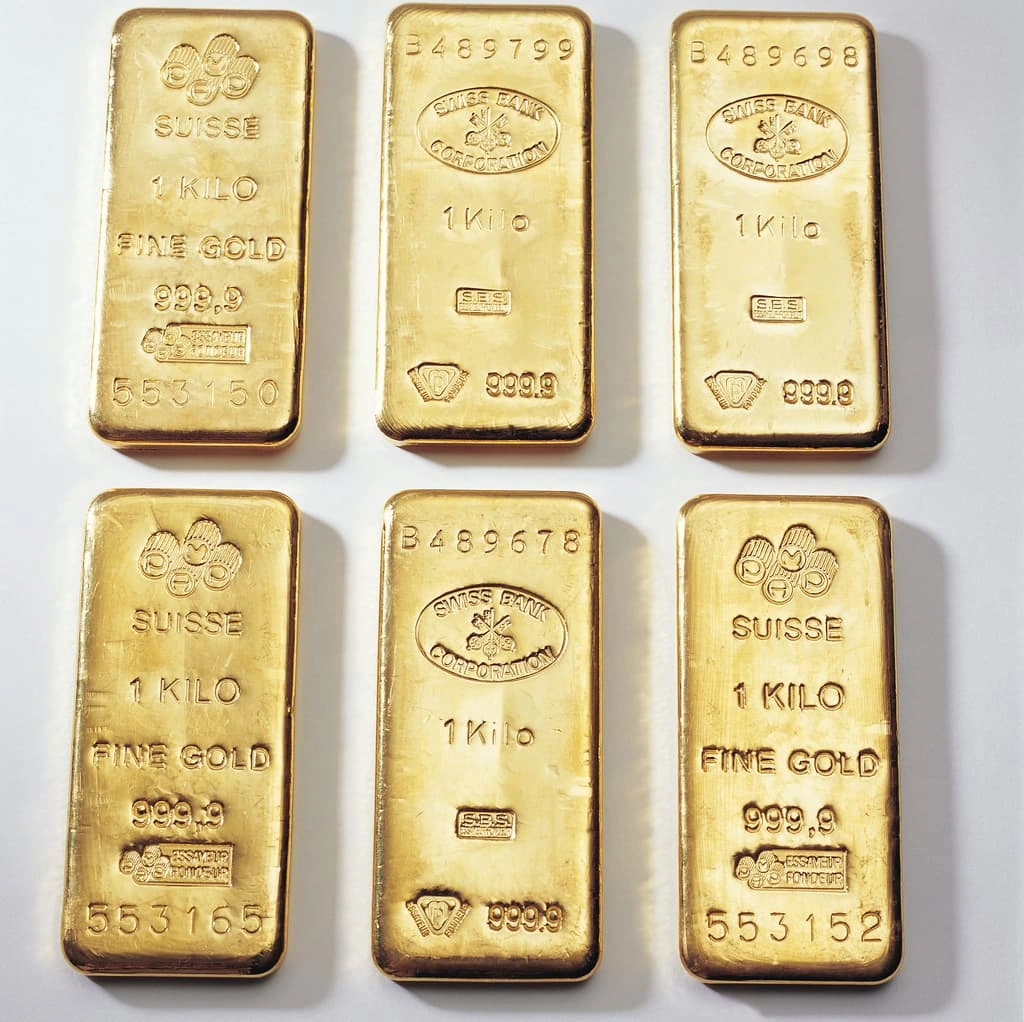
Gold’s appeal in Germany runs deep. The metal has cultural weight as a Krisenwährung (crisis currency), and the data shows why. According to Fundresearch, gold supply grows only 1.5-1.7% annually, remarkably stable regardless of price movements. This scarcity makes it feel like a safe anchor when Fiat-Geldmengen (fiat money supplies) expand much faster during phases of high government debt and political intervention.

Howard Marks, the Oaktree Capital co-founder, dismantles this logic in a recent Business Insider interview. He points out that gold generates no cash flow, making it impossible to determine a “fair price.” As he notes: “Man kann nicht sagen, was der richtige Preis für einen Goldbarren ist” (You can’t say what the right price for a gold bar is). Unlike stocks or bonds where future earnings provide valuation anchors, gold’s price depends entirely on what the next person will pay.
This creates a fundamental problem for investors, especially in Germany where Steuererklärungen (tax returns) already complicate matters. Gold doesn’t produce dividends, interest, or rent. It just sits there, incurring storage costs and opportunity cost while the Finanzamt (Tax Office) waits to claim its share of any gains.
Leverage Turns Bad Bets Into Disasters
Max’s classmate used a 3x leveraged product to amplify his gold bet. This is where financial education fails spectacularly in Germany. Leveraged ETFs and certificates are marketed aggressively through platforms like Trade Republic and Scalable Capital, often without adequate warnings about Decay-Effekte (decay effects) and daily reset mechanisms.
The math is brutal: if gold drops 10%, a 3x leveraged product drops 30%. A subsequent 11.11% recovery in gold doesn’t return the leveraged product to breakeven, it leaves you down 9%. Repeat this volatility long enough, and even a correct directional bet can lose money.
German regulators have been slow to restrict these products. While the BaFin (Federal Financial Supervisory Authority) issues warnings, teenagers can still access 5x leveraged crypto ETPs with a few taps. The result: a generation confuses gambling with investing.
Survivorship Bias: Why You Only Hear From Winners
The most insightful comment on Max’s post explains survivorship bias perfectly. Imagine 100 people make a risky trade with 10% chance to triple money and 90% chance to lose everything. After one round, 10 winners remain vocal while 90 losers stay silent. After two rounds, one “genius” has won twice in a row and starts a YouTube channel. The 99 losers are invisible.
This explains why German finance influencers often have questionable track records. The ones who survived their risky early bets now claim skill, not luck. Their followers don’t see the thousands who followed similar strategies and lost everything.
The Deutsches Aktieninstitut reports that 14 million Germans now invest in stocks, ETFs, or funds, a record high. But this surge brings naive capital that chases recent winners. When gold rallies, everyone wants gold. When the DAX drops, they panic sell. The disciplined minority who stick to ETF-Sparpläne (ETF savings plans) through volatility build actual wealth.
The MSCI World: Boring and Effective
Max mentioned ETFs as part of his strategy. This puts him ahead of most German investors. The MSCI World index, tracked by popular ETFs from iShares, Amundi, and Xtrackers, represents large and mid-cap companies across 23 developed countries. It’s the opposite of exciting, exactly why it works.

Consider the Amundi MSCI World UCITS ETF (LU1681043599). It’s thesaurierend (accumulating), meaning dividends automatically reinvest. It’s physisch replizierend (physically replicating), holding actual stocks rather than derivatives. It trades in euros, simplifying Steuerreporting (tax reporting) for German investors. And it’s available in Sparpläne (savings plans) starting at €25 monthly through most German brokers.
This single ETF provides instant diversification across sectors and geographies. When geopolitische Spannungen (geopolitical tensions) flare up over Greenland or elsewhere, your portfolio might dip, but it doesn’t collapse because a single bet goes wrong.
German-Specific Tax Traps
Max’s classmates who trade leveraged gold products face a hidden enemy: German tax law. Spekulationsgewinne (speculative gains) on derivatives held less than one year are taxed at your personal income tax rate, potentially 42% plus Solidaritätszuschlag (solidarity surcharge). Worse, you can’t offset losses against other income, only against similar capital gains.
ETFs benefit from preferential treatment. Since 2018, thesaurierende ETFs fall under the same tax regime as distributing funds, with a Vorabpauschale (advance lump sum) taxed annually. But long-term holders pay only 25% Abgeltungsteuer (withholding tax) plus solidarity surcharge on actual gains when they sell, much lower than income tax rates.
The Fiktive Veräußerung (deemed disposal) at year-end can surprise new investors, but it’s predictable. Gold held physically for over one year is tax-free, but leveraged products never qualify for this exemption. Max’s classmate who made €500 might owe €210 in taxes, plus future losses can’t offset his regular income.
Building a Real Portfolio in Germany
If you’re a German resident wanting to avoid Max’s classmates’ mistakes, here’s a practical framework:
Step 1: Emergency Fund
Keep 3-6 months of expenses in a Tagesgeldkonto (instant access savings account). Don’t invest money you’ll need within five years.
Step 2: Core ETF
Start with a broad MSCI World or FTSE All-World ETF. The Vanguard FTSE All-World (VWCE) includes emerging markets, providing slightly more diversification. Set up a Sparplan with automatic monthly investments.
Step 3: Home Bias (Optional)
Consider adding a German-focused ETF like the MDAX or SDAX tracker. German investors often overweight domestic stocks due to familiarity, but limit this to 10-20% of your portfolio.
Step 4: Rebalancing
Review annually. If your stock allocation has grown beyond your target, sell some and buy bonds. In Germany, Anleihen-ETFs (bond ETFs) face the same tax treatment as equity ETFs, making them simple to hold.
Step 5: Tax Optimization
Use your Sparerpauschbetrag (savings allowance) of €1,000 (single) or €2,000 (married) annually by selling winning positions. Consider a Riester-Rente (Riester pension) or Rürup-Rente (Rürup pension) for additional retirement tax benefits, though these come with restrictions.
Why Max Was Right All Along
The most telling detail in Max’s post: his classmate’s trade was based on a meeting that “didn’t really escalate.” The gold price likely rose for unrelated reasons, but the leveraged bet paid off anyway. This is randomness masquerading as skill.
German investors face a media environment that amplifies noise. Business channels hype daily price movements. Finanzinfluencer showcase winning trades. Even traditional banks push complex certificates with catchy names. In this chaos, Max’s simple principle, diversification, long-term thinking, minimal speculation, stands out as revolutionary.
The data supports him. According to the Deutsches Aktieninstitut, investors who hold ETFs for over ten years have a 95% probability of positive returns. Gold over the same period? The price is up, but adjusted for inflation and storage costs, returns are modest. And those who used leverage? Most are no longer in the market to report their results.
The Bigger German Problem
Max’s experience points to a systemic issue: financial education in Germany is failing. Schools don’t teach personal finance. Parents often lack investment knowledge themselves. The result is a generation learning from social media, where survivorship bias and get-rich-quick schemes dominate.
This matters because Germany faces a Vermögensbildungskrise (wealth-building crisis). Despite high wages, median net worth remains low compared to other European nations. The country needs young people investing wisely in productive assets, not speculating on metals.
The Finanzfluss YouTube channel, which Max referenced, has done more for German financial literacy than most government programs. But it competes with louder voices promising faster riches. Regulators need to restrict access to leveraged products for minors and mandate clearer risk warnings.
Final Word to Max
If you’re reading this: you weren’t clueless. You were the only one in your class who understood that investing isn’t about being right once, it’s about not being wrong enough to get knocked out. Your classmates’ leveraged gold bets might work a few times, but probability will catch up with them.
Keep learning. Keep diversifying. And when your classmates ask for stock tips in five years, remember that the best revenge is a well-funded ETF-Sparplan and the peace of mind that comes with it.

The classroom debate reflects a broader German investment culture that confuses speculation with strategy.
Related Reading:
- For deeper analysis on how geopolitical events affect passive portfolios, see our piece on geopolitical risks in passive ETF portfolios
- Understand the tax implications of your ETF strategy with our guide on tax implications of ETF investing in Germany
- Explore why high German wages don’t translate to wealth in Germany’s disconnect between income and long-term financial security