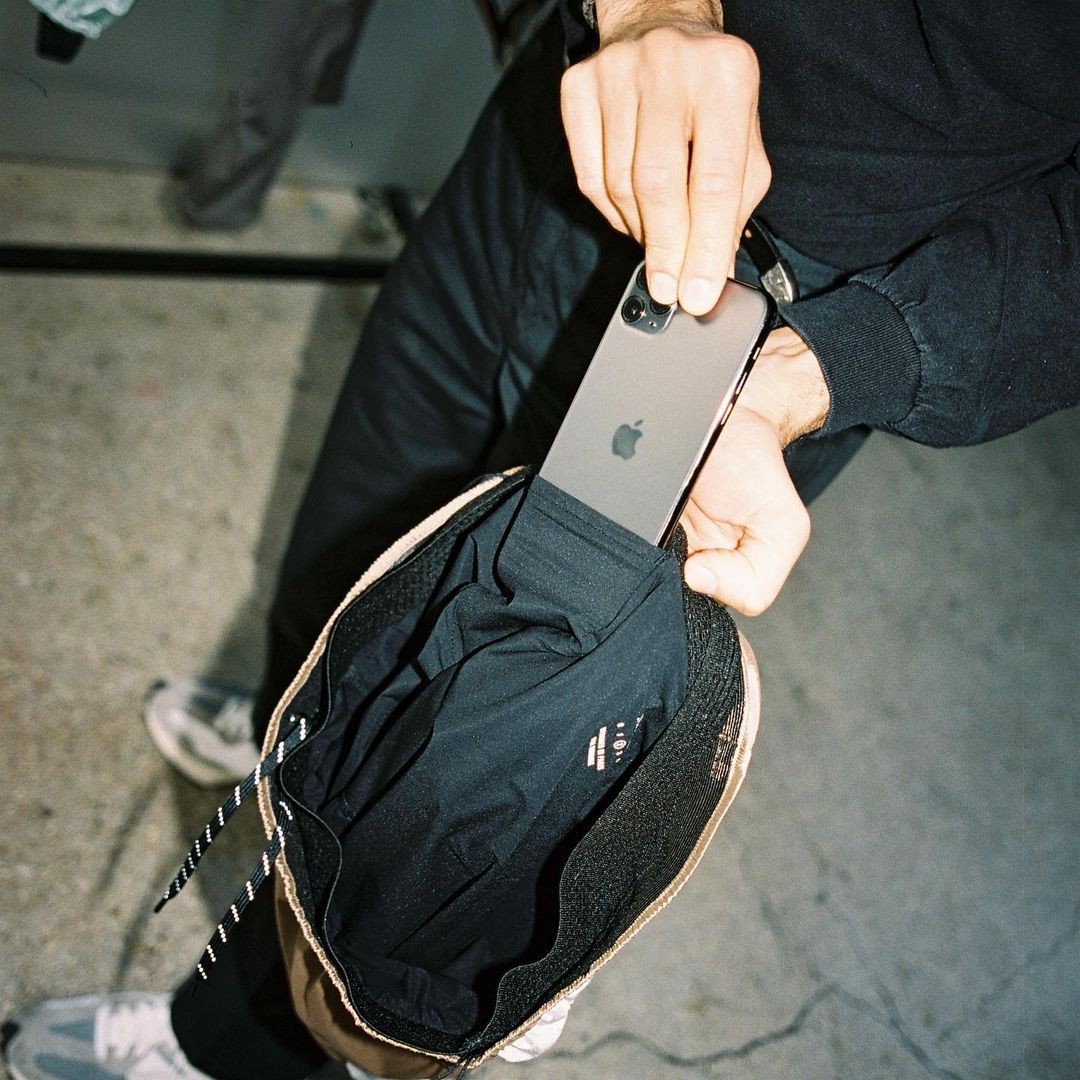
Your entire net worth fits in your front pocket. For German investors who’ve spent years building a portfolio through Trade Republic, Scalable Capital, or traditional brokers like Consorsbank, this convenience masks a chilling vulnerability. The research data reveals a stark reality: when your smartphone disappears, your investment security depends on layers of protection most people don’t realize are broken.
The Moment Everything Unravels
Picture this: You’re on the U-Bahn in Berlin. Someone shoulder-surfs your PIN as you unlock your phone. Two stops later, your pocket feels lighter. In that moment, you’ve lost more than a device, you’ve potentially handed over the keys to your Depot containing years of careful ETF-Sparplan execution.
The immediate aftermath follows a predictable pattern. Most victims rush to remote-wipe their device, change passwords, and contact their bank. But the damage may already be done. If a thief observed your unlock code, they now have a window, sometimes hours, before you even realize the theft. During that time, they can access your email, intercept password reset attempts, and potentially bypass what most consider “secure” authentication.
Why Your 2FA Might Be Useless
Two-factor authentication gets touted as the gold standard, yet the forum discussions reveal a critical flaw: device-dependent 2FA is a single point of failure. Many German banks still tie their TAN-Verfahren to a single smartphone. When that device vanishes, you’re not just locked out temporarily, you’re facing a bureaucratic nightmare.
Consider the Consorsbank approach: lose your phone and you’ll need to mail a physical form with an Ausweiskopie to Nürnberg. This process can take weeks. During that time, your portfolio remains exposed if the thief gained email access. The bank’s security model assumes physical document verification trumps digital risk, a logic that collapses when criminals exploit the gap between theft and your reporting.
Modern Android-Sicherheitslücken compound this risk. Google recently confirmed that vulnerabilities in Android versions 13 through 16 are being actively exploited, allowing attackers to compromise devices without user interaction. While the December 2025 security patch addresses these flaws, millions of devices remain exposed, especially budget models from manufacturers slow to release updates.
The Supply Chain Attack No One Talks About
Here’s where it gets genuinely alarming. Security researchers discovered a Supply-Chain-Angriff auf das .NET-Ökosystem where a fake NuGet package masqueraded as a popular tracing module. Since 2020, this attack has stolen credentials to Krypto-Wallets. The same principle applies to mobile banking: malicious browser extensions for Chrome and Edge have been caught secretly collecting authentication prompts and sending them to analytics servers without opt-out mechanisms.
If your investment apps run in a browser or share authentication with compromised services, your phone’s physical security becomes irrelevant. The theft happens silently in the background while you browse.
EU Regulations Change the Game, But Not Fast Enough
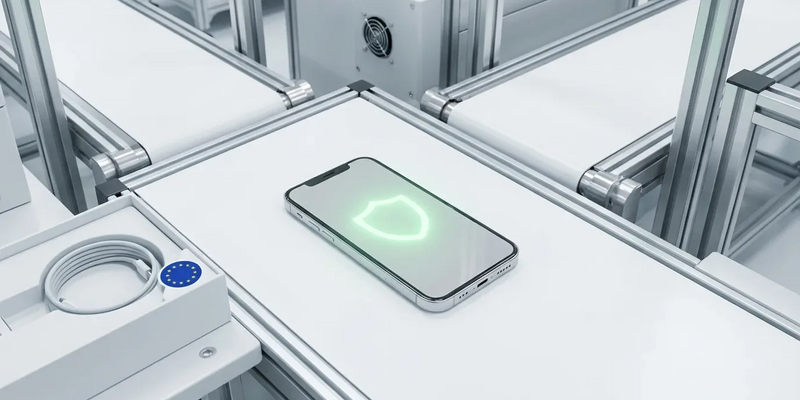
Since January 2026, new EU-Sicherheitspflichten mandate five years of security updates for all smartphones sold in Europe. The NIS-2-Richtlinie implementation in Germany classifies digital manufacturers as “wichtige Einheiten” requiring comprehensive risk management. Violators face substantial fines.
While this promises better long-term protection, it does nothing for the millions of devices already in circulation. Samsung’s Galaxy S26 series may offer extended support, but your three-year-old Xiaomi device could remain vulnerable indefinitely. The regulation addresses future risk, not your current exposure.
The Multi-Broker Strategy That Actually Works
Financial advisors often recommend splitting assets across multiple institutions. The logic seems sound: if one broker gets compromised, you don’t lose everything. But this strategy fails when your phone becomes the universal key. Most investors use the same email, the same password manager, and the same 2FA app across all platforms.
The real solution requires device isolation. One seasoned investor in the research data maintains a second phone, powered off and stored at home, with separate 2FA tokens for critical accounts. This “cold device” approach mirrors how serious crypto investors handle Krypto-Wallets: never keep all keys in one place.
Practical Steps That Don’t Rely on Hope
Forget generic advice about “strong passwords.” Here’s what actually matters:
- 1. Device-independent authentication: Purchase a Yubikey or similar hardware token. Configure it as your second factor wherever possible. Unlike phone-based authenticators, a hardware key can’t be stolen remotely and remains functional even if your phone disappears.
- 2. Email isolation: Create a dedicated email address exclusively for financial accounts. Never access it from your daily phone. Use a separate device or secure webmail with hardware key authentication. This single step prevents the most common attack vector: email-based password resets.
- 3. Remote wipe readiness: Set up remote wipe capabilities before you need them. Android’s “Find My Device” and Apple’s “Find My” require prior activation. Test the process annually. More importantly, know that remote wipe only works if the device connects to the internet, thieves know to keep stolen phones in airplane mode.
- 4. The 48-hour rule: Configure your most critical accounts with a mandatory waiting period for large transfers. Some German banks offer this for Depot transactions. Even if an attacker gains access, they can’t immediately liquidate your positions.
- 5. Physical separation: Never carry both your primary phone and backup access methods. Leave a hardware key or backup codes in a secure location at home. The goal is ensuring theft of your daily carry doesn’t equal theft of all access methods.
The Inheritance Problem No One Solves
One commenter raised a dark but crucial point: Vermögensverwaltung beauftragen, bevor man tatterig wird. All security measures fail if cognitive decline or death leaves your heirs unable to access your assets. Many German investors have seven-figure portfolios but no plan for transferring access.
Consider this: Your Depot holds €500,000 in ETFs. You die unexpectedly. Your family knows you invested, but your phone is locked, your password manager is encrypted, and your 2FA tokens are device-bound. The broker requires a court order to release funds, a process taking months and thousands in legal fees.
Some fintech startups now offer “digital inheritance” services, but they introduce their own security risks. The traditional approach, naming a Vermögensverwalter in your will, remains more reliable but requires trusting a third party.
Why Chrome’s Latest Patch Matters for Your Portfolio
Google’s emergency fix for the actively exploited ANGLE-Schwachstelle CVE‑2025‑14174 in Chrome demonstrates how browser security directly impacts financial safety. Many investors access their Depot through web interfaces. A browser vulnerability can expose session tokens, allowing attackers to impersonate you without ever touching your phone.
The patch also fixed password manager and toolbar vulnerabilities, components many investors rely on for convenience. But convenience is the enemy of security. Relying on Chrome to store banking passwords creates a single point of failure that no amount of phone security can protect.
The Bottom Line: Assume Breach
The most sophisticated security posture assumes your phone will be stolen. Build your defenses around limiting damage, not preventing theft. This means:
- Splitten Sie Ihr Depot across brokers, but use completely separate authentication chains for each
- Nutzung der eID instead of sending Persokopien through unencrypted email
- Automatische Softwareupdates enabled, but recognizing that patches lag behind exploits
- Passkeys where available, though German banks lag in adoption
Your investment security isn’t about having a strong PIN. It’s about ensuring that the loss of one device doesn’t cascade into the loss of your financial future. In Germany’s increasingly digital financial landscape, that requires thinking like a security professional, not just a prudent investor.
The uncomfortable truth? Your phone’s security is only as strong as its weakest link, whether that’s an unpatched Android-Schwachstelle, a compromised browser extension, or simply a thief who watched you type your unlock code on the U-Bahn. Plan accordingly.