When Smartbroker announced it would stop accepting Payment-for-Order-Flow (PFOF) payments while keeping fees unchanged, the German fintech world took notice. The move comes ahead of an EU-wide PFOF ban set to hit Germany this summer, and it positions Smartbroker as the broker that supposedly puts customers first. But is this really the victory for retail investors that the press release claims? The answer depends on how much you trust a business model that just lost a key revenue stream.
What PFOF Actually Means for Your Portfolio
Payment for Order Flow is the practice where brokers route customer orders to specific trading venues in exchange for a rebate. In Germany, this has enabled neo-brokers to offer commission-free trades that feel like a gift to cost-conscious investors. The regulator’s concern is straightforward: brokers might prioritize rebates over best execution, sending your order to the venue that pays them most rather than the one that gives you the best price.
Smartbroker’s decision to voluntarily drop PFOF before the regulatory deadline sounds proactive. According to their ad-hoc announcement, the company will forego roughly 10% of its revenue but has cut costs enough to absorb the blow. The numbers tell a clear story: €69 million in revenue for 2025, EBITDA hovering around zero, and nearly 77,350 new customers acquired. The guidance for 2026 projects similar revenue levels (€66-72 million) with EBITDA remaining flat.
The message to customers is simple: nothing changes for you. But the message to investors is more complex: we’re betting we can grow without the subsidy that made our low prices possible.
The Business Model Math That Nobody Talks About
Here’s where the narrative gets interesting. Smartbroker isn’t just a brokerage, it’s part of a larger media group that includes the wallstreetonline portal. This dual revenue stream gives it a cushion that pure-play brokers lack. While competitors scramble to replace PFOF income, Smartbroker can lean on advertising and content revenues to smooth the transition.
The company claims early cost-cutting measures have nearly fully compensated for the lost PFOF income. But what does “cost-cutting” mean in practice? Many international residents report that German brokers often reduce staff, limit customer service hours, or push clients toward self-service options. The research mentions Smartbroker plans to expand its IT team by 20 people, but the broader trend in German fintech has been toward automation at the expense of personal support.
The real question is sustainability. If a broker gives up 10% of revenue and doesn’t raise prices, where does the money come from? The research suggests Smartbroker earns from kickbacks on funds, credit brokerage, and interest rate differentials. These are less transparent than explicit trading fees, which raises the classic German bureaucratic question: are we solving one transparency problem while creating another?
How Competitors Are Playing a Different Game
Smartbroker’s approach stands in sharp contrast to its main rivals. Trade Republic, the market leader, obtained a special license from BaFin (Federal Financial Supervisory Authority) to operate its own trading venue. This lets them internalize order flow and capture the spread themselves rather than paying for it. Scalable Capital went further, co-founding the European Investors Exchange with the Hanover Stock Exchange.
These competitors are essentially saying: if we can’t take PFOF payments, we’ll become the trading venue and keep the profits. It’s a more capital-intensive strategy but potentially more lucrative long-term. Smartbroker’s bet is different: keep relying on third-party venues but negotiate better terms and cut internal costs.
The research reveals an important detail: many German investors worry that PFOF bans will simply shift costs from explicit fees to wider spreads. One analysis noted that at common trading times for liquid securities, spread differences between venues like Gettex and Xetra are minimal. But during volatile periods or for less liquid stocks, execution quality could suffer if brokers aren’t incentivized to hunt for best price.
The Hidden Cost Debate: Fees vs. Spreads
The controversy around PFOF touches a nerve in the German investment community. Critics argue that “free” trades were never really free, you paid through worse execution prices. Defenders counter that for most retail investors trading liquid ETFs during normal hours, the difference is negligible.
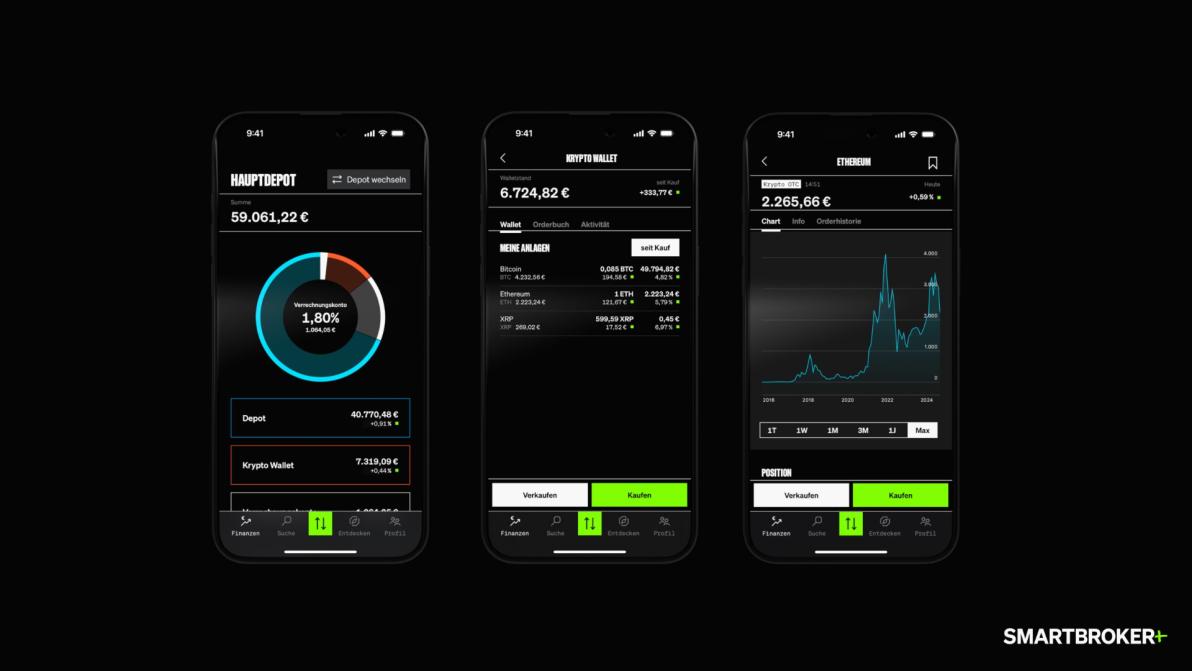
Smartbroker’s CEO André Kolbinger frames the company’s value proposition around active investors who care about low costs and fast execution. The planned 2026 product roadmap includes features like direct debits, powers of attorney, hedging orders, and automated reinvestment, tools that appeal to serious traders, not just casual savers.
But this focus raises a question: are retail investors actually better off? The research shows that young Germans are finally breaking the stock market taboo, with many starting their investment journey through these low-cost brokers. If the PFOF ban forces brokers to raise explicit fees or cut corners on execution, it could slow this trend.
The internal analysis suggests that how hidden trading costs like spreads can erode investment returns similar to PFOF is a real concern. A 4.47% spread on a monthly Sparplan (savings plan) can compound into significant drag over years. Smartbroker’s promise to maintain fees doesn’t guarantee maintained execution quality.
What This Means for Your Investment Strategy
For investors using Smartbroker, the immediate impact is minimal. Your €1 trades or free ETF purchases continue as before. But the business model shift signals broader changes in the German brokerage landscape.
The research indicates that Smartbroker is targeting 100,000 new customers in 2026, up from 77,000 in 2025. This growth ambition, combined with flat revenue projections, suggests the company is betting on scale to drive profitability. The plan includes €12.5 million in marketing spending, money that could have funded PFOF rebates.
International residents in Germany should pay attention to two factors. First, customer service quality often deteriorates when brokers cut costs. Second, the product roadmap emphasizes advanced features that may not benefit passive investors. If you’re simply executing a monthly ETF-Sparplan (ETF savings plan), these developments matter less than if you’re actively trading.
The broader context is that the EU’s PFOF ban threatens low-cost trading models and forces pricing changes across the industry. Smartbroker’s move is preemptive, but it’s also a recognition that the old model was unsustainable under new rules.
The Verdict: Clever Positioning, Uncertain Outcome
Smartbroker’s announcement is masterful public relations. It frames a regulatory compliance measure as a customer-friendly initiative. The numbers support the claim that costs have been offset, but only just barely, EBITDA at zero is not a picture of robust health.
For retail investors, the immediate win is real: you keep your low fees for now. But the long-term question is whether this model can deliver both growth and profitability without eventually raising prices or compromising service. The research shows that new investors entering markets through low-fee brokers face changing incentives, and they may not fully understand how execution quality affects returns.
The German retail investor boom, where young Germans are finally breaking the stock market taboo, depends on brokers maintaining accessible pricing. Smartbroker’s move preserves that accessibility, but the underlying business pressure hasn’t disappeared. It’s just been redistributed across cost cuts, media revenue, and hoped-for scale.
Smartbroker has bought itself time and goodwill. Whether that’s enough to build a truly sustainable, customer-first business model remains the open question that will determine if retail investors actually win, or if they’re just getting a temporary reprieve before the next round of fee increases hits the German market.