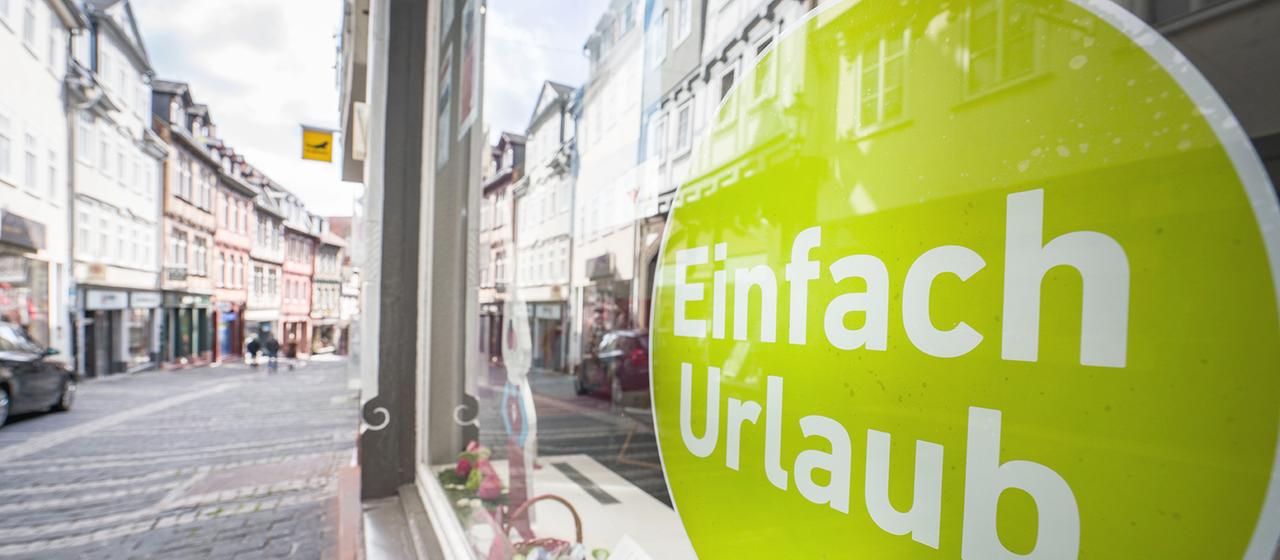
The sticker on the travel agency window says “Einfach Urlaub”, just vacation. Two words that cut through the noise of German financial anxiety like a hot knife through butter. Because while the rest of the country is stockpiling cash at rates not seen since the 2008 financial crisis, something curious is happening: Germans are simultaneously spending record-breaking amounts on exactly what that sticker promises.
This isn’t just another think piece about work-life balance. It’s about a nation experiencing cognitive dissonance at a mass scale, where the rational fear of an uncertain future collides head-on with the emotional certainty of mortality.
The German Savings Paradox: Crisis Mentality Meets Experience Economy
The numbers don’t lie, and they’re telling a story that seems to contradict itself. According to a December 2025 survey by GfK and NIM, Germany’s Sparneigung, the propensity to save, hit 18.7 points, the highest since June 2008. The consumption climate, meanwhile, tanked to minus 26.9 points. Inflation fears and Rentensorgen (pension worries) have triggered what researchers call a “crisis-saving reflex.”
Yet here’s where it gets interesting: 56 million Germans traveled in 2024, spending a staggering €90 billion. That’s not a typo. Ninety billion euros on vacations. By September 2025, 43% of Germans already had concrete vacation plans for 2026 booked or in the works. Travel agencies report their usual booking numbers two months ahead of schedule. The Bassermann family is dropping €15,000 on a Caribbean cruise, and they’re not alone.
This isn’t consumption, it’s compensation. Germans aren’t splurging on luxury goods or upgrading their cars. They’re buying memories, experiences, and the one thing that inflation can’t erode: time with family in a place that isn’t their increasingly expensive living room.
The Regret Equation: What Actually Haunts Savers?
The philosophical question lurking beneath the surface is deceptively simple: If you knew you’d die tomorrow, what would you regret not spending money on? In German financial forums, this question produces answers that range from the profound to the profane. Some mention never taking that dream trip to Southeast Asia. Others lament skipping concerts, restaurants, or that slightly-too-expensive apartment with the balcony. The spectrum of regret reveals something crucial: it’s almost never about the money itself, but about the experiences the money could have bought.
When Saving Becomes a Pathology
The line between prudent financial planning and pathological frugality is thinner than most admit. German culture, with its historical hyperinflation trauma and robust social safety net, has always treated saving as a virtue. But virtues become vices in excess.
Consider the Inflationsangst driving current behavior. The GfK/NIM survey explicitly links the savings surge to renewed inflation fears and pension system debates. Germans are saving not for goals, but for fear. This is defensive saving, and it’s psychologically corrosive. It transforms money from a tool into a shield, and shields are heavy.
The technical term for this is “loss aversion bias”, but in practice, it looks like someone in their early 30s living in a €400 WG room despite earning €70k, because every euro must flow into the ETF portfolio. It looks like skipping a €30 birthday dinner because it would delay financial independence by 0.0003 years. It looks like having €200,000 in investments but never having seen the Mediterranean.
The Travel Priority: Why Germans Choose Experiences Over Things
The travel boom isn’t accidental. Tourism expert Bente Grimm notes that travel has become a social necessity, not a luxury. “Not being able to say you’re going on vacation is something many Germans would rather avoid.” In the age of social media, where photos from Santorini perform better than photos of your new sofa, experiences have become status symbols that also happen to be fulfilling.
But there’s something deeper at work. Germans are notoriously rational, and they’ve done the math: a €2,000 vacation provides utility that a €2,000 television never could. The vacation becomes part of your identity, the television becomes obsolete. The vacation is inflation-proof, the television loses value the moment you plug it in.
This is why families are planning 2027 vacations in 2025. The early booking isn’t just about price, it’s about psychological security. Securing a future experience is a way of guaranteeing that the future will be worth living, even if the pension system collapses and inflation eats your savings.
A Framework for Balanced Financial Discipline
So how do you avoid waking up at 65 with a fat portfolio and a thin life? The answer isn’t to stop saving, it’s to save with purpose.
1. Implement a “Regret Audit”
Once a year, review your spending and ask: “What did I skip that I’ll regret in 10 years?” Not “what was expensive”, but “what mattered.” The €50 you didn’t spend on a concert with friends will sting more than the €500 you saved on a cheaper hotel.
2. Create Experience Buckets
Just as you allocate 20% to ETFs, allocate 5% to non-negotiable experiences. This isn’t “fun money” for random Amazon purchases. It’s for the trip to see your aging parents, the reunion with college friends, the cooking class in Tuscany. These have expiration dates, your brokerage account doesn’t.
3. Calculate Your “Freedom Date” Differently
Instead of measuring financial independence as “when I can quit working”, measure it as “when I can say yes to the things that scare me.” For some, that’s quitting a toxic job. For others, it’s taking a sabbatical. For many Germans, it’s booking that vacation without checking their portfolio balance first.
4. Understand the German-Specific Factors
Your Sparneigung isn’t just personal, it’s national policy. The Rentensystem is under stress. Inflationsangst is rational when you remember the 1920s. But collective anxiety shouldn’t dictate individual life choices. The state is hedging its bets, you should hedge yours by living now.
The Bottom Line: Die Rechnung Machst Du Selbst
The sticker says “Einfach Urlaub”, but the subtext is clear: life is short, the world is large, and your Excel sheet won’t comfort you on your deathbed. Germans are saving like it’s 2008 because the future feels uncertain. But they’re traveling like there’s no tomorrow because, well, there might not be.
The research is unambiguous: experiences produce more lasting happiness than possessions. The data is clear: Germans value travel above almost all discretionary spending. The psychology is sound: regret from inaction haunts more than regret from action.
Your Sparrate (savings rate) is a number. Your life is not. The question isn’t whether to save, it’s what you’re saving for. If the answer is “to feel safe”, you’re doing it wrong. If the answer is “to eventually live”, you’re waiting too long.
The Germans booking €15,000 cruises aren’t rich. They’re just honest about what they’ll regret. The rest of the country is saving for a future that might never come, while they create memories that definitely will.
So here’s the practical advice: keep your emergency fund. Max out your Altersvorsorge. But every quarter, look at your bank statement and ask: “What experience did I buy that I’ll remember in 20 years?” If the answer is nothing, you’re not saving, you’re just deferring regret.
And regret, unlike inflation, compounds in reverse. The longer you wait, the more expensive it gets.