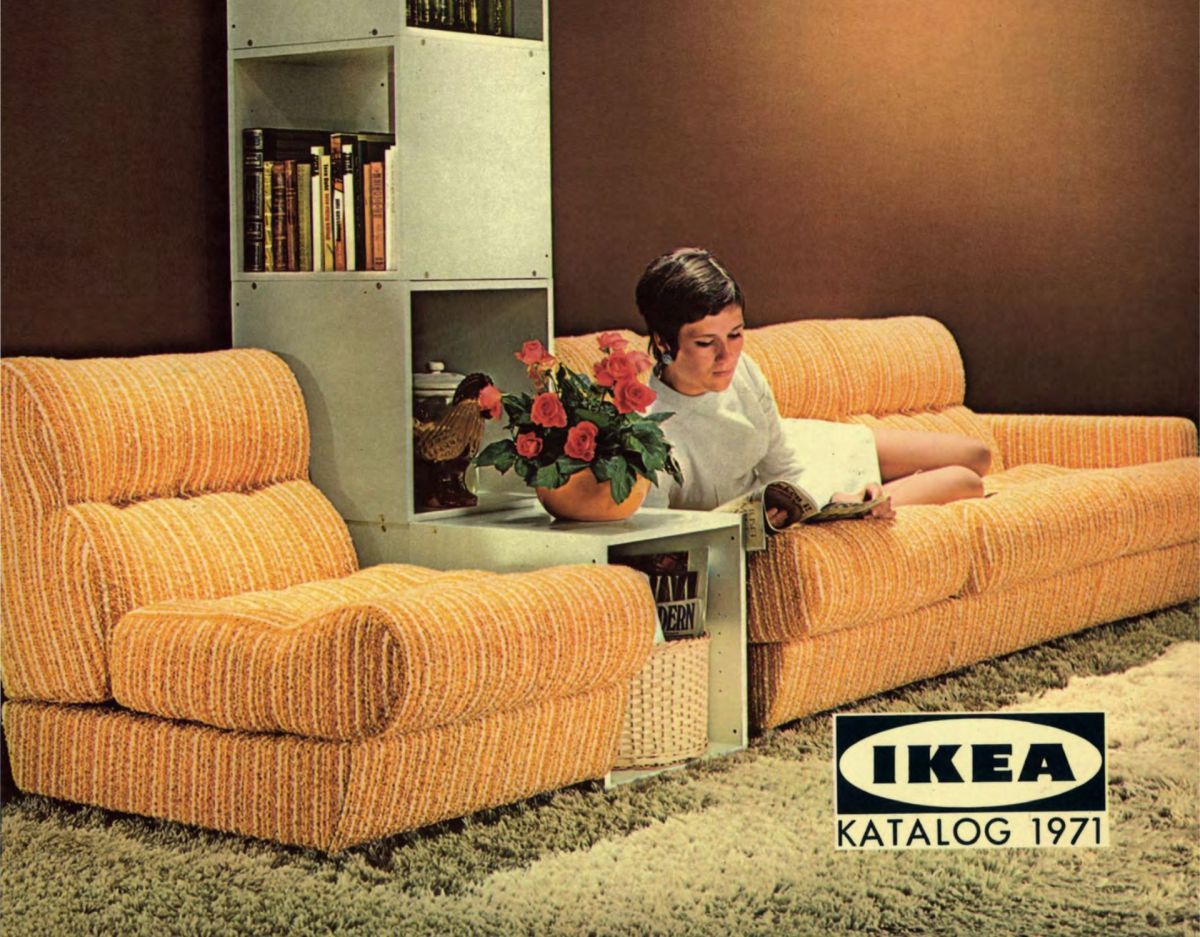
There’s a peculiar schizophrenia in German consumer culture. On one hand, you have the world’s most sophisticated recycling system where citizens meticulously sort their packaging into four different bins. On the other, a bizarre taboo around second-hand furniture that costs the average household thousands of euros annually. The research is brutal: while Germans turn up their noses at used couches, savvy international residents are quietly building wealth one “ekelig” Kommode at a time.
The €3,260 Math Problem Nobody Talks About
Let’s start with hard numbers from a recent move documented on Germany’s finance forums. A couple relocating within Germany spent €240 total on their furniture transition by strategically selling their old pieces and buying used replacements. Their alternative? Shelling out €3,500 for new equivalents. That’s not a typo, it’s a 93.1% savings rate that most German banks would kill to offer.
Here’s the breakdown that should make any financial advisor weep:
– Sold 3 tables: €170
– Sold 8 chairs: €140
– Purchased 2 dressers + table: €50 + chocolate bar
– Purchased sleeper sofa: €350
– Purchased 5 chairs: €50
– Bathroom mirror cabinet: €100 (vs. €290 at IKEA)
The kicker? They invested the difference. Over five years at a conservative 5% return, that €3,260 becomes €4,158. Meanwhile, their neighbors who bought new are sitting on depreciating assets that lost 50% of their value the moment they left the store.
The “Ekelig” Elephant in the Room
The most fascinating cultural friction emerges in the comments. Native Germans frequently describe used furniture as “ekelig”, disgusting, while simultaneously driving used cars and living in decades-old apartments with original plumbing. This cognitive dissonance isn’t rational, it’s inherited.
Many international residents report visiting sellers in “super saubere und ganz normale Haushalte” (super clean and completely normal households). The furniture isn’t caked in mystery stains, it’s often indistinguishable from showroom pieces. One expat noted: “I bought a €1,600 designer sofa for €280. Yes, I rented a van for €50, but my German friends said I was crazy. Meanwhile, they’re financing a €3,000 couch at 8% interest.”
The underlying belief system is the real wealth killer: that new equals clean, safe, and respectable. It’s a superstition that costs German families an average of €4,800 more than necessary when setting up a three-room apartment.
When Your Used IKEA Becomes a Gold Mine
Here’s where the story gets spicy. While Germans avoid used furniture for fear of germs, collectors are paying €2,300 for a 1972 IKEA Impala sofa. That €290 bathroom cabinet you bought new? The vintage IKEA “Duett” lamp from 1980 now sells for €250, up from its original €8.90 price tag.
IKEA’s own “Zweite Chance” program acknowledges this paradox. They’ll buy back your used furniture precisely because they know the secondary market is booming. Yet the average German consumer still associates the blue-and-yellow giant with disposable flat-pack, not appreciating that their Billy bookcase might be worth more than their savings account.
The vintage furniture market has created a bizarre arbitrage opportunity: buy used IKEA from someone who thinks it’s trash, hold for 20 years, sell to a collector who thinks it’s treasure. It’s like cryptocurrency, but with Allen keys:8a2e2.
The Kleinanzeigen Underground Economy
eBay Kleinanzeigen isn’t just a website, it’s Germany’s largest unregulated furniture exchange with its own etiquette, risks, and unwritten rules. The platform processes millions of transactions monthly, yet most users remain oblivious to their legal obligations.
The “Was Letzte Preis?” Phenomenon
Every foreigner learns this phrase within their first month. It’s cultural shorthand for aggressive haggling, but beneath the meme lies a sophisticated negotiation system. Successful buyers report:
- Timing matters: Sunday evening posts from desperate sellers moving on Monday
- Geographic arbitrage: Big city sellers often list at 50% discount to avoid transport hassle
- The chocolate bar factor: One buyer sealed a deal with a table by including a bar of chocolate, proof that German sellers value courtesy over cash
But here’s the controversial part: Kleinanzeigen is dying in rural areas. One user reported: “Outside major cities, the platform is dead. You avoid ‘was letzte Preis?’ but get no buyers at all.” This creates a geographic wealth gap, urbanites save thousands, rural residents burn gas driving to IKEA.
The Legal Trap Most Sellers Don’t See Coming
German law contains a nasty surprise for casual furniture sellers. That “Privatverkauf, keine Garantie” disclaimer you’ve seen everywhere? It’s legally worthless.
According to German civil code (BGB § 438), private sellers cannot exclude Gewährleistung (statutory warranty) for defects that existed at the time of sale. The two-year liability period applies even if you write “no returns” in all caps.
Legal experts from Hopkins Rechtsanwälte warn that vague disclaimers like “sold as is” backfire spectacularly. If you don’t explicitly describe every scratch, wobble, and coffee stain, buyers can demand:
– Price reduction
– Repair costs
– Full contract reversal (Rücktritt)
The only protection? Brutal honesty. Photograph every imperfection. Describe that wobbly leg. Mention the faded spot where the sun hit for three years. One seller learned this the hard way when a buyer demanded €150 back for a “hidden defect”, a scratch visible only under specific lighting.
The AGB Trap
Here’s the kicker: If you sell more than two items regularly, your liability disclaimer becomes an Allgemeine Geschäftsbedingung (standard business term). Suddenly, consumer protection laws apply, and your simple “no warranty” claim is void. Many casual flippers cross this line unknowingly, becoming de facto businesses without the tax registration or legal protection.
Sustainability Is the Side Hustle, Not the Main Event
German media loves framing second-hand shopping as environmental activism. The Frankfurter Allgemeine Zeitung reports that sustainability motivates buyers, but only when it saves money.
Market research shows the primary driver is pure financial survival, especially during inflation. The sustainability narrative is post-purchase rationalization. As one Frankfurt vintage shop owner admitted: “Some want luxury for cheap, some want sustainable, and some want the absolute lowest price. The result is the same.”
This creates a fascinating market dynamic: sellers motivated by convenience (“need this gone before my move”) meet buyers motivated by savings, and both pretend it’s about saving the planet. The environmental benefit is real but incidental, like losing weight because you can’t afford food.
The IKEA Vintage Arbitrage Playbook
For the financially sophisticated, used furniture isn’t just saving, it’s investing. The data reveals clear patterns:
Appreciating Assets:
– 1970s-1990s IKEA (Impala sofa: €2,300)
– Mid-century modern pieces (Chaiselongue “Skye”: €700-€3,000)
– Designer collaborations (Storvik rattan chair: €2,200)
Depreciating Liabilities:
– Anything from the last 5 years (mass production)
– Particle board furniture (Billy bookcases)
– Trendy colors (millennial pink is financial suicide)
The strategy: Buy vintage IKEA from older Germans downsizing, hold for 5-10 years, sell to Berlin hipsters at 10x markup. It’s the furniture equivalent of buying undervalued stocks.
Practical Warfare: How to Win at Used Furniture
For Buyers:
- Set up alerts for “Umzug” (moving) and “zu verschenken” (free) within 15km
- The 24-hour rule: Contact sellers within 24 hours of posting, after that, you’re competing with 50 others
- Bring tools: A cordless drill and moving blankets turn “Abholung nur” (pickup only) into a competitive advantage
- Cash is king: But bring exact change and a chocolate bar
For Sellers:
- Photograph like a crime scene: Every angle, every flaw, every serial number
- Price at 30% of new: Any higher and you’ll get lowballed, any lower and buyers suspect a scam
- Include “VB” (Verhandlungsbasis): Germans need to feel they negotiated, even if you got your price
- The magic words: “Nichtraucherhaushalt” (non-smoking household) increases value by 20%
For Everyone:
- Never pay before seeing the item, scams are rampant
- Always meet in public or bring a friend (German police reported 12,000 Kleinanzeigen-related crimes last year)
- Document everything: Photos, messages, receipts. German courts love paper trails
The Wealth-Building Verdict
The controversy isn’t whether used furniture saves money, that’s arithmetic. The real debate is cultural: Why does a nation obsessed with financial prudence leave thousands on the table over misplaced squeamishness?
The answer lies in the Anmeldung mentality. Germans value stability and official processes. Used furniture feels temporary, uncertain, unregulated. Buying new from a store with a 30-day Rückgaberecht feels safe, even if it costs €3,000 more.
But here’s the uncomfortable truth: that €3,000 invested in an ETF-Sparplan becomes €4,865 in 10 years. Your new sofa becomes worthless. One builds wealth, the other builds landfill.
The stigma around used furniture isn’t about hygiene or quality, it’s about status anxiety dressed up as cleanliness. And in a country where 40% of residents have less than €1,000 in savings, that anxiety is costing them their financial future.
The smart money isn’t buying new. It’s buying used, investing the difference, and letting German cultural blind spots fund their retirement.