
The €40,000 Phone Call: How Fake Carabinieri Are Draining Italian Retirement Savings
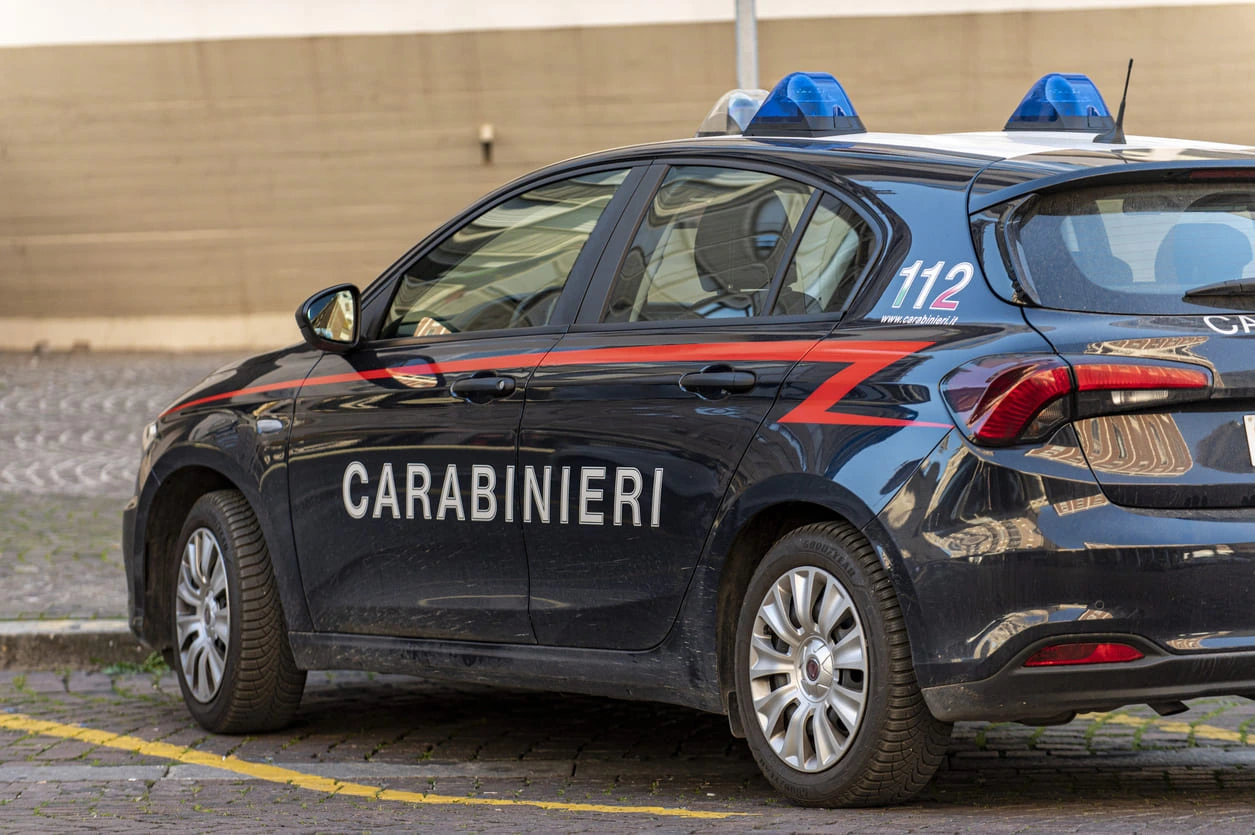
The phone rings at 3 PM. On the line is a voice claiming to be from the Arma dei Carabinieri (Military Police), informing you that your grandson has just caused a serious accident. He needs €40,000 in cash immediately to avoid prison. The caller ID matches your local Carabinieri station. The voice is authoritative, urgent, and knows details about your family.
Within minutes, a well-dressed “officer” arrives at the door. You hand over a lifetime of savings, cash and jewelry, only to discover later that your grandson is safe at work and you’ve been robbed by professional actors.
This isn’t a hypothetical scenario. In Mogliano Veneto, an 89-year-old couple recently lost exactly this amount to a father-daughter scam team who arrived by taxi, collected the money, and were caught only because the taxi driver later helped police identify them. The scammers were boarding a train to Naples when intercepted, the €40,000 already gone to a third party.
The Evolution from Clumsy Emails to Surgical Social Engineering
We’ve moved far beyond the era of badly translated “Nigerian prince” emails. Today’s scammers targeting Italy’s elderly employ sophisticated phishing and social engineering tactics that would impress corporate intelligence agencies.
The new frontier involves “telefonate silenziose” (silent calls). You answer, hear only breathing or a click, and hang up. According to consumer protection group Codacons, these aren’t wrong numbers, they’re profiling systems. Automated platforms verify if your number is active, record when you answer, and capture voice samples. Even a few seconds of your voice can now be used to generate convincing AI clones for future calls.
Scammers cross-reference this data with social media, public records, and data breaches to build detailed profiles. They know your grandchildren’s names, your bank, and your daily routines. When they call back posing as a Carabiniere (Military Police officer) or a desperate relative, they’re armed with enough truth to bypass skepticism.
The Anatomy of the “Truffa del Finto Incidente” (Fake Accident Scam)
The playbook is refined and repeatable:
1. The Urgent Hook
The caller impersonates authority, a Carabiniere, a lawyer, or a hospital official. They create immediate emotional chaos: “Your son has been arrested” or “Your granddaughter is in surgery after a hit-and-run.” The goal is to trigger panic before logic kicks in.
2. The Isolation Tactic
Victims are explicitly told not to contact other family members. “Don’t tell his parents, it would kill them”, or “This is a confidential police matter.” This prevents the victim from verifying the story with a single phone call.
3. The Cash or Gold Demand
Real Italian police never demand cash, jewelry, or prepaid cards to resolve legal issues. Yet scammers insist on immediate payment for “cauzione” (bail) or medical expenses. They often request gold jewelry specifically, it’s untraceable and liquid.
4. The Physical Collection
Unlike digital scams, these criminals show up at your door. Sometimes they wear fake uniforms, other times they pose as “avvocati” (lawyers) or couriers. In the Mogliano case, the scammers took a taxi to the victims’ home to avoid being traced by car.
Why Elderly Italians Are Prime Targets
The vulnerability isn’t just age, it’s architecture and isolation. Many elderly Italians live in condominio (apartment building) units alone, disconnected from daily family contact. Scammers exploit the “nonni” (grandparents) who keep cash at home for monthly bills rather than using digital banking.
The psychological manipulation is precise. Scammers exploit the Italian cultural value of family solidarity and respect for uniformed authority. When a supposed Carabiniere (Military Police officer) says your grandchild is suffering, the emotional override is nearly automatic.
The Family Defense Protocol: Concrete Actions
Establish a Family Code Word
Create a simple, memorable code word that real family members must use if they’re truly in trouble. If the caller doesn’t know it, hang up immediately.
Implement the “Hang Up and Call Back” Rule
Never trust caller ID, it can be spoofed to show the real Carabinieri station number. If someone claims to be police, hang up and dial 112 (the emergency number) yourself to verify.
Banking Barriers
Set up dual authorization for large transfers. Many Italian banks now allow you to place holds on instant transfers over €10,000. The Reddit user who saved his father’s savings arrived home five minutes before a €10,000 instant transfer limit was reached, timing is everything.
The Cash Audit
Have the difficult conversation about cash at home. If elderly relatives insist on keeping large sums for “bollette” (bills), discuss safer alternatives or at least ensure the money is not easily accessible during unexpected visits.
Community Vigilance: The “Vicinato Solidale” (Solidarity Neighborhood)
Protection can’t rely solely on individual vigilance. The Carabinieri are now distributing vademecum (informational pamphlets) in pharmacies across Vicenza and other cities, places where elderly residents regularly visit. These simple flyers outline the red flags: urgency, secrecy, and demands for cash.
Condominium administrators (amministratori di condominio) are being enlisted to post warnings in building entrances and create neighbor phone trees. When an 80-year-old in Pordenone received a suspicious call recently, it was the building administrator who noticed the agitation and called the real police, preventing the scam.
The Critical Role of Reporting
Many victims feel shame and don’t report scams, which allows criminals to operate repeatedly. Calling 112 isn’t just for emergencies, it’s for reporting suspicious contact attempts. Police need these reports to track “giri” (circuits) of scammers moving through regions.
When Digital and Physical Scams Converge
The threat isn’t purely analog. Scammers now send SMS messages claiming to be from NEXI or your bank, showing fake transactions of €2,000 and providing a “block” number to call. When you call, you’re connected to a fake call center that harvests your banking credentials and OTP codes.

This hybrid attack, digital bait leading to phone-based social engineering and physical collection, represents the most dangerous evolution. It combines the scale of phishing with the immediate cash extraction of traditional robbery.
Non-Negotiable Rules for Elderly Investors
If you take nothing else from this, remember these three facts:
- No Italian police force, Carabinieri, Polizia di Stato (State Police), or Guardia di Finanza (Financial Police), ever demands money, jewelry, or prepaid cards to resolve legal issues or release detainees.
- Bail doesn’t work that way in Italy. There is no system where you pay cash to a random officer at your door to free a relative.
- Verify through 112. Any legitimate police contact can be confirmed by hanging up and calling 112 yourself.
The €40,000 lost in Mogliano represents decades of work and sacrifice. Protecting it requires treating phone security with the same seriousness as home security. In a country where family is sacred, the cruelest scam is exploiting that love, so families must become the first line of defense.