
The Dutch tax system operates with the same precision as a Delta Works sluice gate, until you try to understand how you’ll be taxed on investments that haven’t made you any cash yet. Starting January 1, 2028, the Netherlands will fundamentally rewrite the rules for wealth taxation, affecting 3.4 million people who save and invest. The shift from taxing fictional returns to hitting you with an annual bill based on actual gains, including paper profits, has triggered a level of financial anxiety usually reserved for crypto market crashes.
Why Box 3 Is Being Dismantled
For over two decades, the Belastingdienst (Tax Authority) used a simple shortcut: instead of calculating your real investment returns, it applied a fictional fixed rate to your total wealth. This forfaitair rendement (deemed return) system was easy to administer but collapsed in 2021 when the Hoge Raad (Supreme Court) ruled it illegal. The court found that savers with low-yield accounts were unfairly taxed on returns they never earned. Since then, the government has scrambled to create a “fairer” system while hemorrhaging €2.4 billion annually in postponed revenue.
The result is a political compromise that satisfies no one but passes the budgetary sniff test. The new system splits assets into two categories with radically different tax treatments, a hybrid approach that experts call unnecessarily complex and investors call a potential disaster.
The Two-Track Tax System Nobody Asked For
The 2028 reform creates a split personality in Dutch tax law. For liquid investments like stocks, crypto, and savings accounts, you’ll pay vermogensaanwasbelasting (wealth growth tax) annually. For illiquid assets like second homes and startup equity, you’ll pay vermogenswinstbelasting (capital gains tax) only when you sell.
Here’s the kicker: both are taxed at 36%, but the timing couldn’t be more different. Your Apple shares surge in value? You owe tax on December 31, even if you haven’t sold a single share. Your neighbor’s rental property appreciates? They pay nothing until they unload it. This distinction isn’t based on economic logic but on what the Belastingdienst’s aging IT systems can handle.

The government admits this split is temporary. The coalition agreement explicitly states the goal of moving to a full capital gains system, but the tax authority’s digital infrastructure is already drowning in modernization projects. Upgrading to track cost basis and realized gains for every Dutch investor would require an IT miracle that officials privately admit won’t happen before 2028.
Stocks and Crypto: The Annual Squeeze
If you hold stocks, ETFs, or crypto, prepare for a fundamental change in how you plan your finances. Under the new rules, you’ll calculate your portfolio’s value on January 1 and December 31 each year. The difference, plus any dividends or interest received, counts as your “return.” You’ll pay 36% tax on that amount, minus a €1,800 exemption.
Let’s run the numbers. Imagine you start 2028 with €50,000 in a mix of tech stocks and crypto. By year-end, your portfolio has grown to €65,000. Your €15,000 paper gain triggers a tax bill of €4,752 (36% of €13,200 after the exemption). The problem? That gain exists only on paper. To pay the tax, you must sell assets, potentially incurring trading fees and missing future growth.
This creates a forced liquidation risk that many investors haven’t grasped. During market downturns, the problem reverses: you can carry losses forward, but only after 2028. If your portfolio crashes 40% in 2027 and recovers slowly, you’ll pay tax on the recovery gains despite being underwater overall.
The crypto community faces particular pain. Volatility that creates massive paper gains in January could evaporate by December, but your tax bill remains. Many crypto investors are already exploring structures like a Spaar BV (savings private limited company) to shield assets, though this comes with its own compliance costs.
The Second Home and Startup Exception: A Double Standard
Second homes and startup equity get special treatment under the new rules. You won’t pay annual wealth growth tax on these assets, only capital gains tax upon sale. The political logic is clear: the government wants to avoid forcing homeowners to sell rental properties to cover tax bills, and it wants to encourage startup investment.
But this creates obvious inequality. A buy-to-let investor can watch their property appreciate tax-free for decades, while a stock market investor pays annually on unrealized gains. The system effectively punishes liquid investments while rewarding illiquid ones.
For startup investors, the rules contain a critical caveat: shares in “starting companies” qualify for the sale-only treatment, but the definition remains fuzzy. If you invest in a scale-up that’s no longer “starting”, you could be shifted to annual taxation. This uncertainty makes long-term planning nearly impossible.
The €1,800 Exemption: A Mathematical Head-Scratcher
The government defends the new system by pointing to the €1,800 exemption on returns. Critics note this replaces the old €57,000 wealth exemption and works out worse for most investors. The break-even point is roughly a 3% return, below the government’s own 6% assumed growth rate.
As one fiscal expert pointed out, this structure creates odd incentives. A couple could theoretically split assets so each stays under the exemption threshold, but the administrative burden may outweigh the benefits. Many middle-class investors who never worried about Box 3 will suddenly need to track cost basis and market values meticulously.
The Hidden Dangers of the Transition
The switch from fictional returns to real returns creates a treacherous transition period. Losses incurred before 2028 cannot offset gains after 2028. If your portfolio drops €20,000 in 2027 and gains €15,000 in 2028, you pay full tax on the 2028 gain despite being net negative.
This timing issue is already pushing some investors to rethink their strategies during the 2026-2028 transition period. The prevailing advice: consider realizing losses before 2028 and be cautious about large gains just before the switch.
The government is also racing to compensate 2 million taxpayers who overpaid under the old fictional system. This €5 billion repayment program is further straining the Belastingdienst’s resources, raising questions about whether the agency can smoothly launch the new system.
Why Nobody Loves This Compromise
The Tweede Kamer (House of Representatives) is expected to approve the reform next week, but the debate has been brutal. The PVV called it “bizarrely bad”, while the ChristenUnie labeled it “needlessly complex.” Even coalition partners admit it’s a flawed stopgap.
The core problem is budget pressure. Delaying the reform would cost the treasury €2.4 billion annually at a time when public finances are tight. As one parliamentarian admitted, “We’re voting for a bad law because the alternative is fiscal suicide.”
Yet the same politicians promise to replace this system with a proper capital gains tax later. The timeline is vague, “after IT modernization”, which most interpret as “sometime in the 2030s, maybe.”
How Investors Are Already Adapting
Savvy Dutch investors aren’t waiting for 2028. Many are already adjusting their financial strategies to anticipate the changes. The most common moves include:
- Accelerating asset sales before 2028 to lock in gains under the old system
- Shifting to BV structures to house investments, though this triggers corporate tax and dividend issues
- Increasing cash reserves to cover future tax bills without forced sales
- Focusing on dividend stocks over growth stocks to generate cash flow for taxes
The debate over whether this reform is fair or amounts to wealth confiscation is heating up in financial planning circles. Some argue that taxing paper gains is fundamentally unjust, while others counter that the old fictional system was worse.
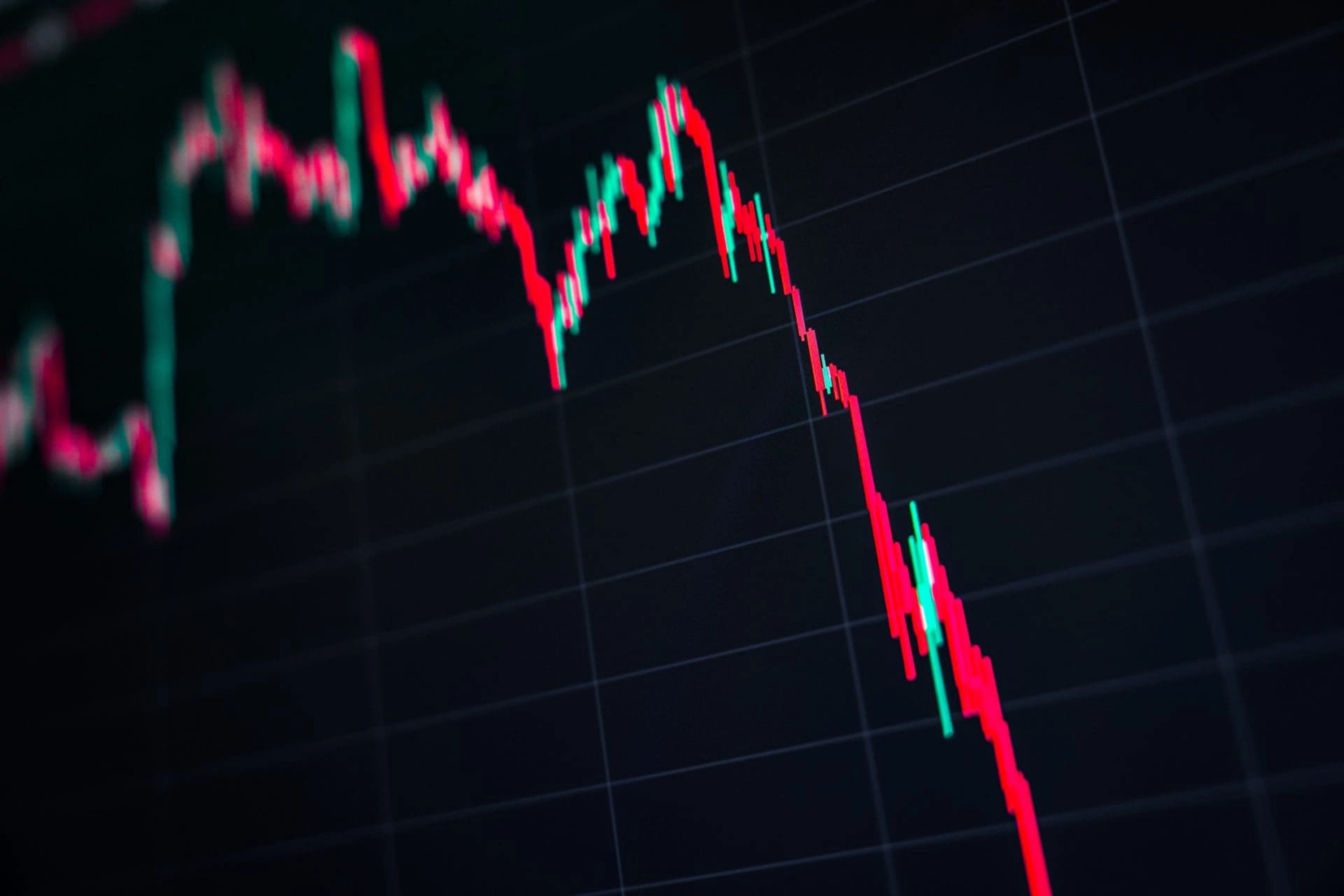
For crypto holders specifically, the volatility makes planning critical. A 30% gain in a bull market could trigger a tax bill that forces you to sell at a loss later if the market crashes. Some traders are exploring legal ways to defer wealth growth taxation, though most legitimate options are limited.
The BV Escape Route (And Its Costs)
Many freelancers and high-net-worth individuals are considering a Besloten Vennootschap (BV) (private limited company) to hold investments. Corporate tax rates are lower than the 36% Box 3 rate, and you only pay personal tax when extracting dividends.
However, this strategy comes with significant downsides: setup costs around €1,500, annual accounting fees of €1,000-2,000, and a 15% dividend tax when you want to access your money. For portfolios under €200,000, the math often doesn’t work.
The impact on freelancers considering BV formation for tax efficiency is creating a cottage industry of tax advisors promising solutions. Most experts advise waiting for final legislation before making expensive structural changes.
What You Should Actually Do Now
While the political theater continues, investors need concrete steps:
-
Start tracking your cost basis for all investments. The Belastingdienst will require this from 2028, and retroactive calculations are painful.
-
Model your tax liability under the new rules. If your portfolio typically gains 7% annually, plan to set aside roughly 2.5% of your portfolio value each year for taxes.
-
Build a cash buffer equivalent to 2-3 years of expected tax payments. This prevents forced sales during market downturns.
-
Consider asset location carefully. The tax differential between liquid and illiquid assets may change optimal allocation.
-
Don’t panic-sell before 2028. The old fictional system remains in place, and rushing to realize gains could push you into higher tax brackets unnecessarily.
-
Stay informed on startup definitions. If you invest in private companies, monitor whether they qualify for the sale-only tax treatment.
For those pursuing FIRE (Financial Independence, Retire Early), comparing the future Box 3 system with Spaar BV structures is essential. The new rules may accelerate the point where a BV becomes advantageous, potentially dropping the threshold from €300,000 to €150,000 for some investors.
The Bottom Line
The 2028 Box 3 overhaul represents the most significant change to Dutch wealth taxation in a generation. While politicians frame it as “fairer”, the reality is a complex hybrid system that taxes paper gains on liquid investments while deferring tax on illiquid ones. The system is universally disliked but fiscally necessary.
For stock and crypto investors, the key takeaway is clear: you will need to pay tax on unrealized gains starting 2028, and you must plan for the liquidity crunch this creates. The €1,800 exemption provides minimal relief, and the political promise of a “proper” capital gains system remains distant.
The smartest move is to start preparing your administration now, build cash reserves, and avoid knee-jerk reactions to a law that even its authors admit is temporary. The Dutch tax system may be changing, but the old principle holds: proper planning prevents poor performance, and painful surprises from the Belastingdienst.