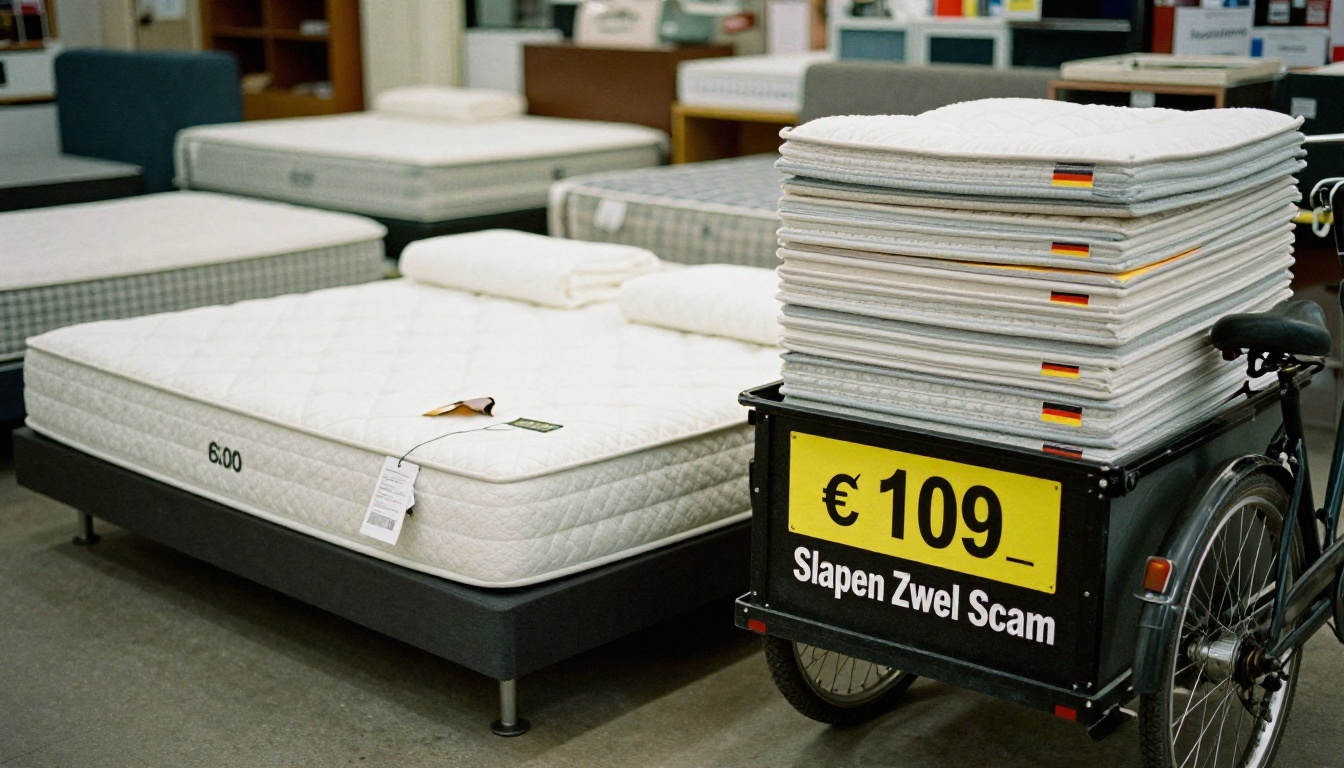
The Dutch have a reputation for being thrifty, yet walk into any woonwinkel (furniture store) in Amsterdam and you’ll find matrassen (mattresses) priced like they’re filled with gold instead of foam. The assumption that a good night’s sleep requires a four-figure investment is perhaps the most successful marketing con since someone convinced us bottled water was worth €2.50.
Recent discussions among international residents reveal a growing skepticism toward this pricing model. Many newcomers report sticker shock when confronted with matrassen costing €1,500 or more, especially when they discover alternatives that deliver comparable comfort for under €400. The question isn’t whether quality matters, it’s whether the price tag reflects actual value or clever branding.
The Price Illusion: Why Your Brain Equates Expensive with Better
Consumer psychology research consistently shows that humans associate higher prices with superior quality, particularly for products we don’t fully understand. Matrassen fit this perfectly: you can’t see inside them, the technical specifications read like chemistry textbooks, and you’ll spend years sleeping on your purchase before knowing if it was a mistake.
Dutch retailers exploit this mercilessly. Terms like “ThermoSync™”, “AirGrid®”, and “Diamond Degree” sound impressive but often describe variations of the same materials. One Reddit user aptly compared this to premium vaatwasmachine tabletten (dishwasher tablets), fancy marketing language masking minimal practical differences. The reality? Most modern matrassen use combinations of foam, springs, and cooling layers that cost manufacturers surprisingly little to produce.
The Consumentenbond (Consumer Association) regularly tests matrassen and frequently awards high scores to mid-range options. Their 2025 assessment gave the Emma Hybrid Premium Matras a respectable 7.5 out of 10, impressive for a product that regularly sells for under €500 during promotional periods. Yet many consumers still gravitate toward €2,000+ models from traditional brands, assuming the price difference guarantees better sleep.
The Dutch Reality Check: What Actually Works
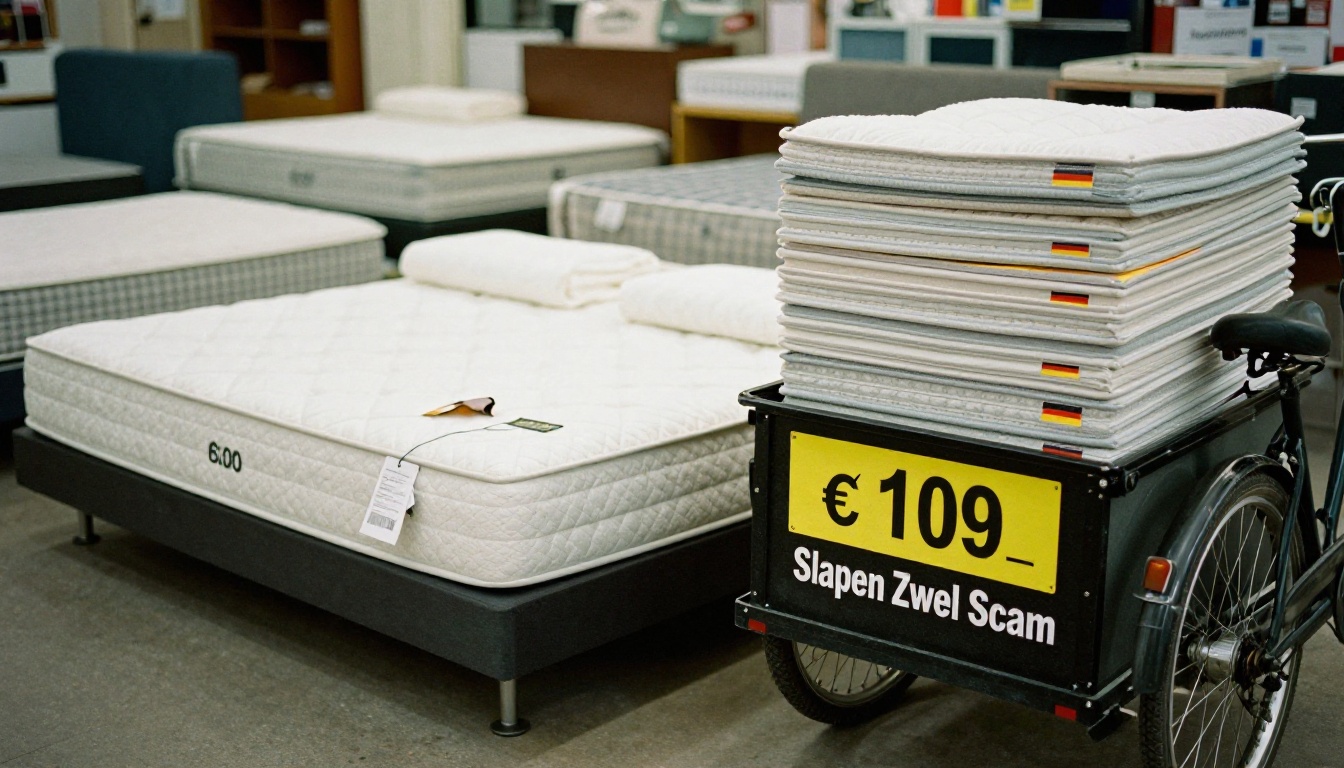
International residents quickly discover that Dutch purchasing habits differ significantly from what marketing suggests. Many long-term expats report buying matrassen directly from German manufacturers like 123schlafen, where a 90×200 cm “Ortho Medic TFK Matratze” costs around €109 excluding shipping. The key insight? These direct-from-factory options come in multiple firmness levels, something that matters more than any proprietary foam technology.
Firmness, or matrashardheid (mattress firmness), emerges as the critical factor Dutch consumers prioritize. A matras that’s too soft causes your heupen (hips), often the heaviest contact point, to sink, creating spinal misalignment and back pain. The solution isn’t expensive materials but selecting the correct firmness level for your body weight. Someone weighing 90 kg typically needs an H4 (hardest) rating, while lighter individuals might prefer H2 or H3.
This practical approach mirrors other Dutch financial wisdom around minimizing fixed expenses and making cost-effective lifestyle choices. Just as the Dutch question whether they need the most expensive energy contract or mobile plan, savvy shoppers question whether they need the most expensive matras.
The Marketing Machine: How Premium Brands Manufacture Perceived Value
Emma Sleep, one of Europe’s largest matras brands, demonstrates the power of direct-to-consumer marketing. Their constant “sales” offering 40-50% off create artificial urgency while still maintaining healthy margins. A €899 matras “on sale” for €449 seems like a bargain, but this pricing strategy is precisely calibrated to make you feel you’re getting premium quality at a discount.
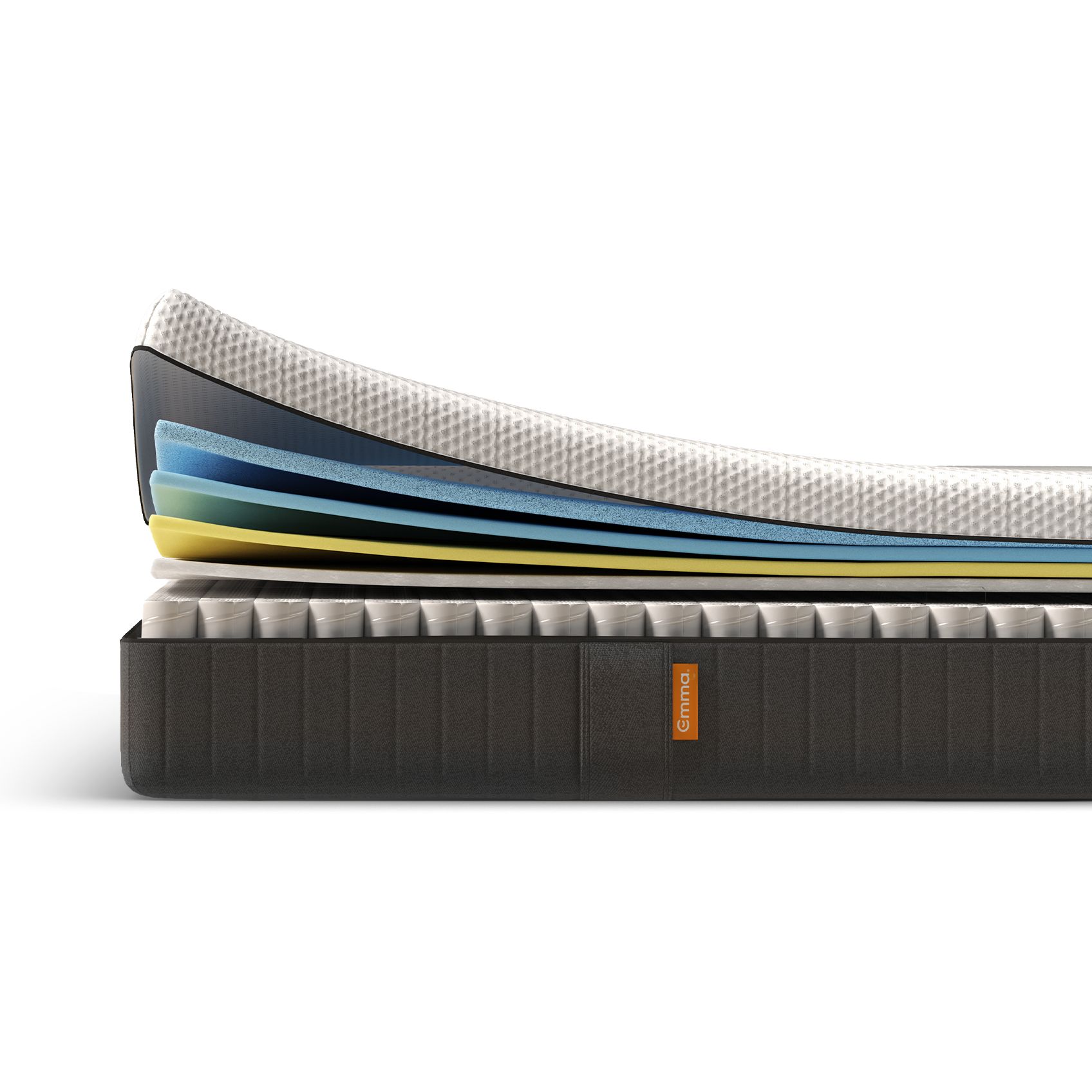
The company’s product naming reveals the strategy: “Original Pro”, “Hybrid Premium”, “Original Elite.” Each tier suggests escalating luxury, yet the fundamental construction remains similar, foam layers, pocket springs, and cooling technology. The €1,229 “Elite” model costs nearly three times the €449 “Pro” version, but independent testing shows diminishing returns on comfort and durability.
What’s particularly telling is Emma’s own pricing on their refurbished “Second Life” matrassen. These returned products, barely used due to their 100-night trial period, sell for 30-40% less than new models, suggesting the original markup is substantial enough to absorb this discount while remaining profitable.
Smart Strategies for Dutch Residents
1. Buy Direct, Skip the Showroom
The most significant price driver isn’t materials but distribution costs. Retail showrooms in expensive Dutch shopping districts add massive overhead. Buying directly from manufacturers, whether German factories or Dutch custom producers like Desimatrassen, eliminates these markups.
Desimatrassen in Nijmegen offers maatwerk (custom work) matrassen starting at competitive prices, with transparent pricing based on dimensions, material, and finishing. Their drive-in service, where you drop off your vehicle during lunch and return to a fitted matras, exemplifies Dutch efficiency while cutting retail costs.
2. Timing Trumps Brand Loyalty
Emma matrassen regularly drop to 40-50% off during promotional periods like “Emma Days” or seasonal sales. Strategic buyers report purchasing during these windows, effectively paying wholesale prices for brand-name products. One consumer noted buying an Emma matras for €400 during a sale, proving that patience delivers better value than brand prestige.
This approach requires the same financial discipline Dutch residents apply when debunking inflated cost expectations for essential personal investments. Just as braces don’t need to cost €30,000, a matras doesn’t need to cost €3,000.
3. Consider the Lidl Option
Multiple Dutch consumers report satisfaction with Lidl matrassen, purchased during the discount supermarket’s household goods promotions. While this sounds absurd to premium brand devotees, these €100-150 matrassen often use comparable foam densities and come with satisfaction guarantees. The key is understanding that for many sleepers, a basic koudschuim (cold foam) matras with appropriate firmness delivers perfectly adequate rest.
4. Focus on Firmness, Not Features
Your priority should be selecting the correct matrashardheid for your body type and sleep position. Side sleepers generally need softer surfaces to accommodate shoulder and hip pressure points, while back sleepers benefit from medium-firm support. Stomach sleepers require firmer surfaces to prevent spinal arching.
This matters more than whether your matras contains “NanoCarbon” or “Diamond Degree” technology. A €300 matras with the right firmness level will serve you better than a €2,000 matras with the wrong one.
The Long-Term Financial Impact
Let’s run the numbers. A €1,500 matras replaced every 8 years costs €187.50 annually. A €400 matras replaced every 5 years costs €80 annually, even if the cheaper option wears out faster, you’re still ahead financially. More importantly, if the cheaper matras suits your firmness needs, it might last just as long.
The Dutch approach to grootstedelijke (metropolitan) living involves optimizing every euro, and matrassen represent one of the easiest areas to cut costs without sacrificing quality. The €1,000+ difference could fund your zorgverzekering (health insurance) for several months or cover a month’s rent in many Dutch cities.
When Premium Might Actually Matter
There are exceptions. Medical matrassen prescribed for specific conditions genuinely require specialized construction. Heavier individuals over 120 kg may benefit from reinforced pocketvering (pocket springs) that maintain support longer. Couples with vastly different body weights might need split-firmness designs that command higher prices.
But for the average 70-90 kg individual without chronic pain conditions, these premium features offer minimal practical benefit. The marketing creates a problem (your current sleep is “suboptimal”) and sells an expensive solution to a problem that doesn’t exist.
Actionable Takeaways for Dutch Residents
- Test firmness first: Visit a winkel (store) to identify your ideal matrashardheid, then buy online where prices are lower
- Wait for sales: Emma and similar brands discount deeply several times yearly
- Consider German direct manufacturers: Companies like 123schlafen deliver to the Netherlands at factory prices
- Don’t fear discounters: Lidl and Aldi occasionally sell surprisingly decent matrassen
- Calculate cost-per-year: Divide the price by expected lifespan to compare real value
- Ignore the jargon: “Thermoregulating” and “pressure-mapping” are nice-to-haves, not essentials
The matras industry thrives on manufactured anxiety about sleep quality. But Dutch consumers who approach the purchase with the same rationality they apply to their energy contracts or mobile plans consistently find that goedkoop (cheap) doesn’t mean slecht (bad), it just means you didn’t fall for the marketing.
Your next matras should support your spine, not the retailer’s profit margin. And in the Netherlands, that wisdom applies to far more than just where you lay your head at night.