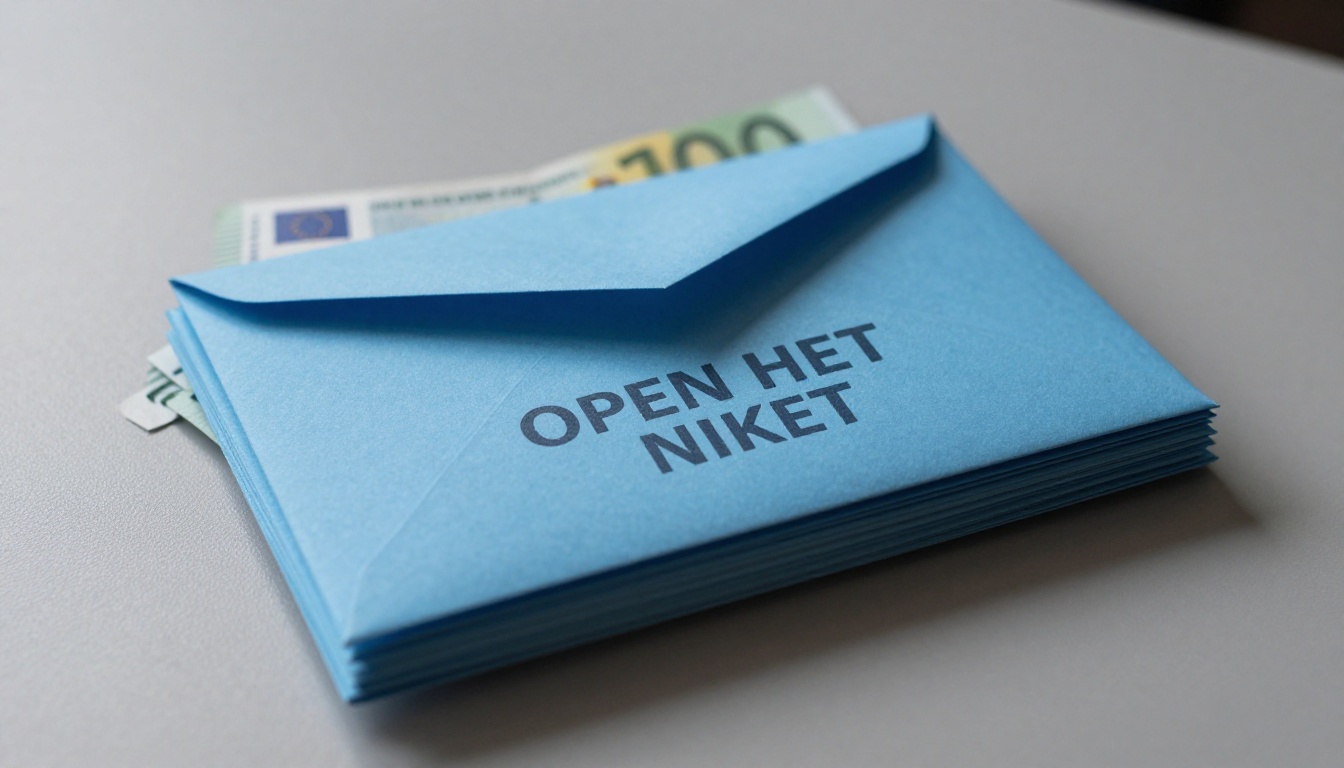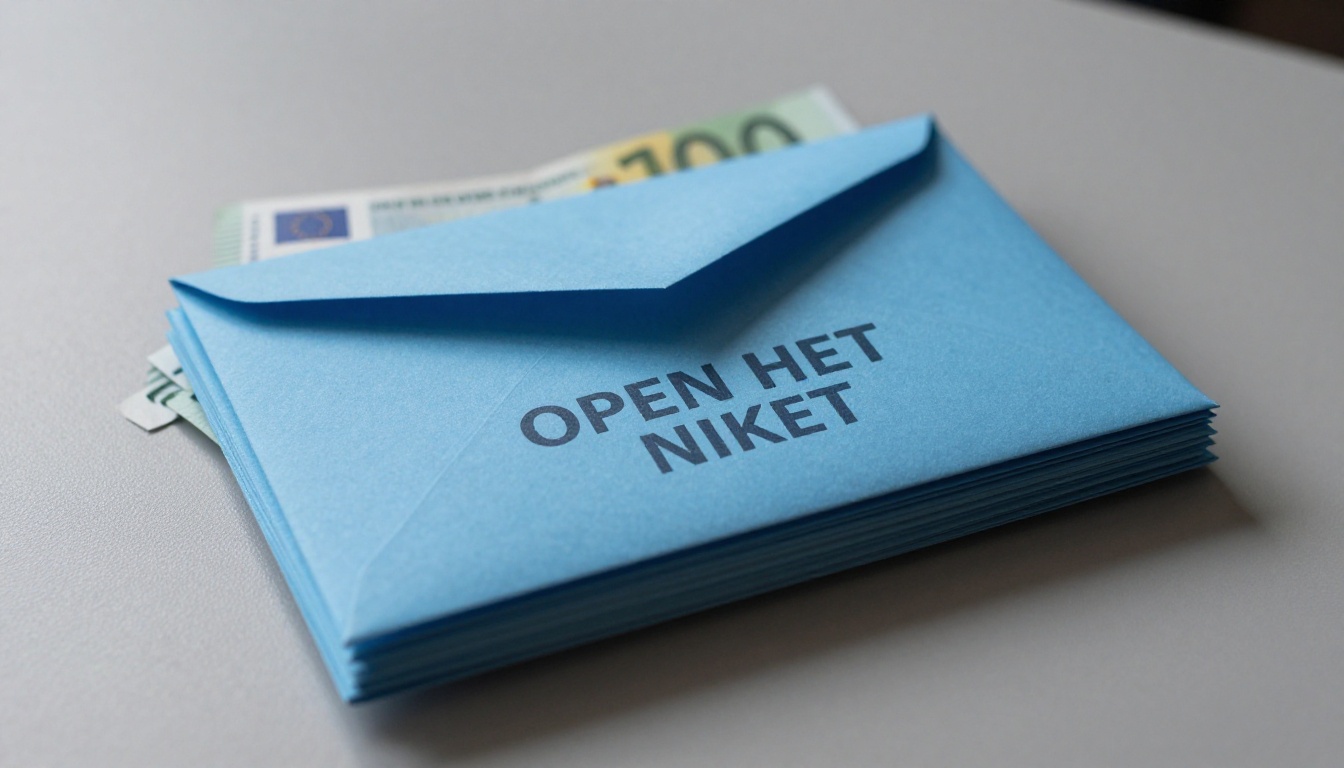
You finally landed the salary you dreamed of. €6,700 gross per month at 27 years old, that’s the kind of income that puts you firmly in the top quartile of Dutch earners. Your fixed costs are reasonable: €1,275 in rent, another €500 for groceries, insurance, and road tax. In theory, you could demolish that €15,000 government debt in under a year. Yet here you are, staring at a stack of unopened blue envelopes, paralyzed by a problem your paycheck should easily solve.
This isn’t a math problem. It’s a Dutch bureaucracy psychology problem, and your salary is both the solution and the trap.
The Salary Mirage: When More Money Magnifies the Shame
The Dutch financial system operates with brutal efficiency, until you’re the one avoiding it. That €6,700 salary translates to roughly €4,300 net, leaving you with about €2,500 after your stated fixed costs. The numbers are clear: pay €1,500 monthly and you’re debt-free in ten months. Pay €2,000 monthly and you’re done by summer.
But the comments from those who’ve been there reveal the real issue: “Op een gegeven moment krijg je ook zo’n reflex dat als er een blauwe brief binnenkomt, je die niet meer openmaakt uit angst.” That reflex, leaving letters unopened, pushing problems forward, telling yourself you’ll deal with it later, doesn’t disappear when your bank account grows. If anything, the disconnect between your income and your debt makes the avoidance more shameful, more isolating.
Many international residents report similar patterns: the higher their income, the more embarrassed they feel about lingering debts. The Dutch cultural expectation of financial prudence makes this worse. You’re supposed to have your act together, especially with a good salary.
The Dutch Government Debt Machine: Why This Isn’t Just Another Bill
Government debt in the Netherlands isn’t like consumer debt. These aren’t credit cards or personal loans where you can negotiate friendly payment holidays. We’re talking about overheidschulden (government debts) from entities that have legal collection powers and zero patience for avoidance.
Your €15,000 likely includes some combination of:
– Belastingdienst (Tax Authority) debts for income tax, VAT, or municipal taxes
– Gemeentelijke schulden (municipal debts) like unpaid waste collection fees or parking fines
– DUO (Education Executive Agency) student loan arrears
– CJIB (Central Judicial Collection Agency) fines
Each has its own escalation process, but they all end the same way: invorderingsmaatregelen (collection measures) that can include loonbeslag (wage garnishment) without a court order. The Belastingdienst can simply notify your employer to redirect part of your salary. Your fancy new income becomes their automatic payment plan.
This is why the “I’ll deal with it later” approach is uniquely dangerous in the Netherlands. The system is designed for immediate action, not for waiting until you feel psychologically ready.
The Blue Envelope PTSD: Breaking the Avoidance Cycle
That unopened blauwe brief (blue envelope) isn’t just paper, it’s a trigger. Dutch authorities use distinct blue envelopes for official communications precisely because they demand attention. When you’ve developed avoidance behavior, each new envelope reinforces the anxiety, creating a feedback loop where the solution (opening it) feels like the threat.
The breakthrough moment comes when you realize: the debt already exists whether you read the letter or not. The only variable is how much extra you’ll pay in collection costs and interest. Dutch collection fees can add hundreds of euros per debt, turning a €500 municipal tax bill into a €700 nightmare within months.
Here’s the uncomfortable truth many face: by the time you’re earning good money, the avoidance habit is so ingrained that having the cash to pay becomes almost irrelevant. You need a system that removes the psychological barrier, not just a bigger bank balance.
The Math vs. The Mind: Your Realistic Dutch Debt Timeline
Let’s run the actual numbers for your situation:
Monthly net income: ~€4,300
Fixed costs: €1,775 (rent + essentials)
Remaining: €2,525
Aggressive payoff (€2,000/month): 7.5 months
Moderate payoff (€1,500/month): 10 months
Conservative payoff (€1,000/month): 15 months
The moderate approach leaves you with €1,025 monthly for variable costs and rebuilding savings. The aggressive approach leaves only €525, which is tight but survivable if you’re disciplined.
But here’s what the math doesn’t show: the cost of continuing to carry the debt. Dutch government debts accrue interest and collection fees. The longer you wait, the more expensive it gets. A year of delay could easily add another €1,000-€2,000 in costs, effectively wiping out any benefit of “spreading it out.”
This is where the risks of accumulating debt for long-term financial goals in the Netherlands becomes relevant. Small debts snowball into major obstacles precisely because we underestimate the carrying costs while overestimating the pain of paying them off.
Fast vs. Slow: The Strategic Choice That Divides Dutch Financial Experts
The comments on similar cases reveal a clear split. The “knallen met afbetalen” (hammer away at paying) camp argues for maximum aggression: throw €2,000 monthly at the debt and be done in under a year. The psychological relief alone is worth the temporary lifestyle squeeze.
The moderate approach suggests €1,500 monthly payments while building a small noodpotje (emergency fund) of €1,000 for unexpected costs. This acknowledges that without savings, any new expense will just create new debt, perpetuating the cycle.
The Dutch financial planning site Nibud typically recommends the moderate path: secure a small buffer first, then attack debt systematically. But they also emphasize that government debt is high-priority, unlike consumer debt, you can’t negotiate it away easily.
This is essentially the same dilemma explored in balancing savings and financial priorities when income increases. The difference is that debt is a guaranteed negative return, while savings have option value. With government debt accumulating fees, the math heavily favors fast payoff.
The Hidden Iceberg: Dutch Collection Practices That Punish Delays
What happens if you keep waiting? Dutch collection follows a predictable escalation:
- First reminder: Usually free or low-cost
- Second notice: €15-40 in administrative fees
- Third notice + deurwaarder (bailiff): €100-300 in additional costs
- Loonbeslag (wage garnishment): Your employer gets involved, and you lose control of the payment schedule
Once a deurwaarder is involved, costs explode. They can add hundreds of euros per debt for simple actions like sending a letter or visiting your home. And yes, they’ll find you, Dutch municipal registration makes it impossible to hide.
The bewindvoering (debt management) process mentioned in research typically lasts 3-5 years and involves a court-appointed administrator taking control of your finances. With your income, you’d likely be forced into a strict payment plan that leaves you with minimal spending money. It’s the nuclear option you want to avoid.
The Action Plan: How to Actually Attack €15,000 in Dutch Government Debt
Here’s the practical roadmap:
Step 1: The Letter Opening Ceremony
Set aside two hours, make coffee, and open everything. Sort debts by:
– Creditor (who you owe)
– Amount (original vs. current with fees)
– Urgency (which ones are closest to loonbeslag)
Step 2: Digital Consolidation
Log into your DigiD (digital identity) and check your Berichtenbox (digital mailbox). Many Dutch authorities have already sent digital copies. Create a simple spreadsheet, no fancy tools needed.
Step 3: Direct Contact (The Scary Part)
Call each creditor. Yes, actually call. The Belastingdienst has a payment plan department. Municipalities have financial aid desks. Use this script: “I’ve had financial difficulties but now have stable income. I want to pay in full but need a structured plan. What are my options?”
Most Dutch government bodies would rather have a payment plan than escalate to collection. It’s cheaper for them too.
Step 4: Automate Everything
Set up automatic payments for the agreed amounts on payday. This removes the psychological burden and prevents new avoidance behavior.
Step 5: Build a Mini Emergency Fund
Even €50 monthly into a separate account creates psychological safety. The research suggests a €1,000 noodpotje (emergency pot) is the minimum buffer to prevent new debt.
The Dutch System Trap: Why Smart People Endure This
The Netherlands ranks high for financial literacy, yet broader context of Dutch household debt and financial behavior shows many residents carry significant debts. The system itself creates traps:
- Fragmented billing: You deal with dozens of separate government entities, each with their own payment deadlines
- Automatic collection: Many taxes are collected automatically, but not all, creating confusion
- Strict penalties: There’s little grace for forgetfulness, fees apply immediately
- Cultural pressure: The Dutch expect financial competence, making it harder to admit problems
Your avoidance behavior isn’t unique, it’s a rational response to an overwhelming system that punishes small mistakes harshly. The difference is that now you have the resources to escape.
Strategic Use of Your Salary: Debt vs. Investment vs. Life
Some might argue you should invest extra cash rather than pay off low-interest government debt. This is the same calculus behind the strategic use of income to manage debt versus investment debate.
But government debt isn’t low-interest when you factor in collection costs and psychological burden. The “return” on paying it off is immediate and risk-free. You can’t responsibly invest while a deurwaarder could show up tomorrow.
The understanding value for money in Dutch financial decisions principle applies here: what’s the actual value of being debt-free? For most, it’s not just financial, it’s the ability to open mail without anxiety, to plan without shame, to use your salary for life instead of past mistakes.
Your Future Self: Systems to Prevent the Next €15,000
Once you’re clean, build these Dutch-specific habits:
Use DigiD and Berichtenbox religiously: Check weekly, not monthly. Official communications arrive here first.
Separate bank accounts: One for fixed costs, one for variable spending, one for savings. Dutch banks like ING and ABN AMRO make this easy with free sub-accounts.
Monthly “administrative hour”: Put it in your calendar. Pay bills, check communications, update your spreadsheet. Make it routine, not reactive.
Set calendar alerts: For recurring Dutch taxes like waterschapsbelasting (water authority tax) and onroerendezaakbelasting (property tax), set reminders two weeks before due dates.
The Bottom Line: The Real Cost Isn’t Financial
That €15,000 is costing you more than interest and fees. It’s costing you mental energy, peace of mind, and the ability to enjoy your success. Every unopened letter is a reminder that your salary hasn’t actually freed you.
The Dutch approach to this problem is characteristically direct: stop avoiding, start paying, and don’t look back. Your income gives you the luxury of choice, choose the aggressive path, get it done in 7-10 months, and spend the rest of your career actually earning for yourself.
The most expensive debt is the one you carry while pretending you don’t. And at €6,700 monthly, you can’t afford that delusion anymore.