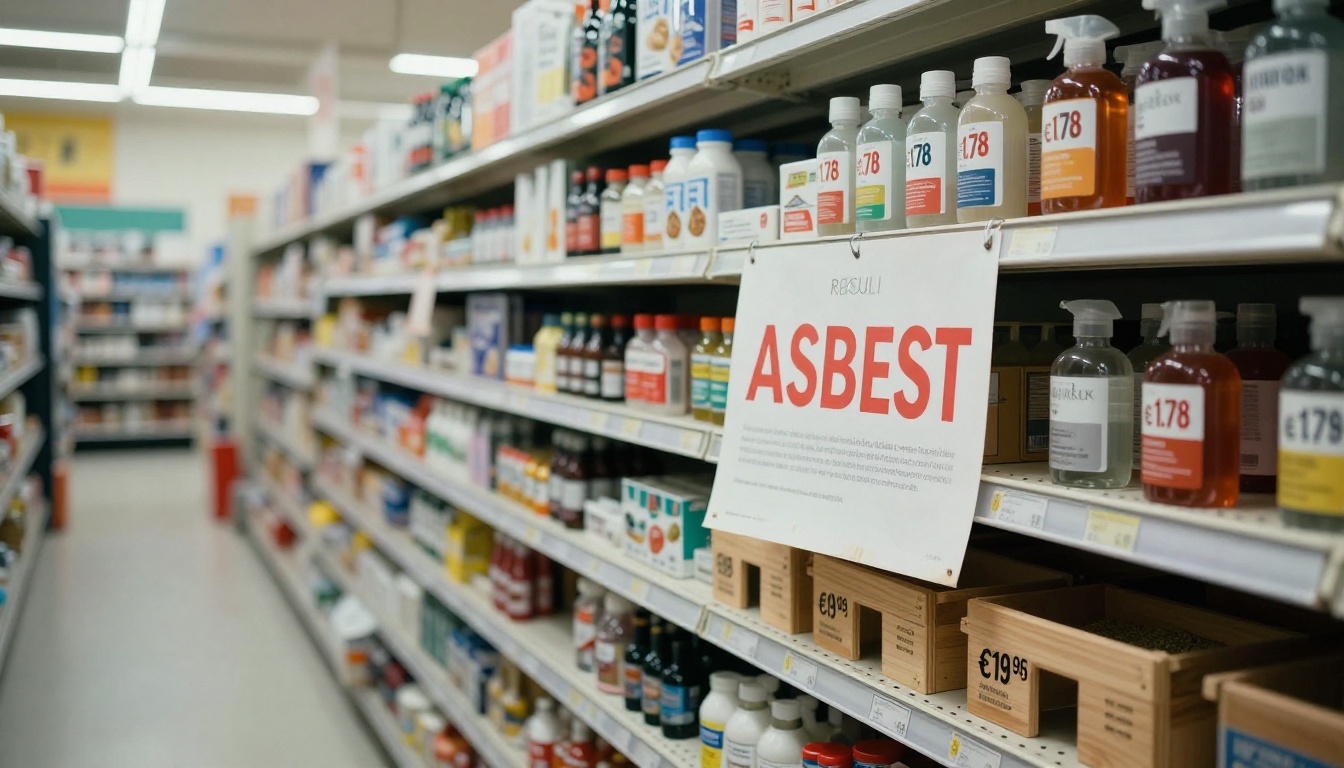
Walk into any Action store in Austria, whether it’s the sprawling location in Gerngroß Vienna or a smaller branch in Graz, and you’ll witness a peculiar consumer ritual. Parents push trolleys overloaded with €9.99 wireless headphones, €3.99 microfiber cloths, and €19.95 wooden sand tables for children. Everyone asks the same question: how can this stuff possibly be so cheap? The answer reveals uncomfortable truths about modern consumerism, household budgets under pressure, and the trade-offs Austrians are increasingly willing to make.
The Austrian Budget Squeeze Meets the Action Phenomenon
With inflation stubbornly high and rising costs of parenting and budget-conscious household decisions squeezing families across Vienna, Salzburg, and Tyrol, discount retailers like Action have become survival tools. One regular shopper from Lower Austria tracked their savings meticulously: shoe cream and brush for €0.55, quality in-ear headphones for €9.99, a large microfiber towel for €3.99. For parents, the savings multiply, sand and water tables for €19.95, wooden toys, baby monitors that withstand toddler destruction better than €80 alternatives.
The math is compelling. A fitness enthusiast discovered 300g creatine monohydrate for €5 at Action, the same compound that supplement shops peddle for €25+ with flashy packaging. The product works identically because, as they noted, most creatine comes from the same bulk manufacturers. This pattern repeats across categories: basic electronics, home goods, children’s items. Austrian families report visiting every two weeks, not from loyalty, but necessity.
But the pricing model raises eyebrows. How does Action maintain profitable margins while undercutting traditional retailers by 60-80%? The speculation among shoppers centers on massive bulk purchasing without middlemen and minimalist store operations. Yet this explanation feels incomplete when you consider the prime real estate, Action occupies prominent spots like Gerngroß that command premium rents. If they can profit there while selling €1.78 room spray, what does that say about the margins traditional Austrian retailers have been collecting?
When the Price Tag Hides a Health Risk
The budget-friendly facade cracked on February 23, 2026, when Action issued a Produktrückruf (product recall) for Stretch Squad children’s toys. The dehnbare Figuren (stretchable figures), sold from April 2024 through February 2026, potentially contained traces of asbestos in their filling. The official warning was stark: if damaged, the filling could escape and pose a health risk.
This wasn’t a minor quality control issue. Asbestos is a known carcinogen, and its presence in children’s toys represents a catastrophic supply chain failure. Action’s response, full refunds without requiring receipts, demonstrates legal compliance but doesn’t answer the deeper question: how did this happen in the first place? The company sources from global suppliers, and the race to the bottom on price inevitably pressures manufacturers to cut corners on materials testing.
The recall affected multiple EAN codes and extended to TK Maxx, which sold the same products. For Austrian parents, this triggered a painful reassessment. That €19.95 toy table feels less like smart budgeting and more like risky gambling when your child’s health is at stake. The incident validates critics who argue that extreme discounting and safety are fundamentally incompatible.
The Hidden Costs of “Too Cheap to Be True”
Beyond safety scandals, the Action model embeds other costs that don’t appear on receipts. Take the €20 indoor security camera that impressed shoppers with its night vision and crisp image. Dig deeper into user experiences and a different picture emerges: the camera functions only through a cloud service with brutal data consumption, requiring an unlimited internet flat. Push notifications don’t work reliably. Motion detection captures mostly unusable still photos rather than video. True video storage requires either an SD card (useless if a burglar steals the camera) or a €7 monthly subscription per camera.
This is the modern discount trap: hardware sold at or below cost to lock consumers into subscription services or data harvesting. The camera runs through the same app as Action’s smart plugs and LED lamps, creating an ecosystem where your “savings” fund ongoing data collection. Many international residents report similar patterns with budget smart home devices, the initial price dazzles, but the total cost of ownership and privacy implications remain hidden.
The Solix SL-700 headphones for €9.99 demonstrate another dimension. While they offer active noise cancellation, a feature usually found in €100+ models, the long-term durability remains questionable. Austrian consumer law provides a two-year Gewährleistung (warranty), but this requires keeping receipts and investing time in returns. For a €10 item, most consumers won’t bother, accepting the disposable nature and repurchasing. This creates a cycle of waste that contradicts Austria’s environmental values.
The Labor and Sourcing Equation
Action’s Dutch parent company operates on a high-volume, low-margin model that demands extreme efficiency. While the company doesn’t publicly detail its Austrian supplier audits, the asbestos recall suggests gaps in oversight. The business model relies on constant product churn, approximately 150 new items weekly, to drive frequent visits. This creates pressure on suppliers to produce quickly and cheaply, often in regions with weaker labor protections.
Shoppers express mixed feelings. One Viennese customer noted it’s “skandalös” (scandalous) that Action can profit while selling at these prices, revealing how much traditional retailers must have been marking up products. Others worry about supporting a system that prioritizes price above all else. The tension reflects broader Austrian debates about financial vulnerability after job loss and consumer financial traps, when you’re struggling to cover basic expenses, ethical consumption feels like a luxury you can’t afford.
Practical Navigation for Austrian Shoppers
So how should Austrian families approach Action? The store isn’t inherently evil, but blind bargain hunting is risky. Here’s a practical framework:
What to Buy:
– Simple commodities with minimal safety risks: microfiber cloths, basic storage, shoe care
– Items where you can verify composition: creatine monohydrate (pure powder with clear labeling)
– Products with independent safety certification: look for CE marks and Austrian standards
– Electronics where data privacy doesn’t matter: solar garden lights without connectivity
What to Avoid:
– Anything for children that could be mouthed or damaged, releasing materials
– Smart home devices requiring cloud accounts and transmitting personal data
– Items with vague “Made in China” labeling and no manufacturer details
– Products with strong chemical odors indicating poor material quality
Smart Shopping Strategy:
– Keep receipts digitally for the full two-year Gewährleistungsfrist (warranty period)
– Test electronics immediately and return within the 14-day Rückgaberecht (right of return) if defective
– Check 5min.at and the Konsumentenschutz (consumer protection) website weekly for new recalls
– Balance Action purchases with quality investments for items affecting health or safety
The Verdict: Context Is Everything
Action stores in Austria serve a real need during economically precarious times. For families facing financial resilience challenges, the ability to buy school supplies, cleaning products, and basic electronics at 70% discounts isn’t trivial, it can mean the difference between managing and falling behind. The store democratizes access to goods that middle-class Austrians take for granted.
Yet the asbestos recall exposes the fundamental tension: extreme discounting requires cutting corners somewhere. Sometimes that’s in retailer margins, but sometimes it’s in material safety, worker conditions, or environmental standards. Austrian consumers must evolve from passive bargain hunters to informed skeptics. The €0.55 shoe cream is a genuine win. The €9.99 connected camera is a potential privacy and cost trap. The €19.95 children’s toy might harbor invisible dangers.
The ethical choice isn’t binary, boycott Action entirely or shop blindly. It’s about matching your purchase decisions to your risk tolerance and values. Buy the microfiber cloths, skip the connected gadgets, and absolutely avoid children’s products without verified safety. In Austria’s current economic climate, Action is neither villain nor savior. It’s a tool that, used wisely, can stretch a budget without compromising what matters most. Use it foolishly, and the hidden costs will find you, sometimes in your child’s toy box, sometimes in your data plan, sometimes in the environmental debt we’re all paying.