Rendity Collapse: What Happens to Investor Funds When a Fintech Platform Shuts Down?
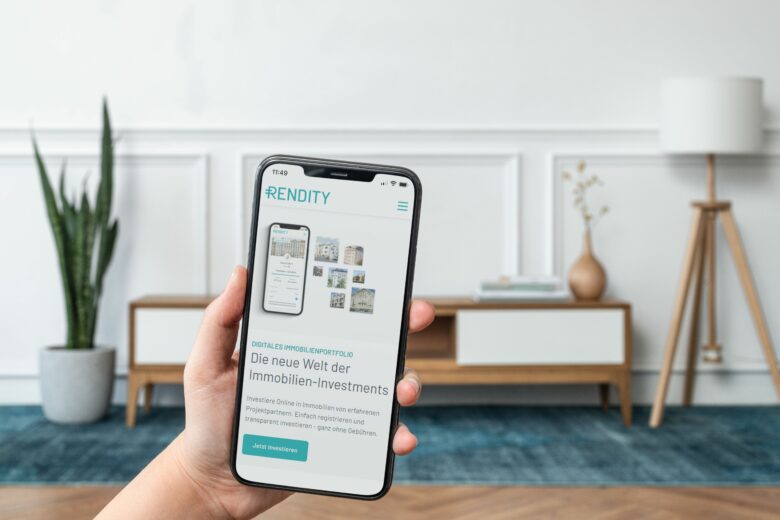
Rendity, the Vienna-based real estate crowdfunding platform that promised to democratize property investment, sent shockwaves through its investor base on February 16, 2026. The company announced it would cease operations, leaving 37,000 investors with €157 million locked in over 220 projects. The platform had already stopped new investments in April 2024 but kept the news quiet for nearly two years while burning through its own capital to maintain the technical infrastructure.
The Timeline: A Delayed Death Announcement
The official statement reveals a troubling gap between operational reality and investor communication. Rendity halted all new emissions and investment mediation in April 2024, surrendered its business licenses, and informed authorities. Yet investors only learned about the shutdown twenty-two months later. During this period, the platform continued running without revenue, financing itself from internal resources while borrowers defaulted and project delays mounted.
The platform will remain accessible until at least May 31, 2026, allowing investors to withdraw funds from their settlement accounts and download documents. After that, the website goes dark, and investors must rely on direct communication with project developers.
Why Rendity Failed: The Perfect Storm
Rendity’s collapse stems from multiple pressures hitting Austrian real estate simultaneously. The company cited the interest rate reversal (Zinswende), inflation, soaring construction costs, and geopolitical uncertainties as primary factors. These macroeconomic shifts created a cascade of problems:
- Project developments stalled as financing became prohibitively expensive
- Multiple borrowers filed for insolvency
- Investor appetite for real estate dried up
- Processing fees from borrowers stopped flowing, eliminating Rendity’s revenue stream
The situation mirrors broader challenges in Austrian real estate. Many investors are now reallocating assets after losing trust in platforms, seeking safer havens for their capital.
The Illusion of Platform Security
Here’s where the legal structure becomes critical. Rendity emphasized in its investor communication that it was never the contractual partner in the qualified subordinated loans (qualifizierte Nachrangdarlehen). Investors lent money directly to property developers, Rendity merely acted as a mediator and technology provider.
This distinction matters enormously. When a borrower defaults, Rendity has no legal standing to enforce payment or pursue claims on behalf of investors. The platform’s limited legal capacity meant it couldn’t take direct action against delinquent borrowers, leaving individual investors to fend for themselves.
Many international residents report confusion about this structure, having assumed the platform bore some responsibility for project performance. This misunderstanding mirrors concerns about risks in foreign investment platforms and issuer stability, where investors often don’t grasp the legal separation between platform and product.
What Investors Must Do Now
If you have funds in Rendity projects, the platform recommends three immediate actions:
- Log into your account and verify your bank details
- Add a withdrawal account if none exists
- Transfer any available balance from your settlement account to your bank account
Crucially, “available balance” refers only to cash sitting in your settlement account, not the capital tied up in active projects. For those investments, you must contact the project developers directly. Rendity has provided borrower contact information, but from May 31 onward, you’re on your own.
Investors express frustration about this handoff. Many report having €4,000 or more locked in projects with no clear timeline for recovery. The prevailing sentiment among affected investors is that chasing individual GmbHs (limited liability companies) across Austria will be a bureaucratic nightmare.
The Tax Trap: No Automatic Loss Certificate
Rendity clarified that it will not issue automatic loss certificates for final defaults. Investors must claim losses through their personal tax declaration, provided they have proper documentation. This requirement creates additional work and uncertainty.
The Austrian Finanzamt (Tax Office) will expect thorough documentation of defaults, but gathering this from multiple project developers, some in insolvency proceedings, presents a significant challenge. Investors should start collecting all project documentation, payment histories, and insolvency notices immediately.
This situation highlights the tax and regulatory pitfalls in alternative investments that many Austrian investors overlook when chasing higher yields.
The Math That Didn’t Work: 7% vs. 20%+
Experienced real estate investors argue that Rendity’s fundamental flaw was offering returns that didn’t match the risk. One investor noted that 7% returns on subordinated loans were inadequate compensation for the risk involved, suggesting 20% should have been the minimum.
This analysis reflects a broader principle: when platforms offer seemingly attractive yields without commensurate risk premiums, the math eventually breaks down. The combination of subordinated loan structures, meaning you’re last in line during bankruptcy, and insufficient returns created a house of cards.
Some investors are now shifting investment strategies amid geopolitical and platform risks, moving toward assets with clearer regulatory frameworks and more transparent risk profiles.
Platform Risk: The Hidden Danger in Fintech
Rendity’s collapse exposes a critical vulnerability in the fintech model. When you invest through a platform, you face three layers of risk:
- Asset risk: The underlying investment (property development) can fail
- Borrower risk: The developer can go bankrupt
- Platform risk: The technology provider can shut down
Traditional financial institutions in Austria, like Raiffeisen or Erste Bank, operate under strict regulatory oversight and deposit insurance schemes. Fintech platforms often lack these safety nets. When Rendity’s business model became unsustainable, investors discovered they had no recourse against the platform itself.
This reality check is pushing some Austrian investors toward more traditional stores of value. With economic uncertainty rising, many are turning to gold amid financial uncertainty, seeking assets they can hold directly rather than through intermediary platforms.
Action Steps for Affected Investors
Document everything: Download all contracts, payment confirmations, and project information from the platform before May 31, 2026.
Contact borrowers directly: Use the contact information provided by Rendity to reach out to project developers. Ask for updated project status and realistic repayment timelines.
Understand insolvency procedures: If a borrower has filed for bankruptcy, register as a creditor with the insolvency administrator. As a subordinated lender, you’ll be at the back of the queue, but registration is essential.
Consult a tax advisor: Discuss how to claim potential losses in your 2026 tax return. The Finanzamt will require specific documentation that you must obtain from borrowers or insolvency proceedings.
Review your risk tolerance: This experience should prompt a hard look at your investment strategy. Platform-mediated alternative investments offer attractive yields but carry unique risks that traditional Austrian financial products avoid.
The Bigger Picture: Fintech’s Growing Pains
Rendity’s failure represents more than a single company collapse. It signals the end of an era for Austrian fintech platforms that expanded rapidly during low-interest periods without building sustainable business models. The platform processed €157 million across 220 projects since its 2015 founding, but the business model couldn’t survive the interest rate environment shift.
For Austrian investors, the lesson is clear: understand the legal structure, demand appropriate risk premiums, and never assume platform stability equals investment safety. As regulatory scrutiny increases and economic conditions remain challenging, more fintech platforms may face similar pressures.
The Rendity collapse serves as a case study in why Austrian investors increasingly prefer assets they control directly, whether that’s physical gold, traditional securities, or real estate held through established legal structures rather than platform-mediated crowdfunding.